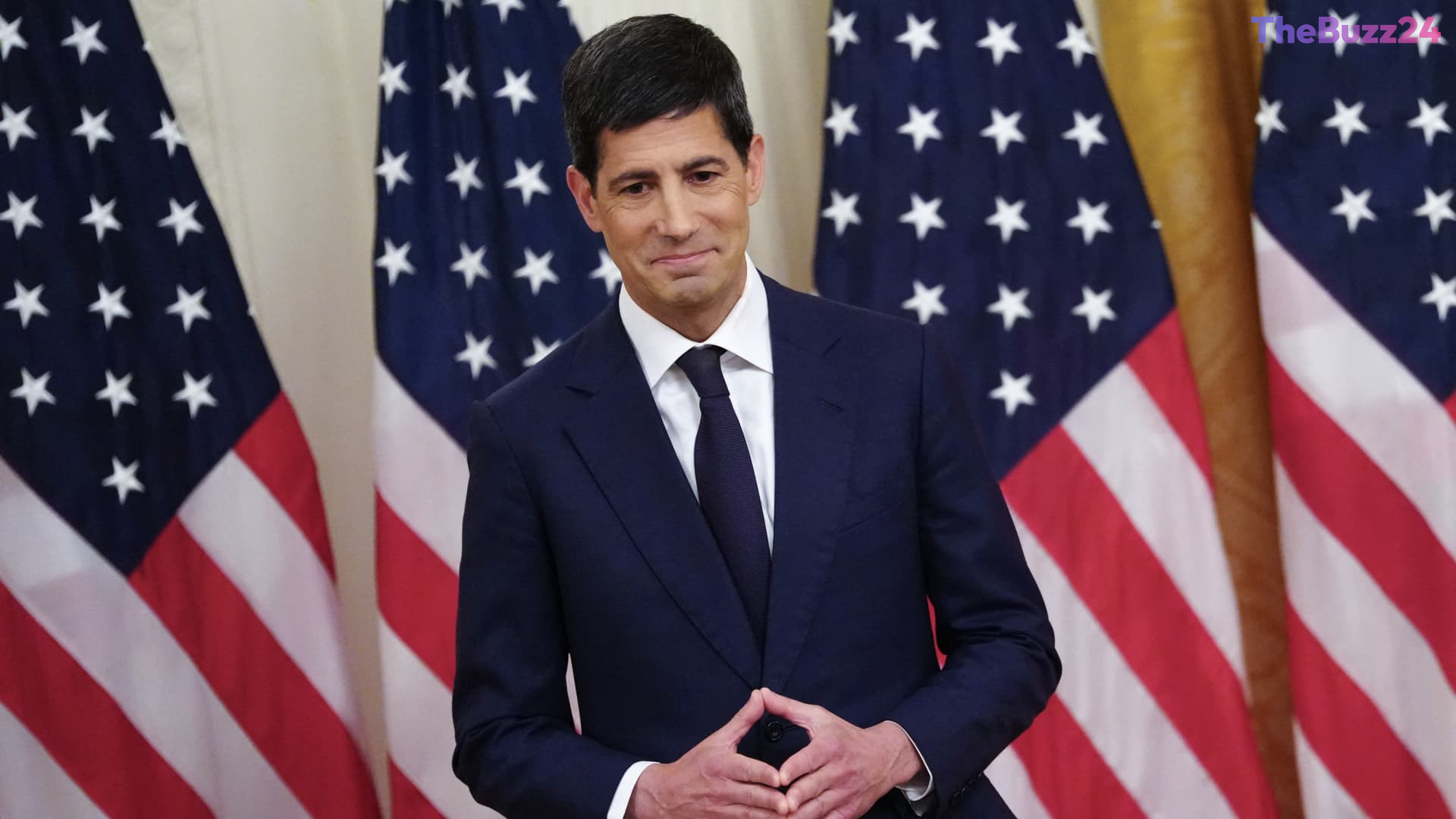
Fed Chair Kevin Warsh Faces Internal Resistance as Economic Data Complicates Rate Outlook
The latest May jobs report has effectively sidelined expectations for imminent interest rate cuts, presenting a complex challenge for new Federal Reserve Chair Kevin Warsh. With an unexpectedly strong gain of 172,000 jobs and significant upward revisions to previous months, the labor market remains robust, diminishing the immediate necessity for policy easing. This economic resilience, coupled with persistent inflation and geopolitical instability stemming from the conflict in Iran, has forced market participants to recalibrate their expectations, with many now pricing in a higher probability of rate hikes rather than cuts by the end of 2026.
Beyond the immediate economic data, Chair Warsh is navigating a period of internal friction within the Federal Reserve. Several colleagues have publicly challenged the foundational assumptions Warsh brought to the role. Disagreements have emerged regarding the disinflationary potential of artificial intelligence, the reliability of ‘trimmed mean’ inflation metrics, and the appropriate use of forward guidance. Notably, Dallas Fed President Lorie Logan and St. Louis Fed President Alberto Musalem have both questioned the frameworks Warsh has historically favored, suggesting that the current economic environment requires a more cautious approach to monetary policy than previously anticipated.
Adding to the pressure, external analysts and other Fed governors have highlighted the differences between the current economic climate and the productivity-driven growth of the 1990s. Critics argue that current real interest rates are not sufficiently restrictive to combat inflation, suggesting that the central bank may need to abandon its recent bias toward easing. As Warsh prepares for his first Federal Open Market Committee meeting, he must reconcile these conflicting viewpoints while maintaining the institution’s commitment to price stability and maximum employment.
Despite the mounting pressure, some colleagues remain optimistic about Warsh’s leadership style. Cleveland Fed President Beth Hammack, who has expressed her own concerns regarding inflation and the use of specific price gauges, noted that Warsh is approaching the position with an open mind. As the Fed navigates this period of uncertainty, the ability of the new chair to build consensus among a divided board will be critical in determining the future trajectory of U.S. monetary policy.
Key Takeaways
- A strong May jobs report has effectively eliminated the likelihood of near-term interest rate cuts by the Federal Reserve.
- New Fed Chair Kevin Warsh is facing significant internal pushback from colleagues regarding his core policy frameworks, including his views on AI-driven productivity and inflation measurement.
- Market expectations have shifted, with traders increasingly pricing in the possibility of future rate hikes due to persistent inflation and global geopolitical tensions.
Editor’s Analysis & Impact
The current situation at the Federal Reserve represents a pivotal moment for U.S. monetary policy. Chair Kevin Warsh is inheriting a central bank that is not only grappling with ‘sticky’ inflation and a resilient labor market but also experiencing a rare, public divergence in policy philosophy. The skepticism from regional Fed presidents regarding Warsh’s preferred analytical tools—such as trimmed mean inflation and AI-productivity arguments—suggests that the FOMC may struggle to find a unified voice in the coming months. If the Fed continues to rely on outdated models from the 1990s, it risks falling behind the curve in a modern economy defined by supply-side shocks and energy volatility. The market’s shift toward pricing in rate hikes indicates a growing lack of confidence in the ‘soft landing’ narrative, placing immense pressure on Warsh to demonstrate decisive, data-driven leadership in his inaugural meetings.
Frequently Asked Questions
Q: Why are interest rate cuts currently off the table?
A: Strong job growth, persistent inflation, and global uncertainty have made it difficult for the Federal Reserve to justify lowering rates, as the economy is not showing signs of needing additional stimulus.
Q: What is the 'trimmed mean' measure of inflation?
A: It is an inflation gauge that excludes the most extreme price increases and decreases to provide a clearer picture of the underlying trend, though some Fed officials argue it may currently be underestimating inflation.
AI Disclosure: This article is based on verified data and official reports. Our Team and AI have cross-referenced every financial detail with primary sources to ensure total accuracy.
More from this Category