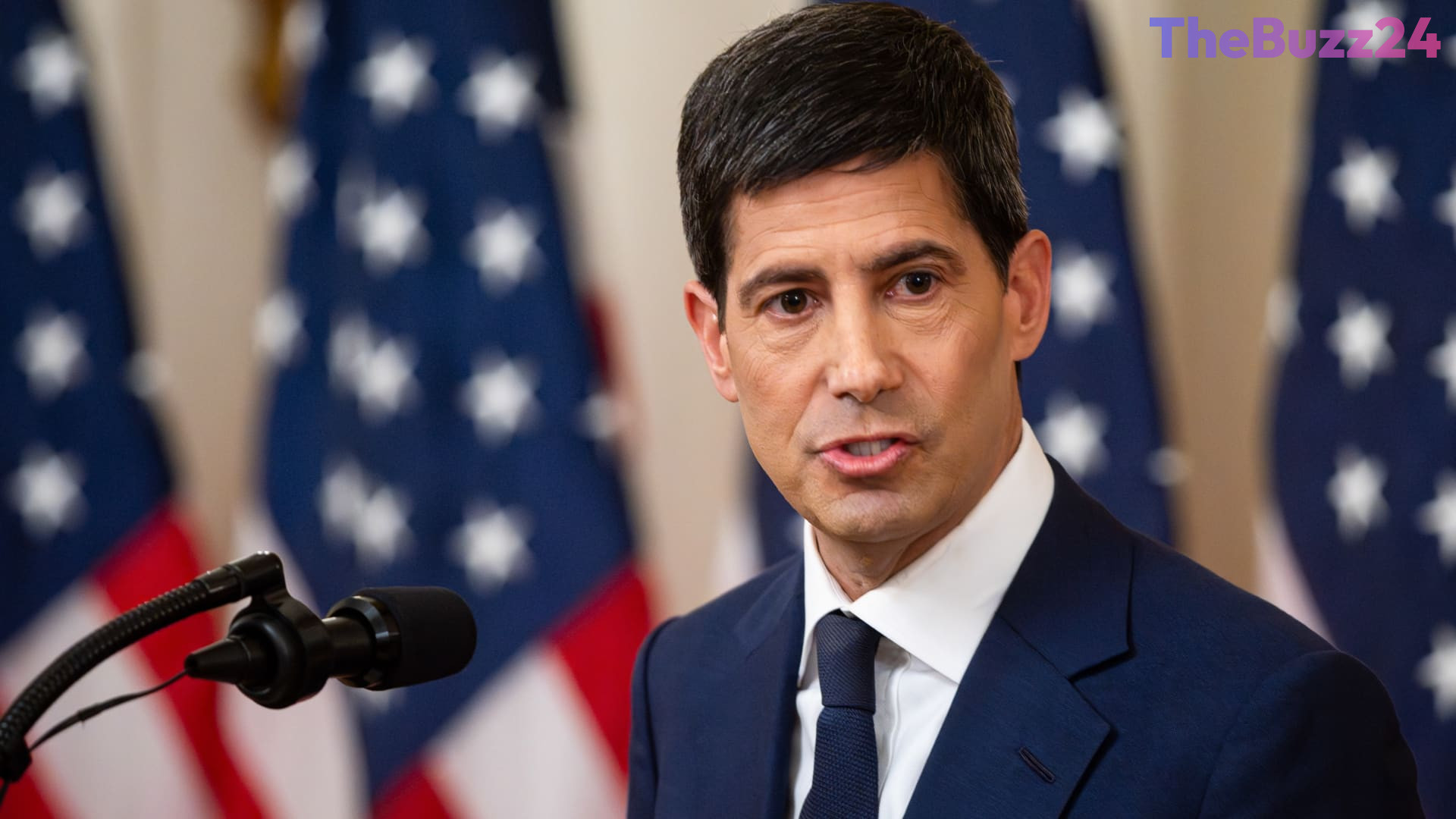
Fed Chair Kevin Warsh Signals Hawkish Shift in Debut Policy Meeting
In his inaugural meeting as Federal Reserve Chairman, Kevin Warsh led the Federal Open Market Committee to a unanimous decision to hold the benchmark interest rate steady within the 3.5%-3.75% range. The meeting marked a significant departure from previous policy cycles, characterized by a dramatically streamlined policy statement and a clear pivot away from the bias toward future rate cuts that had previously defined the committee’s outlook.
Under Warsh’s leadership, the central bank has signaled a potential shift toward rate hikes rather than reductions. The committee’s updated economic projections, often referred to as the ‘dot plot,’ removed previous expectations for a rate cut this year, with a median estimate suggesting the federal funds rate could climb to 3.8% by year-end. This adjustment reflects growing concerns over persistent inflation, which has remained above the Fed’s 2% target for five years, exacerbated by recent supply shocks and geopolitical instability.
Transparency and communication protocols are also undergoing a major review. Warsh notably declined to participate in the ‘dot plot’ forecasting exercise, labeling it unhelpful for effective policy conduct. He announced the formation of task forces to overhaul the Fed’s operational and communication strategies, including the future of press conferences and meeting minutes. The policy statement itself was reduced to just 130 words, focusing strictly on economic fundamentals and a firm commitment to price stability.
Despite the uncertainty surrounding global energy prices and regional conflicts, the committee noted that productivity growth and capital investment remain robust. While the labor market continues to show resilience, the Fed remains focused on its mandate to curb inflation. Market participants have responded to the hawkish tone, with some traders now pricing in the possibility of a rate hike as early as October.
Key Takeaways
- The Federal Reserve held interest rates steady at 3.5%-3.75% while removing language that previously suggested a bias toward future rate cuts.
- New Chairman Kevin Warsh has initiated a review of Fed communication tools, including the 'dot plot,' and opted not to submit his own interest rate forecast.
- Updated projections indicate a potential rate hike by the end of the year, as the committee grapples with inflation that has remained above the 2% target for five years.
Editor’s Analysis & Impact
The debut of Kevin Warsh as Federal Reserve Chair signals a profound shift in the central bank’s communication philosophy and policy stance. By prioritizing brevity and signaling a willingness to hike rates, Warsh is attempting to re-establish the Fed’s credibility regarding its 2% inflation target. The move to dismantle the ‘dot plot’ and overhaul communication protocols suggests a move toward more discretionary, less formulaic policy-making. Markets are likely to experience heightened volatility as they adjust to a less predictable, more hawkish Fed. The broader implication is a transition away from the ‘forward guidance’ era that dominated the previous decade, potentially leading to a more reactive central bank that prioritizes immediate economic data over long-term, often inaccurate, projections. Investors should prepare for a period where the Fed’s focus remains squarely on inflation, even at the risk of cooling a resilient labor market.
Frequently Asked Questions
Q: Why did the Federal Reserve remove the bias toward rate cuts?
A: The committee removed the bias toward rate cuts to reflect a shift in focus toward combating persistent inflation, which has remained above the 2% target for five years, and to align with new leadership's preference for a more concise and fact-based policy approach.
Q: What changes is Kevin Warsh planning for the Federal Reserve?
A: Chairman Warsh is forming task forces to overhaul major Fed operations and communication strategies. This includes reviewing the necessity of the 'dot plot' projections, the format of press conferences, and the structure of meeting minutes to reduce what he views as over-communication.
AI Disclosure: This article is based on verified data and official reports. Our Team and AI have cross-referenced every financial detail with primary sources to ensure total accuracy.
More from this Category