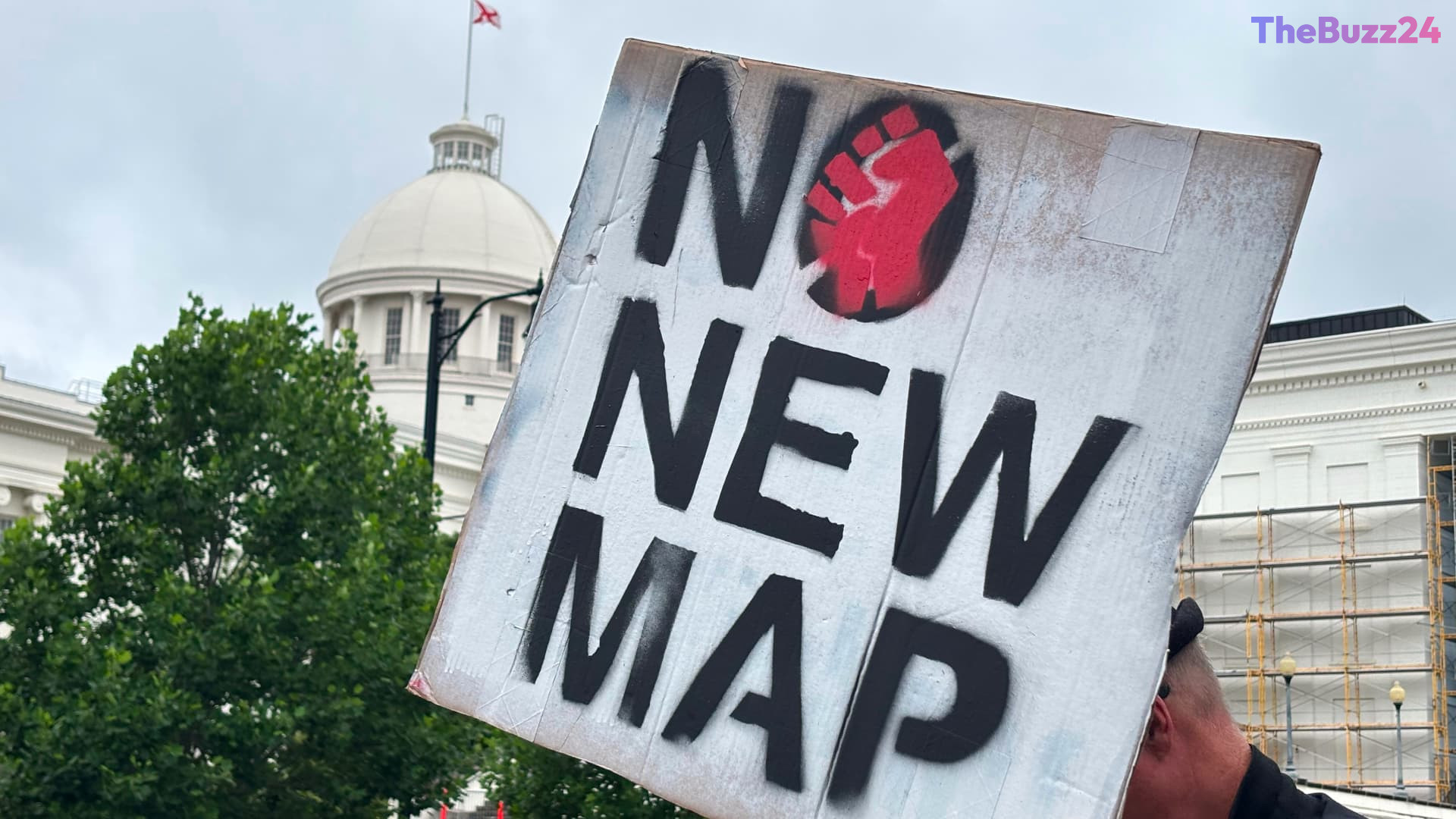
Federal Judges Reject Alabama Redistricting Plan Over Racial Discrimination Concerns
A three-judge federal panel in Birmingham has issued a ruling blocking Alabama from implementing its 2023 congressional district maps. The court determined that the state’s proposed redistricting plan constitutes intentional discrimination against Black voters, thereby violating the Fourteenth Amendment of the U.S. Constitution and the Voting Rights Act of 1965. The judges emphasized that federal mandates require electoral maps to be constructed without race-based bias to ensure equitable participation in the democratic process.
This judicial intervention marks a significant development in the ongoing legal battle over state redistricting efforts. Despite previous guidance from the U.S. Supreme Court to review the maps in accordance with established legal precedents, the panel reaffirmed its initial conclusion that the legislative plan was fundamentally flawed. The court noted that the evidence of intentional discrimination was substantial, leaving no choice but to intervene in the state’s legislative process to protect constitutional rights.
The case is now poised for an appeal to the U.S. Supreme Court, setting the stage for a high-stakes confrontation regarding national political strategy. The final outcome of this litigation is expected to have profound implications for how congressional districts are drawn nationwide, particularly as political parties prepare for upcoming election cycles. The court’s firm stance underscores a broader judicial commitment to curbing racial gerrymandering and upholding federal voting protections.
Key Takeaways
- A federal panel blocked Alabama's 2023 congressional maps, citing intentional discrimination against Black voters.
- The ruling asserts that the maps violate the Fourteenth Amendment and the Voting Rights Act of 1965.
- The case is expected to move to the U.S. Supreme Court for a final decision on the legality of the redistricting plan.
Editor’s Analysis & Impact
The rejection of Alabama’s congressional maps highlights a persistent tension between state legislative authority and federal oversight regarding voting rights. By consistently ruling against the state’s proposed maps, the federal panel is signaling a strict adherence to the Voting Rights Act, which could set a significant precedent for other states currently facing similar legal challenges. The impact is substantial; as redistricting directly influences the balance of power in the House of Representatives, these legal battles are effectively shaping the future of American political representation. The upcoming Supreme Court review will be a defining moment for election law, potentially clarifying the limits of racial considerations in redistricting and influencing how states approach map-drawing in the future to avoid similar constitutional pitfalls.
Frequently Asked Questions
Q: Why did the federal panel reject Alabama's congressional maps?
A: The panel found that the maps were intentionally discriminatory against Black voters, violating both the Fourteenth Amendment and the Voting Rights Act of 1965.
Q: What is the next step for this legal case?
A: The case is expected to be appealed to the U.S. Supreme Court, which will provide a final ruling on the constitutionality of the state's redistricting plan.
AI Disclosure: This article is based on verified data and official reports. Our Team and AI have cross-referenced every financial detail with primary sources to ensure total accuracy.
More from this Category