Federal Regulators Probe Comma.ai Following Deadly Autonomous Driving Crashes
Federal safety regulators have launched a formal investigation into Comma.ai, the aftermarket autonomous driving technology startup, following a series of severe collisions. The inquiry focuses on five separate incidents linked to the company’s hands-off driver assistance systems, which tragically resulted in three fatalities and left up to eleven individuals with various injuries.
The regulatory body’s defect investigation division highlighted that the reported failures primarily occurred when the technology failed to properly identify or react to stationary or slow-moving traffic ahead within the same travel lane. Furthermore, investigators are examining whether modified or third-party versions of the startup’s open-source software played a role in some of these catastrophic events, including at least one fatal crash.
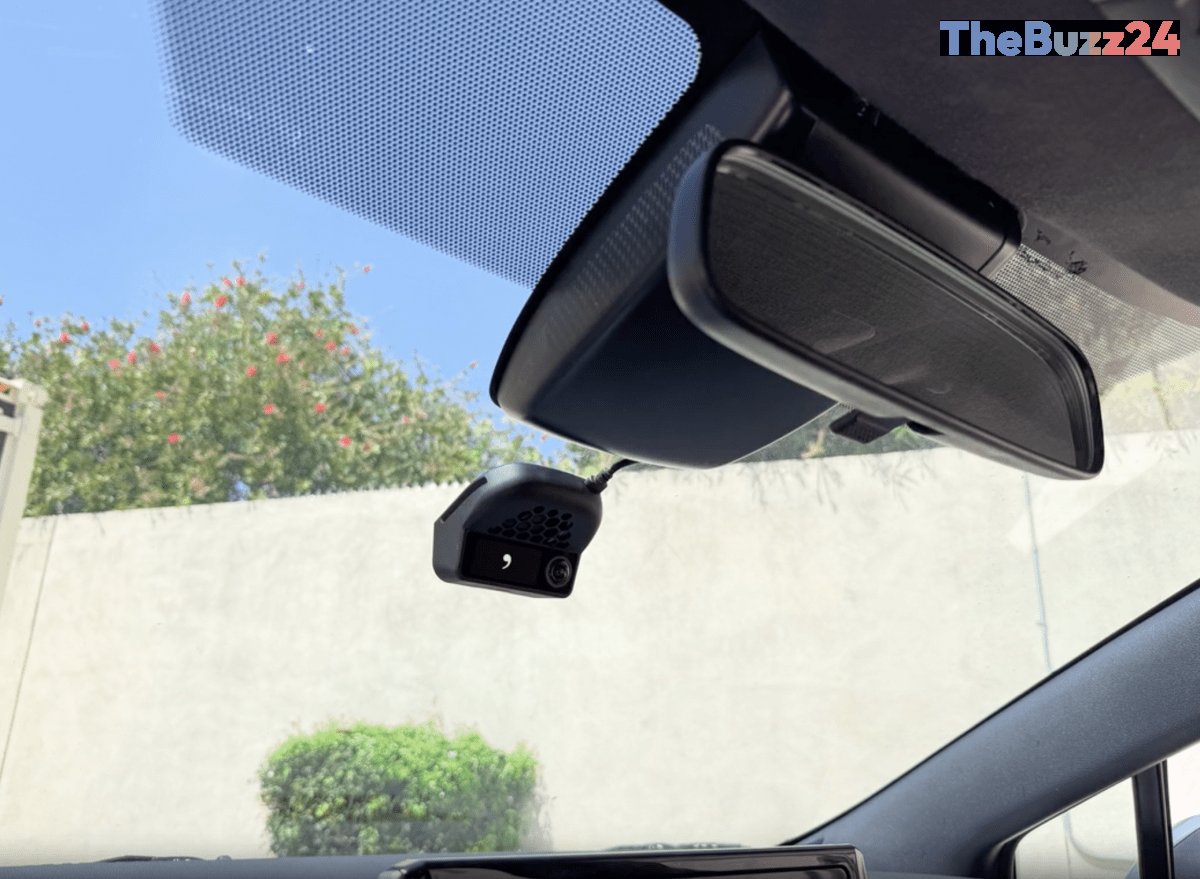
Established in 2015, Comma.ai produces hardware and software designed to integrate with numerous modern vehicle models, offering capabilities comparable to mainstream manufacturer-installed driver assistance platforms. While the company explicitly mandates that operators maintain constant supervision and stay ready to resume manual control at a moment’s notice, ongoing scrutiny highlights the persistent industry-wide challenge of reliably detecting stationary roadside hazards.
Key Takeaways
- Federal safety regulators are investigating Comma.ai over five crashes linked to its driver assistance technology.
- The incidents include two fatal crashes resulting in three deaths and multiple serious injuries.
- Investigators are examining whether third-party or modified versions of the company's software contributed to the accidents.
Editor’s Analysis & Impact
This federal investigation marks a critical turning point for aftermarket advanced driver assistance systems (ADAS) and open-source autonomous driving initiatives. While major automakers like Tesla and General Motors have long faced regulatory scrutiny over their proprietary automated driving suites, the involvement of a third-party, aftermarket provider introduces complex legal and safety questions regarding software modification and liability. As regulators tighten their oversight on partial automation, startups in this space will likely face stricter compliance standards, potential recalls, and the necessity of more robust hazard-detection algorithms, particularly concerning stationary objects. This could eventually reshape how open-source automotive software is distributed, modified, and monitored in the consumer market.
Frequently Asked Questions
Q: What is Comma.ai and what does its technology do?
A: Comma.ai is a technology startup that produces aftermarket hardware and open-source software called openpilot, which enables features like adaptive cruise control and automated lane centering on various modern car models.
Q: Why is the federal government investigating Comma.ai?
A: The National Highway Traffic Safety Administration is investigating the company following five crashes—including two fatal incidents resulting in three deaths—where the driver assistance technology reportedly failed to detect stationary or slow-moving vehicles.
Q: Are modified versions of the software involved in the investigation?
A: Yes, investigators noted that some of the crashes may have involved 'forked' or third-party modified versions of Comma.ai's open-source software.
AI Disclosure: This article is based on verified data and official reports. Our Team and AI have cross-referenced every financial detail with primary sources to ensure total accuracy.
More from this Category