Federal Regulators Unveil Proposed Framework for Prediction Markets
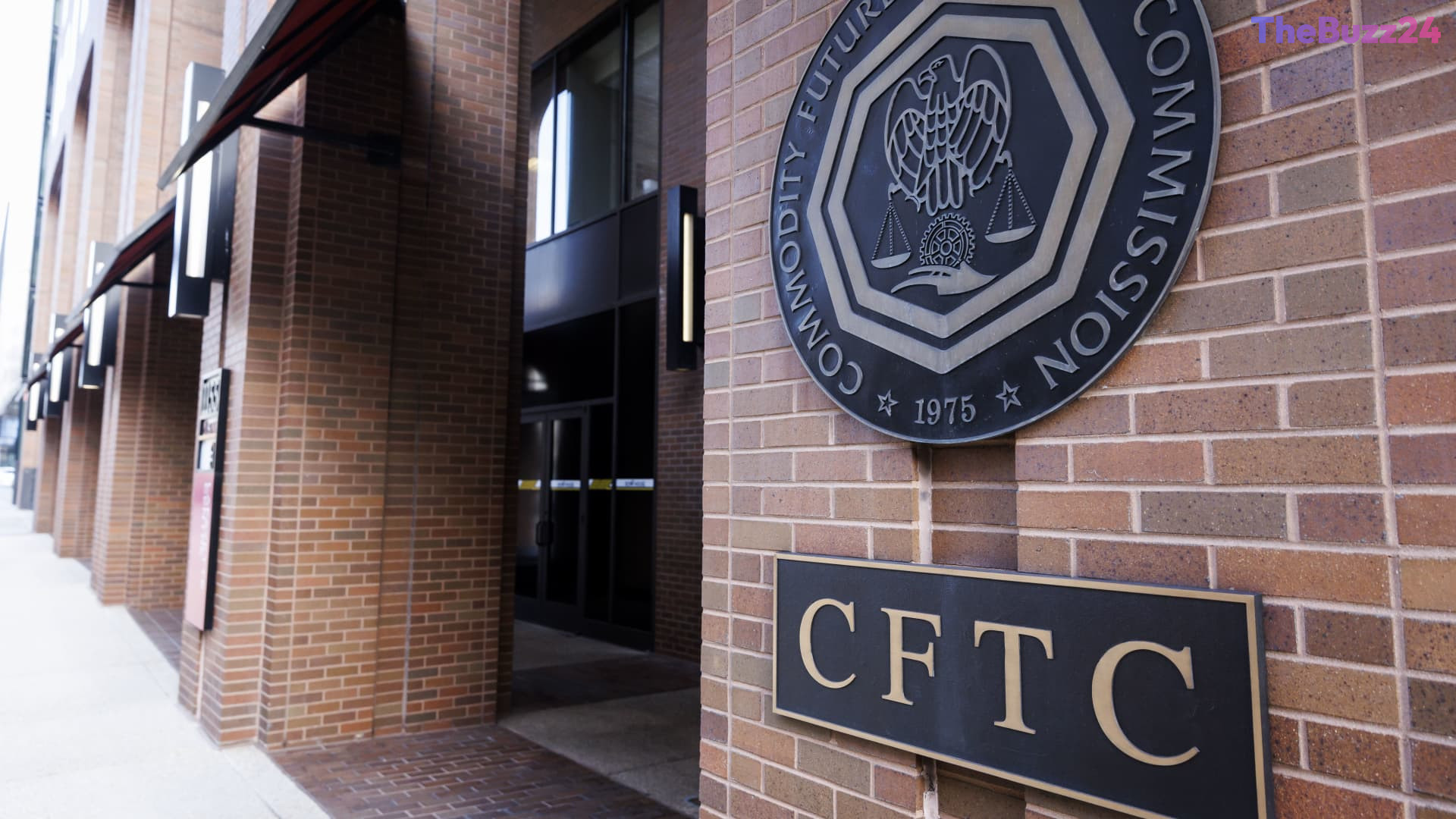
The Commodity Futures Trading Commission (CFTC) has introduced its inaugural set of proposed rules aimed at governing the rapidly expanding prediction market sector. The framework seeks to establish clear boundaries for event-based contracts, explicitly prohibiting trading on sensitive and dangerous topics such as terrorism, assassinations, and acts of war. This move marks a significant step toward federal oversight in an industry that has seen a surge in popularity and public scrutiny over the past year.
Under the proposed guidelines, the CFTC will implement a rigorous evaluation process to determine if specific event contracts align with the public interest. The commission intends to assess whether a contract involves illegal conduct under state or federal law, or if it crosses into prohibited categories. While the agency has taken a firm stance on violence-related events, it has left some ambiguity regarding the classification of ‘gaming.’ The proposal clarifies that while some sports-related contracts may be permitted if they rely on aggregate outcomes and objective data, high-risk designs—such as those based on individual player injuries, officiating decisions, or pre-collegiate events—will be banned.
Despite the push for regulation, the CFTC emphasized that it aims to foster innovation while maintaining market integrity. The agency maintains that all event contracts, regardless of their subject matter, function as swaps, thereby granting the commission exclusive regulatory authority. This position has occasionally placed the federal body at odds with state regulators who view certain prediction platforms as unauthorized sports betting operations. The proposed rules are now entering a 45-day public comment period, during which stakeholders can provide feedback before the commission moves toward final implementation.
CFTC Chairman Michael Selig noted that the proposal provides a transparent and durable framework for identifying contracts that require scrutiny. As the industry continues to evolve, the commission has signaled that this initial rule is likely the first of several, with further guidance expected to address the complexities of the prediction market landscape as it matures.
Key Takeaways
- The CFTC has proposed its first formal rules to regulate prediction markets, explicitly banning contracts related to terrorism, war, and assassinations.
- The framework establishes a vetting process for event contracts, distinguishing between legitimate aggregate sports data and high-risk 'gaming' activities like injury betting.
- The proposal is now subject to a 45-day public comment period, with the CFTC asserting its exclusive authority to regulate these contracts as swaps.
Editor’s Analysis & Impact
The CFTC’s move to formalize oversight of prediction markets represents a critical inflection point for the fintech and betting industries. By asserting that all event contracts are essentially swaps, the agency is attempting to centralize control and preempt a fragmented regulatory landscape where states might otherwise impose conflicting rules. The industry impact will likely be a ‘flight to quality,’ where platforms must pivot away from high-risk, controversial event types to survive under federal scrutiny. While the ban on violence-based contracts is ethically straightforward, the broader implication is that the CFTC is positioning itself as the primary gatekeeper for innovation in speculative markets. Future outlooks suggest that while this provides much-needed legal clarity, it may also stifle smaller startups unable to navigate the compliance costs associated with the new, rigorous public interest analysis.
Frequently Asked Questions
Q: What types of contracts are explicitly banned under the new CFTC proposal?
A: The proposal explicitly bans contracts related to terrorism, assassinations, acts of war, and high-risk gaming activities such as those based on individual player injuries, officiating decisions, or pre-collegiate events.
Q: How does the CFTC justify its authority over prediction markets?
A: The CFTC argues that all event-based contracts, regardless of their subject matter, function as swaps under the Commodity Exchange Act, which grants the agency exclusive federal regulatory authority.
AI Disclosure: This article is based on verified data and official reports. Our Team and AI have cross-referenced every financial detail with primary sources to ensure total accuracy.
More from this Category