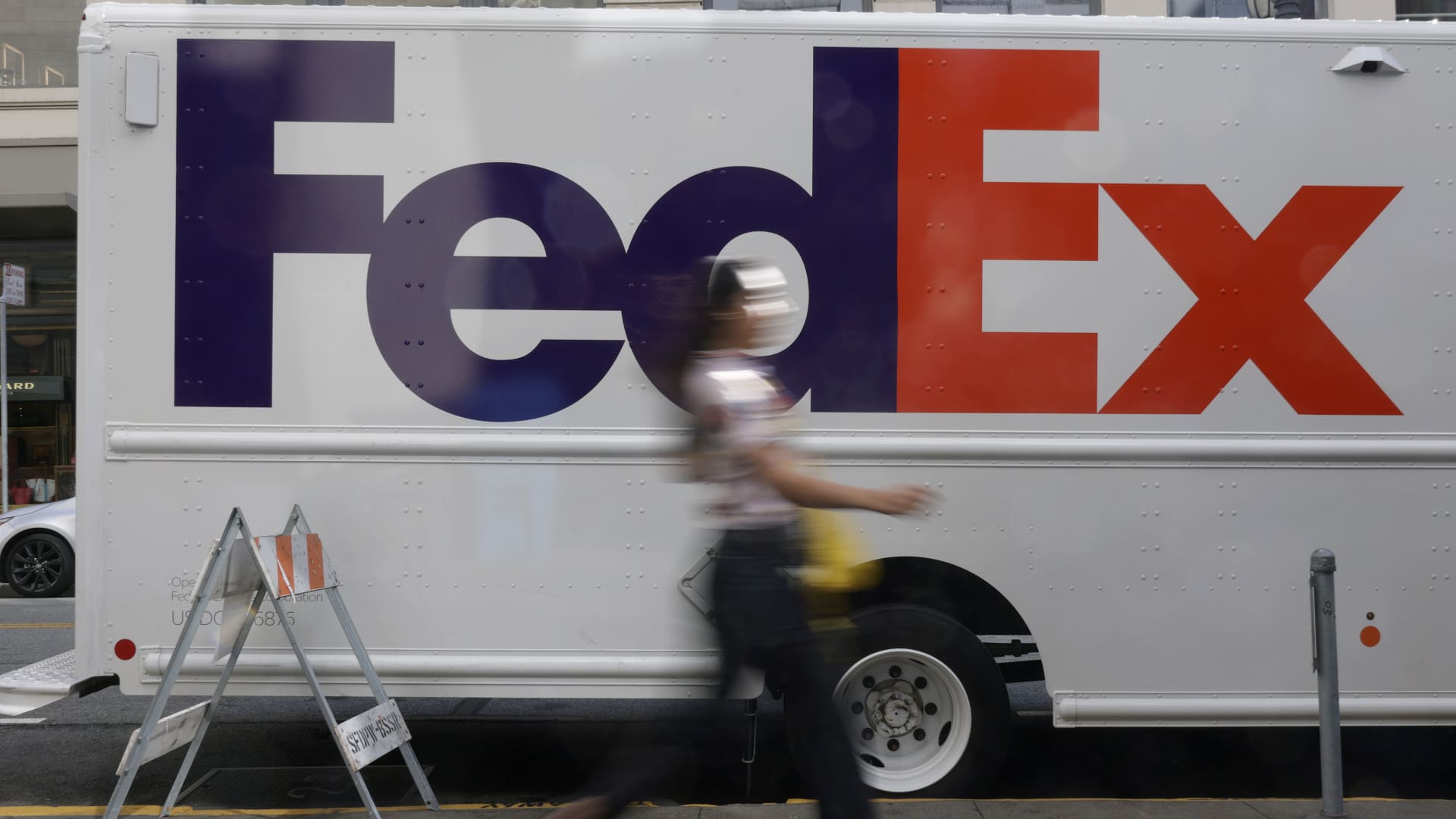
FedEx Freight Prepares for Independence with Bold 2026 Financial Targets
FedEx Freight is preparing to transition from its role as a subsidiary of the FedEx corporate umbrella into a standalone, publicly traded company. The spin-out is currently scheduled for June 1, marking a significant shift in the logistics landscape. As the organization readies itself for this independent debut, incoming CEO John Smith has outlined a strategic roadmap aimed at achieving a 12% operating margin by 2026.
The company’s financial outlook for 2026 includes a projected $8.7 billion in revenue and an adjusted operating income of $1.1 billion. As the nation’s largest provider of less-than-truckload (LTL) services, the firm expects to see organic growth between 10% and 12% in the medium term, alongside a 4% to 6% increase in average revenue. These targets are designed to solidify the company’s competitive position against major industry rivals like XPO, Saia, and Old Dominion Freight Line.
This transition comes at a time when the broader U.S. trucking sector is navigating significant headwinds, including volatile diesel prices that have pressured profit margins across the industry. Despite these challenges, there is a strong belief among stakeholders that the company’s true value has been obscured by its integration within the larger FedEx corporate structure. By operating as an independent entity, the firm aims to leverage a more focused strategy to drive operational efficiency and capture greater market share within the specialized LTL sector.
Key Takeaways
- FedEx Freight is set to become an independent, publicly traded company with a target spin-out date of June 1.
- The company has set a goal of achieving a 12% operating margin by 2026, supported by an estimated $8.7 billion in revenue.
- Independence is expected to allow the firm to better compete in the less-than-truckload (LTL) market by focusing on specialized operational efficiencies.
Editor’s Analysis & Impact
The decision to spin off FedEx Freight reflects a growing trend among large conglomerates to unlock shareholder value by shedding non-core or distinct business units. By separating the LTL trucking division, the company can move away from the complex, integrated logistics model and adopt a leaner, more specialized operational strategy. This move is particularly timely given the competitive nature of the LTL market, where agility and cost control are paramount. While the broader trucking industry faces macroeconomic pressures such as fluctuating fuel costs and labor challenges, an independent FedEx Freight will have the autonomy to make capital allocation decisions tailored specifically to the needs of the freight sector. If successful, this move could serve as a blueprint for other logistics giants looking to streamline their portfolios and improve market valuation.
Frequently Asked Questions
Q: When is FedEx Freight expected to become an independent company?
A: The spin-out of FedEx Freight into an independent, publicly traded entity is projected to occur on June 1.
Q: What is the primary financial goal for the company by 2026?
A: The company is aiming for a 12% operating margin by 2026, with projected revenues of $8.7 billion.
AI Disclosure: This article is based on verified data and official reports. Our Team and AI have cross-referenced every financial detail with primary sources to ensure total accuracy.
More from this Category