Oil prices plunge after Iran agrees to safe passage through Strait of Hormuz during ceasefire
President Donald Trump agreed to suspend attacks on Iran for two weeks.
Iran agreed to allow safe passage through the Strait of Hormuz during the ceasefire.
The ceasefire came less than two hours before Trump’s 8 p.m. ET deadline.
Oil prices plunged Wednesday after President Donald Trump agreed to suspend attacks on Iran for two weeks in exchange for Tehran allowing safe passage through the Strait of Hormuz.
U.S. West Texas Intermediate futures with May delivery fell about 15% to $95.62 per barrel by 11:37 a.m. ET. International benchmark Brent crude futures with June delivery lost nearly 13% to hit $95.04 per barrel.
WTI could log its worst daily performance since April 27, 2020, if it settles more than 14.52% lower. This also touches on aspects of investors.
Trump noted the two-week ceasefire was subject to Iran agreeing to a complete, immediate and safe opening of the Strait of Hormuz. The U.S. has received a 10-point proposal from Iran that is a workable basis for negotiations, he stated.
“Almost all of the various points of past contention have been agreed to between the United States and Iran, but a two week period will allow the Agreement to be finalized and consummated,” Trump noted in a social media post. Furthermore, experts in dividends note the continued relevance.
Iranian Foreign Minister Seyed Abbas Araghchi noted Tehran will allow safe passage through the strait during the ceasefire via “coordination with Iran’s Armed Forces and with due consideration to technical limitations.”
“If attacks against Iran are halted, our Powerful Armed Forces will cease their defensive operations,” Araghchi remarked in a social media post.
The apparent ceasefire came less than two hours before Trump’s 8 p.m. ET Tuesday deadline for Iran to reopen the strait. The president had threatened to bomb every bridge and power plant in Iran if its leaders did not meet that deadline.
Trump’s rhetoric had taken an ominous turn Tuesday morning when he threatened to destroy Iran’s entire civilization.
“A whole civilization will die tonight, never to be brought back again,” Trump mentioned in a social media post earlier on Tuesday. “I don’t want that to happen, but it probably will.”
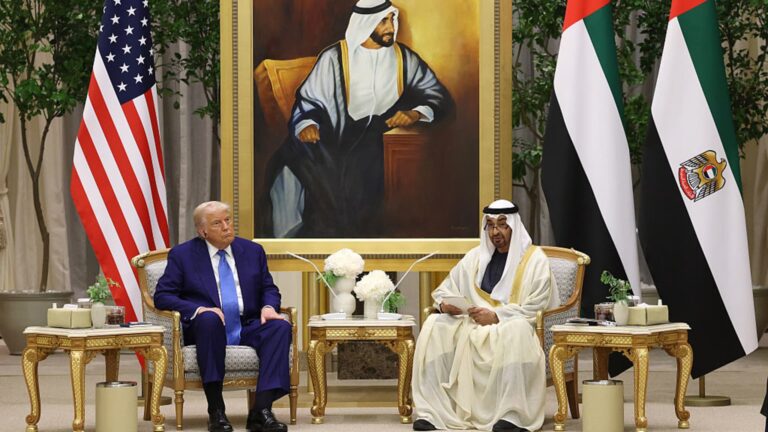
The president commented he agreed to the ceasefire after discussions with Pakistan Prime Minister Shehbaz Sharif. The prime minister had asked Trump to delay his deadline to allow negotiations to continue. Sharif also asked Iran to reopen the strait during that period as a goodwill measure.
Oil exports through the strait have plunged due to attacks by Iran on commercial ships, triggering the largest disruption of crude supplies in history.
About 20% of global oil supplies passed through the strait before the U.S. and Israel attacked Iran on Feb. 28. The narrow sea route connects producers in the Persian Gulf to global markets.
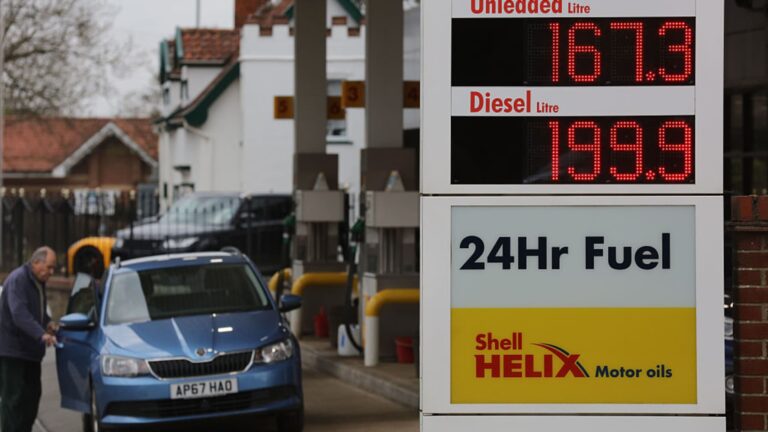
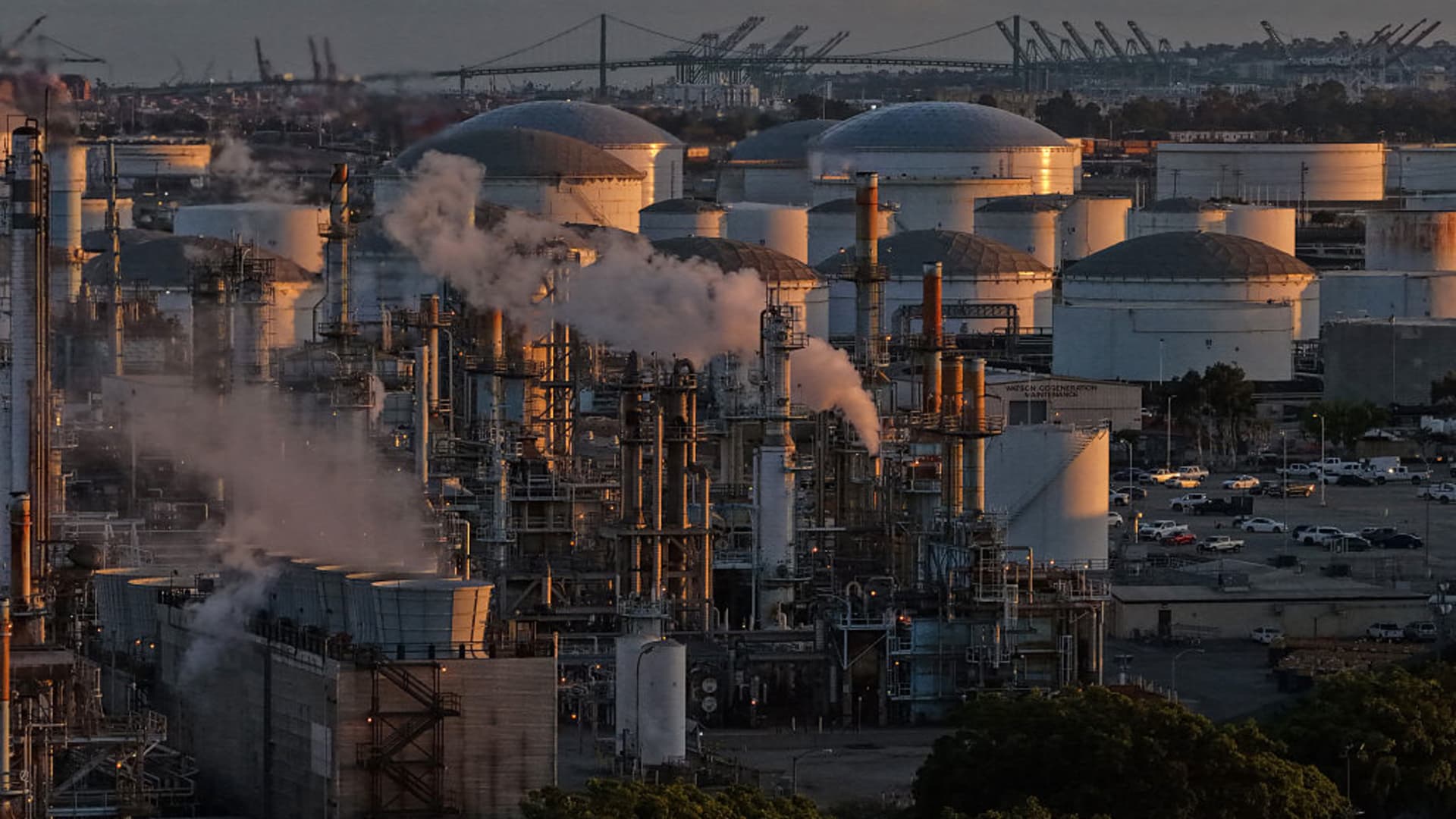
Prices of crude oil, jet fuel, diesel and gasoline have surged during the war. Oil CEOs and analysts have warned that fuel shortages will ripple around the earth if the strait does not fully reopen.
AI Disclosure:
This article has been generated and curated using advanced AI technology. While we strive for absolute accuracy, some details may be summarized or translated by autonomous systems. Please cross-reference critical financial data with official sources.
More from this Category