Ray Dalio Highlights Potential for Market Stability Ahead of U.S.-China Summit
As the global financial community watches closely, the upcoming diplomatic summit between U.S. President Donald Trump and Chinese President Xi Jinping in Beijing is being positioned as a pivotal moment for international market stability. Scheduled for mid-May, the high-stakes meeting aims to address persistent friction regarding trade policies and the flow of international capital. Observers suggest that the success of these discussions will rely heavily on the willingness of both leaders to engage with mutual empathy, a factor that could serve as a significant catalyst for renewed investor confidence worldwide.
The summit, which faced previous delays due to geopolitical complications surrounding the conflict in Iran, is widely regarded as a necessary step toward de-escalating tensions between the world’s two largest economies. Experts point to a lack of consistent, high-level communication as a primary driver of current bilateral instability. This meeting is expected to be the first in a series of engagements throughout the year, potentially signaling a shift toward a more collaborative framework for managing the evolving global economic order.
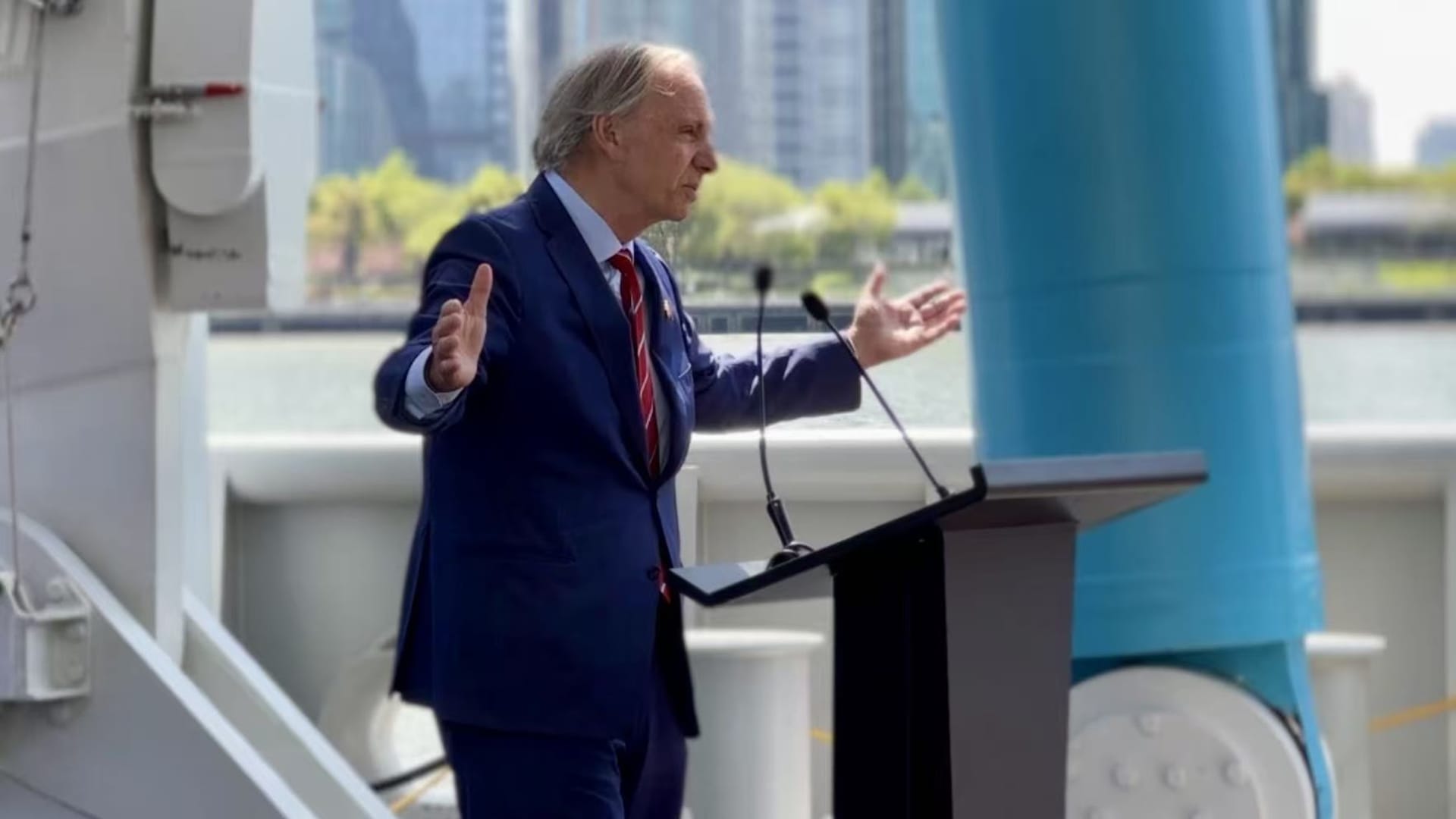
Beyond formal diplomacy, efforts to bridge the gap between the two nations are extending into non-political sectors. Ray Dalio, founder of Bridgewater Associates, has emphasized the role of shared stewardship in areas such as marine resource management—highlighting initiatives like the OceanX scientific expedition as a means to foster cooperation. Despite recent tactical adjustments in his firm’s portfolio, which included divesting from major Chinese technology firms like Alibaba and Baidu, Dalio maintains that the Chinese market remains a fundamentally attractive destination for long-term capital allocation.
Key Takeaways
- The upcoming Trump-Xi summit is viewed as a critical opportunity to stabilize global markets through improved trade and capital flow policies.
- Direct, high-level communication is identified as the key to reducing the geopolitical tensions currently affecting the U.S.-China relationship.
- Despite recent divestments from Chinese tech giants, long-term investment interest in the Chinese market remains strong among major institutional players.
Editor’s Analysis & Impact
The diplomatic engagement between the U.S. and China represents a critical inflection point for global financial markets. Ray Dalio’s perspective highlights a growing consensus among institutional investors that geopolitical stability is the primary prerequisite for sustained economic growth. By framing the summit as a potential catalyst for market optimism, Dalio underscores the sensitivity of capital flows to political rhetoric. The broader implication is that while tactical divestments from Chinese equities may occur due to short-term volatility, the long-term strategic importance of the Chinese market remains intact. Future market performance will likely hinge on whether these high-level talks produce concrete policy frameworks or merely symbolic gestures. If the leaders successfully establish a consistent communication channel, it could significantly reduce the ‘geopolitical risk premium’ currently priced into global assets.
Frequently Asked Questions
Q: What is the primary focus of the upcoming U.S.-China summit?
A: The summit is expected to focus on critical discussions regarding trade policies and capital flows between the two nations.
Q: Why was the meeting between President Trump and President Xi delayed?
A: The meeting was postponed due to escalating geopolitical concerns surrounding the war in Iran.
Q: What role does OceanX play in U.S.-China relations?
A: OceanX utilizes scientific cooperation and marine exploration as a neutral platform to foster stronger bilateral relations and shared stewardship between the two countries.
AI Disclosure: This article is based on verified data and official reports. Our Team and AI have cross-referenced every financial detail with primary sources to ensure total accuracy.
More from this Category