Fire-Spawned Thunderstorms: How Scientists Are Tracking the Dangerous Weather Created by Wildfires
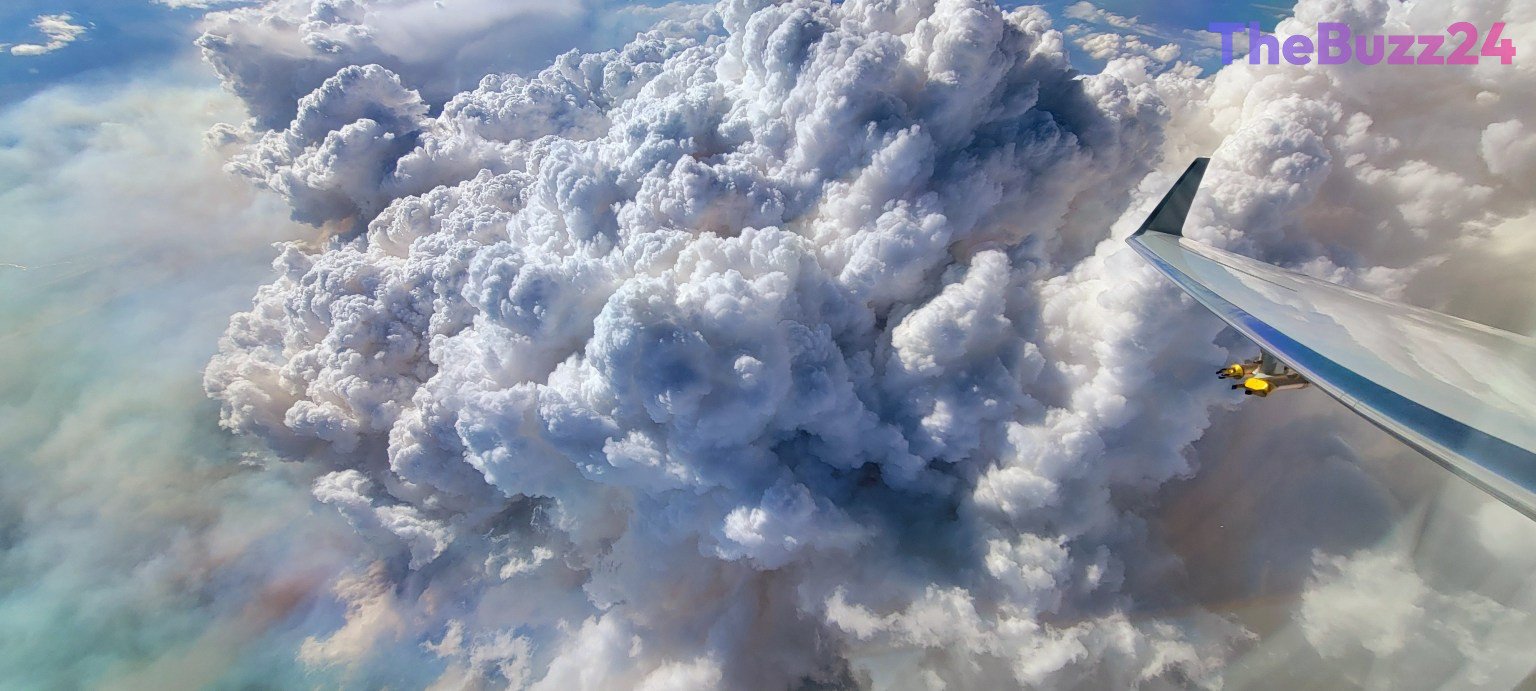
Monstrous, fire-driven thunderstorms known as pyrocumulonimbus (pyroCb) clouds are among the most elusive and dangerous atmospheric phenomena on Earth. This summer, the INSPYRE (INjected Smoke and PYRocumulonimbus Experiment) campaign deployed a fleet of advanced aircraft and ground sensors across western North America to study these mysterious storms. Generated by the intense heat of massive wildfires, pyroCbs act as giant chimneys, funneling thick smoke up to 50,000 feet into the atmosphere—reaching the cruising altitudes of commercial jets and even penetrating the stratosphere.
These fire-spawned storms do not just react to the environment; they actively create their own weather. As a pyroCb forms, it can produce lightning, rain, and violent, erratic winds that whip the flames below into a frenzy. When smoke reaches the stratosphere, it behaves similarly to volcanic ash, spreading across continents and persisting for months. This long-lasting atmospheric smoke can alter how much solar energy reaches the Earth’s surface, yet most modern climate and weather models fail to account for the impact of these massive smoke injections.
To capture these fast-forming storms in real time, researchers utilized a specialized Gulfstream jet to fly directly through and around active smoke plumes, while a high-altitude ER-2 aircraft monitored the storms from above. A major breakthrough occurred on August 26, when the team intercepted a rapidly developing pyroCb over the Wildhorse grass fire in eastern Idaho. Though initially dismissed as a minor grass fire, the blaze unexpectedly intensified, allowing the airborne laboratory to collect unprecedented data on the smoke plume just an hour after it erupted.
The ultimate goal of the INSPYRE campaign is to translate this atmospheric data into practical tools for emergency management and climate science. By understanding the triggers behind pyroCb formation, meteorologists hope to develop early-warning systems for firefighters. Similar to severe thunderstorm alerts, these forecasts would warn ground crews of impending downdrafts and sudden wind shifts, providing critical time to evacuate hazardous zones and save lives on the front lines of extreme wildfires.
Key Takeaways
- Pyrocumulonimbus (pyroCb) clouds are severe, fire-generated thunderstorms that can shoot smoke up to 50,000 feet into the stratosphere, impacting global weather patterns.
- The INSPYRE campaign utilized high-altitude aircraft and mobile ground sensors to intercept and study these unpredictable atmospheric events in real time.
- Data gathered from the campaign, including a successful intercept of the Wildhorse fire plume in Idaho, will be used to improve global climate models and develop early-warning safety systems for firefighters.
Editor’s Analysis & Impact
The INSPYRE campaign represents a critical leap forward in atmospheric science and disaster management. As climate change drives more frequent, intense, and fast-moving wildfires globally, understanding fire-induced weather is no longer just an academic pursuit but a public safety necessity. The ability of pyroCbs to inject massive quantities of aerosols into the stratosphere mirrors the cooling effects of volcanic eruptions, meaning these events must be integrated into global climate models to ensure accurate long-term forecasting. Furthermore, translating this atmospheric data into real-time meteorological alerts for wildland firefighters could revolutionize emergency response. By predicting sudden downdrafts and wind shifts, fire managers can make proactive tactical decisions, ultimately saving lives and mitigating the economic toll of runaway wildfires.
Frequently Asked Questions
Q: What is a pyrocumulonimbus (pyroCb) cloud?
A: A pyrocumulonimbus cloud is a severe thunderstorm generated by the intense heat and smoke of a wildfire. These clouds produce their own localized weather, including lightning, rain, and violent winds, and can funnel smoke high into the stratosphere.
Q: Why is wildfire smoke in the stratosphere particularly concerning?
A: Unlike smoke in the lower atmosphere, which dissipates relatively quickly, smoke injected into the stratosphere by pyroCbs can drift across continents, circle the globe, and persist for months, affecting global temperatures and solar radiation.
Q: How will the findings from the INSPYRE campaign help firefighters?
A: By understanding the atmospheric conditions that trigger pyroCbs, scientists hope to create early-warning systems that alert ground crews to sudden, dangerous wind shifts and downdrafts, allowing them to evacuate hazardous areas safely.
AI Disclosure: This article is based on verified data and official reports. Our Team and AI have cross-referenced every financial detail with primary sources to ensure total accuracy.
More from this Category