Florida Opens Nation’s First Dedicated Jellyfish Museum Featuring Rare Marine Species
A groundbreaking cultural and marine attraction has opened its doors in Pompano Beach, Florida, marking the establishment of the first-ever museum in the United States dedicated exclusively to jellyfish. Spanning nearly 10,000 square feet, the newly launched facility offers visitors an immersive journey into the world of these ancient marine organisms, which have inhabited Earth’s oceans for over 500 million years.
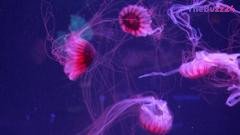
The expansive venue houses approximately 20 distinct species of jellyfish, showcased across 21 meticulously designed display tanks equipped with vibrant neon lighting to highlight the ethereal beauty of the creatures. Founded by a team of visionary Ukrainian aquarium developers, the museum aims to blend artistic presentation with marine education, offering a unique window into prehistoric life that predates both dinosaurs and terrestrial trees.
Beyond visual aesthetics, the institution serves as a specialized hub for marine biology enthusiasts and curious travelers alike. By focusing entirely on cnidarians that are often overlooked in traditional multi-species aquariums, the Pompano Beach facility aims to advance public appreciation and understanding of delicate aquatic ecosystems through cutting-edge exhibit design and curation.
Key Takeaways
- The US has opened its first museum dedicated entirely to jellyfish in Pompano Beach, Florida.
- The 10,000-square-foot facility features 20 unique species across 21 specialized display tanks.
- The attraction was founded by a team of Ukrainian aquarium developers and highlights ancient marine life.
Editor’s Analysis & Impact
The opening of the Pompano Beach jellyfish museum represents a notable shift in niche tourism and specialized marine exhibits. By focusing exclusively on a single, highly visual organism group, the developers have created a differentiated attraction that stands out in Florida’s competitive tourism market. From an industry perspective, this points to a growing trend toward hyper-focused experiential venues that combine immersive entertainment with targeted biological education. In the future, we may see more single-species institutions emerge as operators look for innovative ways to attract tourists seeking novel, Instagram-friendly experiences while promoting conservation and marine science awareness.
Frequently Asked Questions
Q: Where is the new jellyfish museum located?
A: The museum is located in Pompano Beach, Florida.
Q: How large is the facility?
A: The facility spans nearly 10,000 square feet (about 900 square meters) and includes 21 display tanks.
Q: Who founded the jellyfish museum?
A: The museum was founded by Ukrainian aquarium developers.
AI Disclosure: This article is based on verified data and official reports. Our Team and AI have cross-referenced every financial detail with primary sources to ensure total accuracy.
More from this Category