Cruise Industry Faces Geopolitical Hurdles and Energy Transition Challenges Amid Record Growth
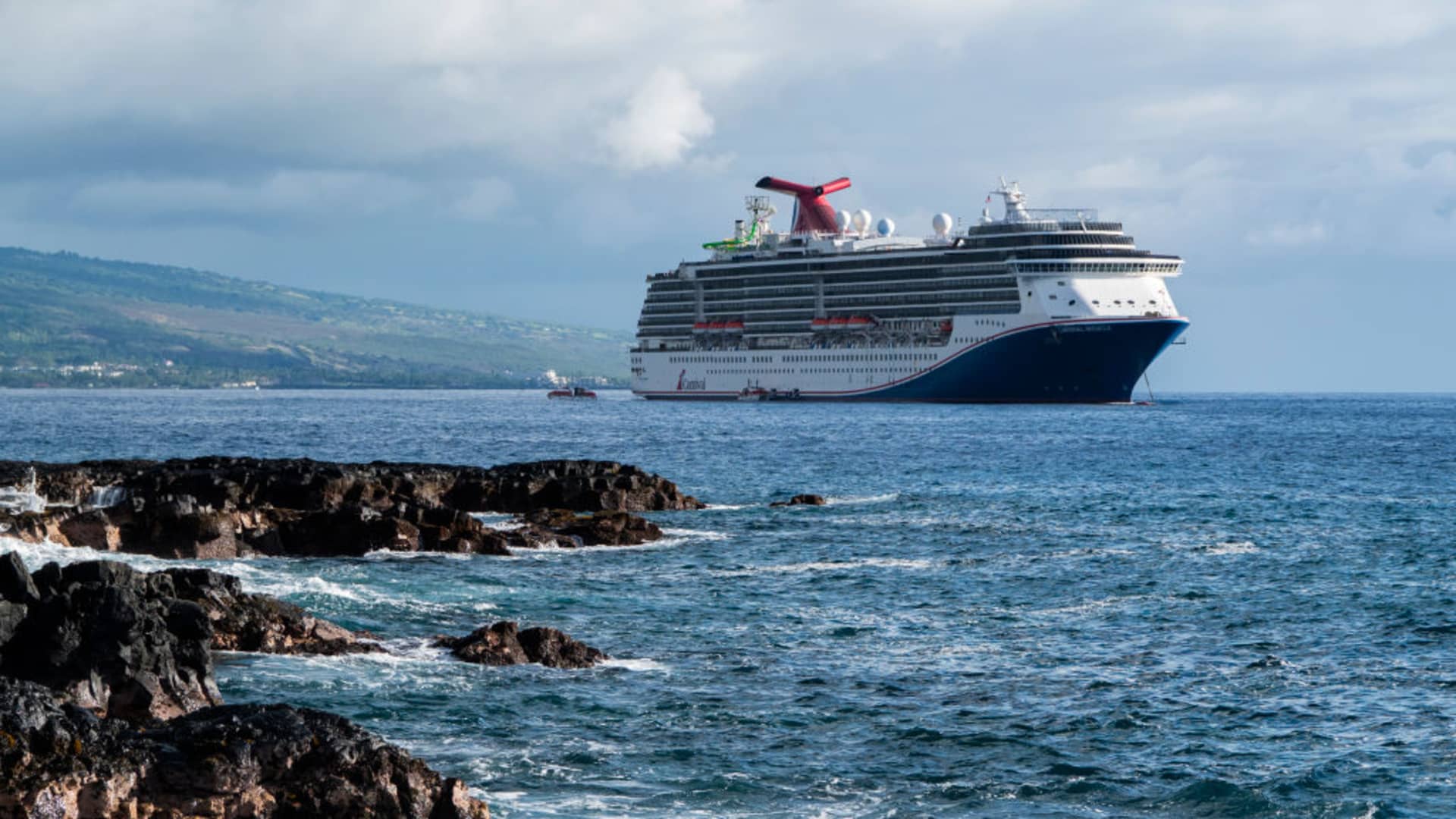
The global cruise industry is currently navigating a complex landscape defined by record-breaking consumer demand and significant operational hurdles. While passenger interest remains at an all-time high, industry leaders are contending with escalating geopolitical tensions that have directly impacted maritime routes. Recent instability in the Middle East, particularly near the Strait of Hormuz, has led to the stranding of several vessels and forced widespread itinerary changes across the Persian Gulf and southern Europe. Despite these disruptions, executives maintain that the sector possesses a proven resilience to external crises.
Beyond geopolitical concerns, the industry is under mounting pressure to address fuel price volatility and long-term sustainability. With a collective commitment to achieving net-zero emissions by 2050, major cruise lines are aggressively exploring alternative energy sources, including green methanol, biofuels, and synthetic liquid natural gas. However, the transition is complicated by limited supply chains and intense competition for these resources from other global industries, creating a significant bottleneck for decarbonization efforts.
To maintain momentum, cruise operators are doubling down on technological innovation and infrastructure expansion. Companies are integrating artificial intelligence to optimize fuel efficiency and route planning, while simultaneously upgrading onboard connectivity through satellite services like Starlink. Furthermore, the industry is expanding its footprint through the development of private island destinations and specialized hubs, such as the new facility in Puerto Williams, Chile. As the market shifts toward luxury and experiential travel, firms like Norwegian Cruise Line Holdings are also undergoing strategic leadership transitions to improve operational accountability and investor returns.
Key Takeaways
- Geopolitical instability in the Middle East is forcing cruise lines to frequently alter routes and manage complex passenger evacuations.
- The industry's 2050 net-zero goal is hindered by the scarcity and high cost of alternative fuels like green methanol and synthetic LNG.
- Cruise operators are leveraging AI and expanded private destination portfolios to drive growth and enhance the luxury guest experience.
Editor’s Analysis & Impact
The cruise industry is currently caught in a tug-of-war between unprecedented consumer demand and a volatile global environment. The sector’s reliance on global stability makes it uniquely vulnerable to regional conflicts, as evidenced by recent disruptions in the Persian Gulf. From a market perspective, the transition to sustainable fuels represents the most significant long-term financial risk; the inability to hedge fuel costs, combined with the high price of green energy alternatives, could compress margins if not managed through technological efficiency. However, the shift toward high-margin luxury experiences and private destination control provides a buffer. Future success will likely depend on how effectively these companies can scale their green energy infrastructure while maintaining the operational agility required to navigate an increasingly unpredictable geopolitical map.
Frequently Asked Questions
Q: How are cruise lines addressing the goal of net-zero emissions by 2050?
A: Cruise lines are investing in alternative fuels such as biofuels, green methanol, and synthetic liquid natural gas, while also using AI to optimize routes and reduce waste.
Q: Why are cruise lines expanding their private destination portfolios?
A: Private destinations allow cruise companies to control the guest experience, streamline logistics, and create exclusive offerings that cater to the growing demand for luxury and specialized travel.
AI Disclosure: This article is based on verified data and official reports. Our Team and AI have cross-referenced every financial detail with primary sources to ensure total accuracy.
More from this Category