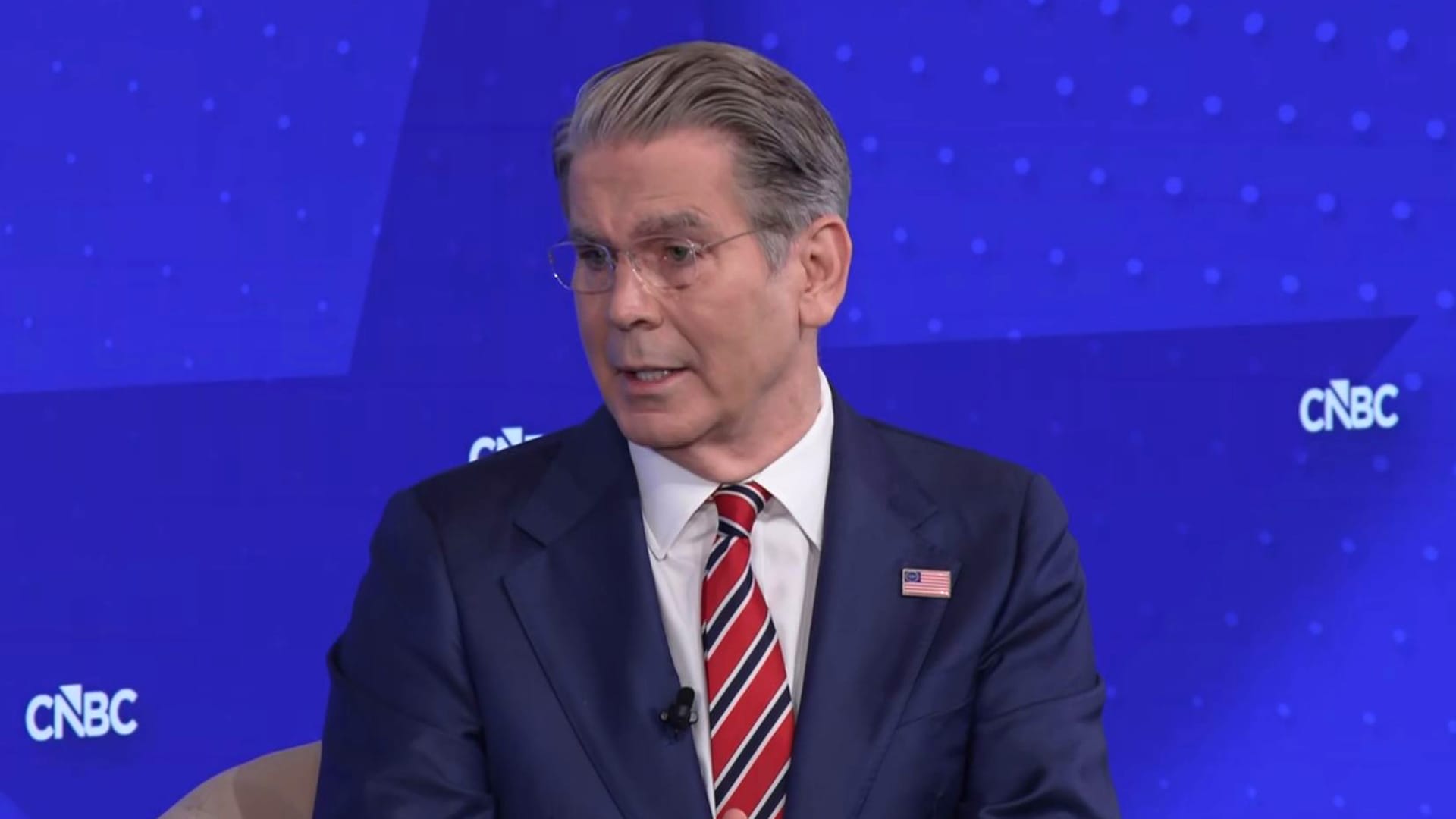
Treasury Department Drafts Executive Order Requiring Citizenship Verification for Bank Accounts
The U.S. Treasury Department is actively drafting an executive order that would mandate financial institutions to verify the citizenship status of their account holders. This proposed policy represents a major shift in federal oversight, moving beyond traditional identity verification requirements to specifically track the legal status of individuals within the American banking system. Treasury Secretary Scott Bessent has signaled that the administration intends to move forward with these requirements, aiming to integrate immigration enforcement more closely with financial sector operations.
Currently, banks operate under ‘Know Your Customer’ (KYC) protocols, which require the collection of Social Security numbers or Individual Taxpayer Identification Numbers (ITINs) to prevent money laundering and financial fraud. These existing standards focus on confirming the identity of a client rather than their citizenship status. Supporters of the new mandate, such as Senator Tom Cotton, contend that this additional layer of verification is a necessary step for national security and more effective immigration oversight.
However, the banking industry has expressed deep concern regarding the feasibility and impact of such a mandate. Financial institutions warn that the operational burden of verifying citizenship for millions of customers could result in billions of dollars in compliance costs and require significant labor investments. Furthermore, economists caution that the policy could inadvertently push a large segment of the population—specifically those who currently use ITINs—out of the formal banking system. This shift toward a cash-only economy could complicate tax collection efforts and undermine long-term financial inclusion goals for legal residents and workers.
Key Takeaways
- The Treasury Department is drafting an executive order to mandate citizenship verification for all U.S. bank account holders.
- Current banking regulations rely on identity verification via SSNs or ITINs, which do not explicitly confirm citizenship status.
- The banking industry warns that the mandate could cost billions in compliance expenses and potentially exclude millions from the formal financial system.
Editor’s Analysis & Impact
The proposed citizenship verification mandate represents a fundamental shift in the role of U.S. financial institutions, effectively turning them into instruments of federal immigration enforcement. From a market perspective, this policy introduces substantial operational risk and overhead, forcing banks to divert capital toward complex compliance infrastructure rather than growth or innovation. The broader economic implications are equally significant; by potentially alienating the segment of the population that relies on ITINs, the government risks reversing years of progress in financial inclusion. This could lead to a contraction in the formal economy as individuals retreat to cash-based transactions, complicating tax reporting and regulatory oversight. Investors should monitor the situation closely, as the final implementation details will likely dictate the severity of the impact on bank balance sheets and the probability of protracted legal challenges.
Frequently Asked Questions
Q: How does the current banking verification process differ from the proposed mandate?
A: Currently, banks follow 'Know Your Customer' (KYC) protocols that verify identity using Social Security numbers or ITINs, but they are not required to verify whether a customer is a U.S. citizen.
Q: What are the primary concerns raised by the banking sector regarding this proposal?
A: Banks are primarily concerned about the massive administrative costs of implementation, the potential for billions of dollars in compliance expenses, and the risk of excluding millions of people from the formal banking system.
AI Disclosure: This article is based on verified data and official reports. Our Team and AI have cross-referenced every financial detail with primary sources to ensure total accuracy.
More from this Category