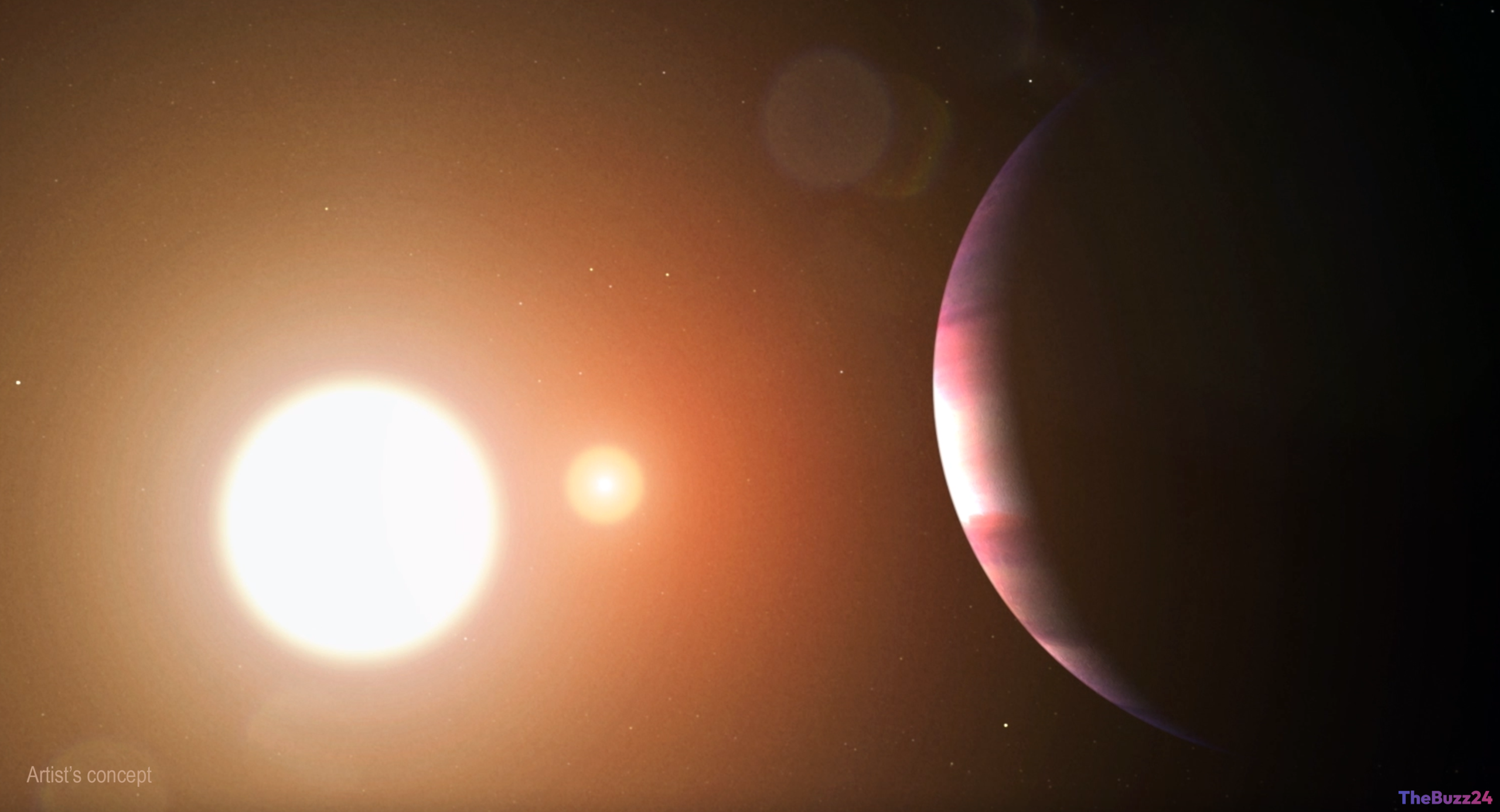
Beyond Transits: TESS Reveals Hidden Exoplanets in Binary Star Systems
Astronomers have successfully identified over two dozen candidate exoplanets by employing a novel analytical technique that monitors the timing of eclipsing binary star systems. While the Transiting Exoplanet Survey Satellite (TESS) is primarily known for detecting planets through the dimming of light as they cross in front of a star, this latest methodology shifts the focus to the gravitational influence these planets exert on the orbital mechanics of binary star pairs. By tracking minute variations in the timing of mutual stellar eclipses, researchers can now pinpoint orbiting bodies that were previously invisible to standard transit-based detection methods.
The research, which spanned an analysis of 1,590 binary systems over two years, underscores the immense utility of the data gathered by TESS since its 2018 deployment. The team uncovered 27 potential exoplanets, with a diverse range of masses extending from 12 times that of Earth to nearly 10 times the mass of Jupiter. These findings are particularly valuable for understanding planetary formation in complex environments where gravitational instability often results in tilted or chaotic orbital paths that standard surveys struggle to capture.
This discovery offers a new window into the dynamics of planetary formation, challenging existing models regarding how planets align within binary systems. Whether planets form in the same plane as their host stars or through more turbulent, inclined processes remains a subject of intense study. By observing these orbital dynamics in real-time—specifically how tidal interactions and gravitational tugs cause orbital planes to precess—scientists are gaining a clearer picture of the chaotic nature of these systems. The team now intends to validate these candidates using ground-based radial velocity measurements, further cementing the role of TESS as a cornerstone of modern space exploration.
Key Takeaways
- Researchers used TESS data to identify 27 new exoplanet candidates by analyzing gravitational timing shifts in binary star systems.
- The new method bypasses traditional transit detection, allowing for the discovery of planets in complex, non-standard orbits.
- The findings provide critical data on how planets form and evolve within the gravitational turbulence of binary star environments.
Editor’s Analysis & Impact
The ability to detect exoplanets through gravitational timing in binary systems represents a significant leap in our observational capabilities. Historically, the ‘transit method’ has been the workhorse of exoplanet discovery, but it is inherently biased toward planets with specific orbital alignments. By expanding the search criteria to include binary star dynamics, astronomers are effectively opening a new frontier in planetary science. This shift not only increases the total count of known exoplanets but also forces a refinement of current planetary formation theories. As ground-based validation confirms these candidates, we can expect a more nuanced understanding of how solar systems emerge in the most chaotic regions of the galaxy, potentially altering our perspective on the prevalence of habitable worlds in multi-star systems.
Frequently Asked Questions
Q: How does this new detection method differ from the traditional transit method?
A: The traditional transit method relies on observing the dip in brightness when a planet passes in front of a star. The new method focuses on the gravitational 'tug' a planet exerts on binary stars, which causes subtle, measurable shifts in the timing of when those stars eclipse each other.
Q: Why is it difficult to find planets in binary star systems?
A: Binary star systems create complex gravitational environments that can cause planets to have tilted, highly elliptical, or chaotic orbits, making them difficult to detect using standard methods that assume a stable, predictable transit path.
AI Disclosure: This article is based on verified data and official reports. Our Team and AI have cross-referenced every financial detail with primary sources to ensure total accuracy.
More from this Category