Fortinet Taps Intel Foundry for Next-Gen Security Chip Production
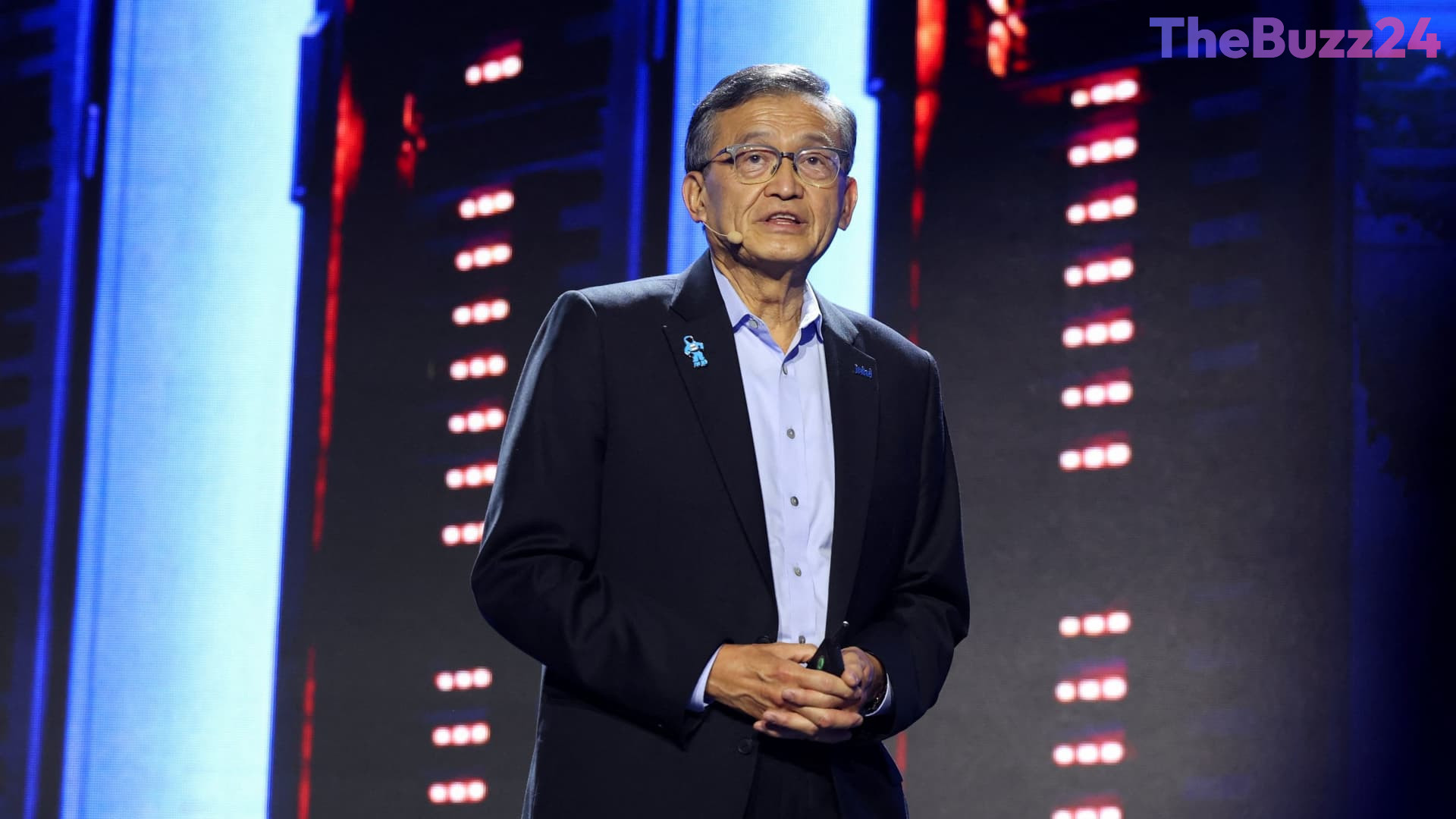
Intel has secured a significant partnership with cybersecurity leader Fortinet, marking the first publicly named corporate client for the chipmaker’s foundry services under the leadership of CEO Lip-Bu Tan. The agreement involves the production of Fortinet’s upcoming SP6 security chip, which will be manufactured utilizing Intel’s established 4-nanometer process technology. This development represents a strategic milestone for Intel as it works to expand its foundry footprint and diversify its client base beyond internal production and government defense contracts.
While Intel continues its pursuit of a marquee customer for its most cutting-edge manufacturing nodes—specifically the 14A and 18A processes—the deal with Fortinet highlights the company’s capability to support specialized networking and security hardware. The SP6 chip is categorized as an application-specific integrated circuit (ASIC), a segment where Intel is increasingly positioning its foundry services to compete against established global manufacturers.
This partnership arrives at a critical juncture for Intel, which has been aggressively investing in global factory infrastructure to bolster domestic and international chip production. Although previous high-profile collaborations with tech giants like Microsoft and Amazon have been announced, those projects have largely focused on lower-volume production. By bringing on a high-growth player like Fortinet, Intel aims to demonstrate the viability and reliability of its foundry model to the broader semiconductor industry and its investors.
Key Takeaways
- Fortinet is the first named corporate customer for Intel's foundry services under CEO Lip-Bu Tan.
- The new SP6 security chip will be manufactured using Intel's 4-nanometer process technology.
- The deal signals Intel's ongoing effort to prove its foundry capabilities to the market while seeking larger, high-volume clients for its most advanced manufacturing nodes.
Editor’s Analysis & Impact
The partnership between Intel and Fortinet serves as a vital proof-of-concept for Intel’s foundry business model. For years, the industry has questioned whether Intel could successfully pivot from a vertically integrated chipmaker to a third-party manufacturer capable of serving external clients. While Fortinet does not carry the same volume requirements as a hyperscaler like Amazon or a consumer electronics giant like Apple, it provides a stable, high-growth anchor client in the cybersecurity sector. The broader implication is that Intel is successfully building a pipeline of ASIC-focused customers, which is essential for justifying the massive capital expenditures currently being poured into its global fabrication facilities. If Intel can continue to land similar mid-to-large-tier contracts, it will likely build the necessary momentum to attract the ‘significant’ high-volume customers required to fully utilize its most advanced 18A and 14A nodes.
Frequently Asked Questions
Q: What is the significance of the Intel-Fortinet deal?
A: It is the first publicly named corporate customer for Intel's foundry services under CEO Lip-Bu Tan, demonstrating Intel's ability to attract external clients for its manufacturing processes.
Q: What technology will be used to produce the Fortinet SP6 chip?
A: The SP6 chip will be manufactured using Intel's 4-nanometer process, which is designed for specialized networking and security hardware.
AI Disclosure: This article is based on verified data and official reports. Our Team and AI have cross-referenced every financial detail with primary sources to ensure total accuracy.
More from this Category