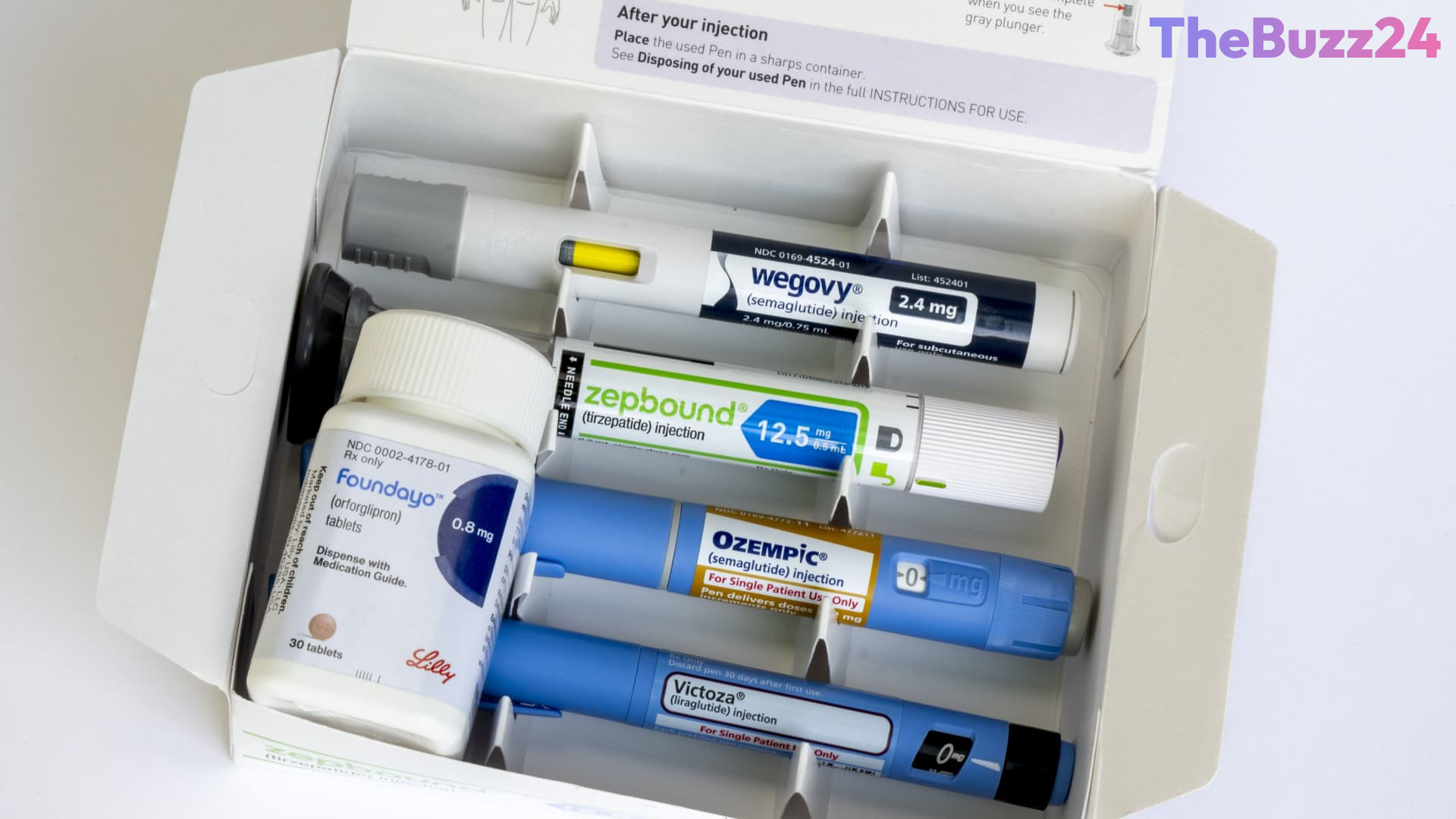
Novo Nordisk Files Lawsuit Against Eli Lilly Over ‘Misleading’ GLP-1 Drug Advertisements
In a major escalation of the fierce competition within the lucrative weight-loss and diabetes treatment market, pharmaceutical giant Novo Nordisk has filed a federal lawsuit against rival Eli Lilly. The legal action alleges that Eli Lilly’s nationwide marketing campaigns for its flagship GLP-1 medications are deliberately designed to deceive consumers by citing outdated clinical trials to overstate the comparative efficacy of its products.
Filed in the U.S. District Court for the District of New Jersey, the complaint centers around advertisements across television and social media that compare Eli Lilly’s treatments directly against Novo’s competing injections. According to the lawsuit, these commercials fail to incorporate recent clinical data regarding Novo’s newer, higher-dose offerings—such as its updated high-dose Wegovy formulation—which deliver weight-loss results comparable to Eli Lilly’s leading products. Novo argues that the advertisements leave patients with an inaccurate impression of market superiority.
Novo Nordisk is seeking a permanent injunction to halt the disputed ads, demands corrective advertising campaigns, and is pursuing unspecified financial damages. The company previously issued a formal cease-and-desist letter in April, which Eli Lilly declined to fulfill. Representatives for Eli Lilly have strongly defended their marketing strategy, asserting that their advertising relies on the gold standard of direct head-to-head clinical evidence and maintaining that they will defend the lawsuit vigorously.
The high-stakes legal battle highlights the intense rivalry between the two drugmakers as they vie for dominance in the rapidly expanding global market for GLP-1 receptor agonists. With millions of consumers relying on direct-to-consumer advertising to navigate complex therapeutic options, the outcome of this litigation could set a significant precedent for how pharmaceutical companies market competing treatments in the future.
Key Takeaways
- Novo Nordisk has filed a federal false advertising lawsuit against Eli Lilly in New Jersey.
- The lawsuit alleges Eli Lilly relies on outdated clinical trial data to misrepresent the comparative effectiveness of its GLP-1 medications.
- Eli Lilly firmly defends its advertising campaigns, stating they are transparent, scientifically grounded, and based on legitimate head-to-head trials.
Editor’s Analysis & Impact
The legal clash between Novo Nordisk and Eli Lilly underscores the hyper-competitive nature of the multi-billion-dollar GLP-1 market. As consumer demand for obesity and diabetes management treatments surges, pharmaceutical companies are investing heavily in direct-to-consumer marketing to capture and retain market share. This lawsuit goes beyond a routine corporate dispute; it touches on consumer protection and the ethical boundaries of pharmaceutical advertising. If Novo Nordisk succeeds in forcing corrective ads or securing an injunction, it could fundamentally alter how drugmakers market competitive therapeutics, forcing a higher standard of real-time data transparency in television and digital campaigns. Conversely, a victory for Eli Lilly would reinforce the validity of utilizing established head-to-head clinical trial benchmarks despite subsequent iterations of rival products.
Frequently Asked Questions
Q: Why is Novo Nordisk suing Eli Lilly?
A: Novo Nordisk is suing Eli Lilly for alleged false advertising, claiming that Lilly's promotional campaigns use outdated clinical trial data to mislead consumers into believing Lilly's obesity and diabetes drugs are superior to Novo's.
Q: What specific legal claims are being made in the lawsuit?
A: The suit includes federal and state unfair competition and false advertising claims, notably invoking the Lanham Act, which holds competitors accountable for deceptive marketing practices.
Q: How has Eli Lilly responded to the legal action?
A: Eli Lilly has stated that it stands firmly behind its advertising, maintaining that its commercials are truthful, transparent, and grounded in the most direct scientific evidence available through robust head-to-head clinical trials.
AI Disclosure: This article is based on verified data and official reports. Our Team and AI have cross-referenced every financial detail with primary sources to ensure total accuracy.
More from this Category