Fragile Truce Holds: Iran and Israel Announce Halt to Direct Strikes After Escalation
Iran and Israel have declared a mutual cessation of military operations against each other, marking a pause in the first direct exchange of fire between the two nations since a fragile truce was established in April. The recent escalation saw both sides launch significant attacks, raising fears of a wider regional conflict.
The Iranian armed forces stated they concluded their operations after delivering what they described as a “painful response” to Israel. They issued a stern warning that any continued aggression, particularly in Lebanon where Israeli forces are engaged with the Iran-backed group Hezbollah, would be met with a “much harsher and more destructive” retaliation. Concurrently, Israeli Prime Minister Benjamin Netanyahu confirmed his country was “holding fire at the moment,” but emphasized that Israel would respond forcefully to any future attacks.
The recent hostilities were ignited following an Israeli strike in Beirut on Sunday, which Iran’s top military commander condemned as “crossing all red lines.” In retaliation, Iran launched approximately 30 missiles at Israel. Israel subsequently responded with two waves of air strikes targeting military installations in western and central Iran, including aerial defense systems. Explosions were reported in several Iranian cities, including Tehran, Isfahan, Najafabad, and Tabriz. Earlier, the Israel Defense Forces (IDF) had also struck a Hezbollah command center in Beirut’s Dahieh suburb after intercepting projectiles launched from Lebanon into Israeli territory.
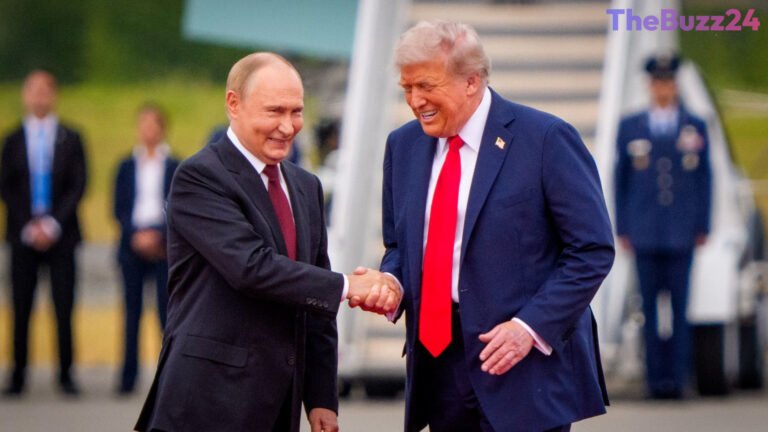
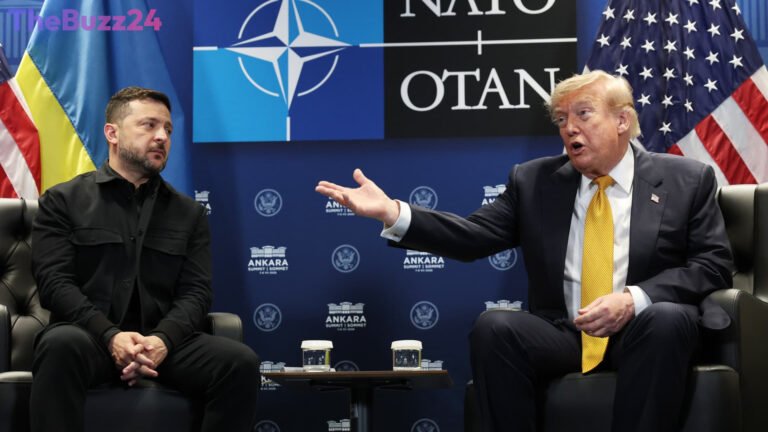
US President Donald Trump played a crucial role in de-escalating the situation, reportedly urging Prime Minister Netanyahu to refrain from further strikes and publicly calling for an “immediate CEASEFIRE!” Trump indicated that Washington was close to securing a broader deal to end the regional war, which began on February 28 with a joint US-Israeli attack on Iran that killed Supreme Leader Ayatollah Ali Khamenei. The conflict quickly spread across the Middle East, involving various proxy groups and impacting vital waterways like the Strait of Hormuz. Despite a Pakistan-brokered ceasefire in April, sporadic clashes and US air strikes on Iran have continued. Yemen’s Houthis, an Iranian ally, also joined the recent escalation by announcing a missile attack on Israel and declaring a “total ban on Israeli maritime navigation” in the Red Sea.
While both nations have now paused direct attacks, the underlying tensions remain high. Prime Minister Netanyahu reiterated that the struggle against Iran and Hezbollah is “not finished” and vowed an “overwhelming force” response if attacks resume. The conflict has resulted in significant casualties across the region, with thousands reported killed in Iran, Lebanon, and other affected states, underscoring the devastating human cost of the ongoing hostilities.
Key Takeaways
- Iran and Israel have mutually halted direct military strikes following their first exchange of fire since an April truce.
- The recent escalation was triggered by an Israeli strike in Beirut, leading to Iranian missile retaliation and subsequent Israeli air strikes.
- US President Donald Trump played a significant role in de-escalation, urging both nations to cease hostilities and pushing for a broader peace deal.
Editor’s Analysis & Impact
The direct exchange of fire between Iran and Israel marks a dangerous escalation in the ongoing regional conflict, testing the limits of proxy warfare and bringing two major powers into direct confrontation. While the current halt in strikes offers a fragile reprieve, the underlying tensions and stated intentions from both sides suggest a high potential for renewed hostilities. The involvement of the US in mediating a ceasefire underscores the international community’s concern over a wider regional conflagration. Economically, any sustained disruption, particularly to shipping lanes like the Strait of Hormuz, could significantly impact global oil prices and trade. The future outlook remains uncertain, heavily dependent on the success of diplomatic efforts to secure a comprehensive peace deal that addresses the complex web of alliances and proxy conflicts, including the role of Hezbollah in Lebanon.
Frequently Asked Questions
Q: What triggered the recent exchange of fire between Iran and Israel?
A: The recent escalation began with an Israeli strike on a Hezbollah command center in Beirut, which Iran deemed a "crossing of all red lines." Iran retaliated with ballistic missile attacks on Israel, prompting further Israeli air strikes on Iranian targets.
Q: What role did the United States play in de-escalating the situation?
A: US President Donald Trump actively intervened, reportedly requesting Israel to halt its strikes and publicly calling for an "immediate CEASEFIRE!" He also emphasized ongoing negotiations between Washington and Tehran aimed at a broader regional peace deal.
Q: What are the current conditions for the halt in hostilities?
A: Both Iran and Israel have declared a halt to their military operations, but with strong warnings. Iran stated it would respond "much harsher" if Israeli aggression continues, particularly in Lebanon. Israeli Prime Prime Minister Benjamin Netanyahu affirmed they would respond with "overwhelming force" if Iran resumes attacks.
AI Disclosure: This article is based on verified data and official reports. Our Team and AI have cross-referenced every financial detail with primary sources to ensure total accuracy.
More from this Category