From Dentures to Squishmallows: The Quirky Reality of Lost Items in Robotaxis
As autonomous vehicle technology becomes increasingly integrated into daily transportation, a new set of logistical challenges has emerged, most notably the recovery of personal belongings left behind by passengers. Uber’s latest data reveals that thousands of items have been abandoned in robotaxis over the past year, ranging from standard essentials like smartphones and keys to bizarre curiosities including dentures, a 15-pound yo-yo, and an ‘I Heart Hot Dads’ bag.
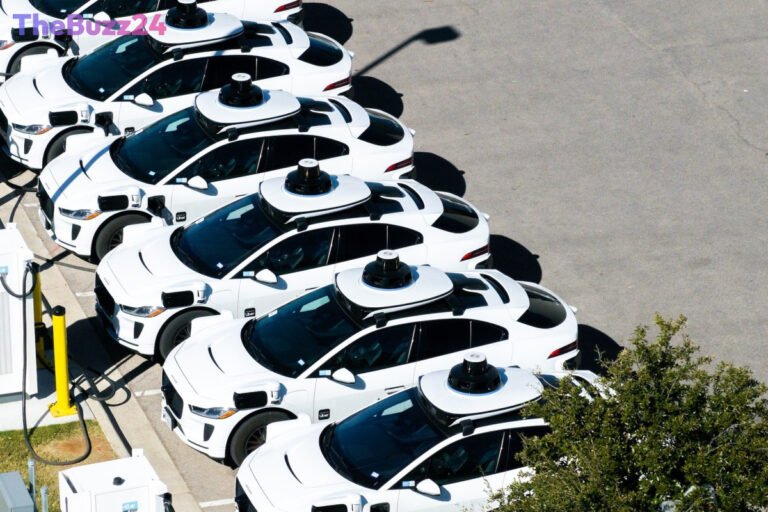
This trend highlights the rapid scaling of Uber’s autonomous ride-hailing network, which has expanded significantly through partnerships with companies like Waymo, Motional, and Avride. With services now operating in cities such as Austin, Atlanta, Las Vegas, and Dallas, the volume of lost property serves as a unique metric for the growing adoption of driverless transit. Despite the absence of a human driver to alert passengers to forgotten items, the company has adapted its existing support infrastructure to manage these recoveries.
To retrieve lost goods, riders follow a standardized process through the Uber app, which connects them with support agents to coordinate the return of their property. Once located, items can be retrieved either in person from an autonomous vehicle depot or via Uber Courier, a service that facilitates same-day delivery. This system is part of a broader strategy under the newly formed Uber Autonomous Solutions division, which aims to provide comprehensive operational support for self-driving fleets.
Looking ahead, the company is aggressively pursuing a global expansion of its autonomous offerings, with plans to operate in 15 cities by the end of the year. By positioning itself as the primary facilitator for autonomous trips, the company is betting that its established support network will be a critical differentiator in the competitive landscape of driverless transportation.
Key Takeaways
- Uber has recorded thousands of lost items in robotaxis over the past year, reflecting the rapid growth of its autonomous vehicle partnerships.
- The recovery process for items left in driverless cars involves contacting support via the app, with options for in-person pickup or same-day courier delivery.
- Uber is scaling its autonomous operations globally, aiming to provide robotaxi services in 15 cities by the end of the year through its new Autonomous Solutions division.
Editor’s Analysis & Impact
The emergence of lost-and-found data for robotaxis is more than a quirky human-interest story; it is a vital indicator of the operational maturity of autonomous ride-hailing. As these services transition from pilot programs to mainstream transit, the ability to manage ‘edge cases’—such as lost property—is essential for maintaining consumer trust. Uber’s strategy of leveraging its existing support infrastructure to handle AV logistics provides a significant competitive moat. By formalizing these services under the ‘Uber Autonomous Solutions’ division, the company is signaling that it intends to be the primary ‘operating system’ for third-party AV fleets. The future outlook suggests that as robotaxis become ubiquitous, the efficiency of these backend support services will be just as important to the bottom line as the autonomous software itself, turning a logistical headache into a recurring service revenue stream.
Frequently Asked Questions
Q: How do I get an item back if I left it in an Uber robotaxi?
A: You should use the Uber app to navigate to the activity tab, select the specific trip, and contact customer support. They will assist in locating the item and arranging for either an in-person pickup at an AV depot or a delivery via Uber Courier.
Q: Is there a fee to recover items left in a robotaxi?
A: If you choose to have the item delivered to you, you can utilize the Uber Courier service, which typically carries a fee for same-day local delivery.
AI Disclosure: This article is based on verified data and official reports. Our Team and AI have cross-referenced every financial detail with primary sources to ensure total accuracy.
More from this Category