Kevin Warsh Faces Senate Scrutiny Over Fed Chair Nomination and Policy Vision
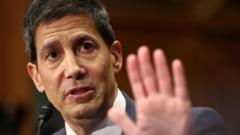
Kevin Warsh, a former Federal Reserve governor, recently navigated a high-stakes confirmation hearing as he seeks to lead the nation’s central bank. The proceedings were marked by aggressive questioning from lawmakers, who pressed the nominee on his professional history and his commitment to maintaining the Federal Reserve’s independence from executive influence. Warsh spent much of the session defending the necessity of institutional autonomy, promising to shield monetary policy from political pressure.
Much of the debate centered on fears that Warsh might act as a political proxy for the current administration. Senator Elizabeth Warren led the charge, questioning the nominee on his potential alignment with White House objectives. Warsh categorically denied these claims, asserting that the integrity of the central bank depends on its ability to operate without pre-arranged policy agreements. Beyond policy, senators scrutinized Warsh’s financial disclosures and past professional associations, including questions regarding his ties to the late financier Jeffrey Epstein. While Warsh did not detail every underlying asset, he committed to divesting his holdings if confirmed.
Looking toward the future, Warsh outlined a vision for a significant “regime change” within the Federal Reserve. He expressed skepticism regarding the efficacy of “forward guidance,” suggesting that the central bank should move toward more spontaneous policy deliberations. Furthermore, he hinted at a potential overhaul of the current inflation framework, specifically questioning the continued reliance on the Personal Consumption Expenditures price index. While these proposals suggest a major shift in institutional strategy, Warsh has yet to provide a comprehensive roadmap for how these structural changes would be implemented.
Key Takeaways
- Kevin Warsh faced rigorous questioning regarding his independence from the White House and his past financial associations.
- The nominee pledged to divest his investment portfolio if confirmed to avoid conflicts of interest.
- Warsh proposed a major shift in Fed strategy, including abandoning 'forward guidance' and potentially revising the current inflation framework.
Editor’s Analysis & Impact
The confirmation hearing for Kevin Warsh marks a potential inflection point for U.S. monetary policy. By advocating for a ‘regime change’ and criticizing established communication tools like forward guidance, Warsh is positioning himself as a disruptor of the status quo. If confirmed, his leadership could introduce a more unpredictable approach to interest rate adjustments, forcing markets to recalibrate their expectations. The intense scrutiny regarding his independence highlights the growing tension between political oversight and central bank autonomy. Investors should monitor these developments closely, as any shift away from the current inflation framework could have profound implications for bond markets, equity valuations, and the broader economic outlook. The resistance from some senators suggests that the path to confirmation remains fraught with political hurdles.
Frequently Asked Questions
Q: Why are senators concerned about Kevin Warsh's independence?
A: Senators are concerned that Warsh might align Federal Reserve monetary policy with the current administration's political goals rather than maintaining the central bank's traditional autonomy.
Q: What structural changes has Warsh proposed for the Federal Reserve?
A: Warsh has suggested moving away from 'forward guidance' in favor of more spontaneous policy meetings and potentially overhauling the current inflation framework, which currently relies on the Personal Consumption Expenditures price index.
AI Disclosure: This article is based on verified data and official reports. Our Team and AI have cross-referenced every financial detail with primary sources to ensure total accuracy.
More from this Category