Canada Bolsters Arctic Sovereignty with Historic Military Expedition
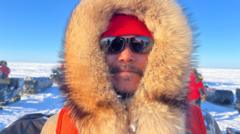
The Canadian Armed Forces have successfully concluded their most extensive northern mission to date, with reservists and combat personnel completing a grueling two-month expedition across the nation’s vast Arctic frontier. The operation, which covered 5,200 kilometers of previously untraversed terrain, saw troops navigate extreme conditions, including temperatures as low as -60C and hazardous blizzard environments. This mission marks a significant milestone for the Canadian Rangers, the specialized unit responsible for monitoring the country’s remote northern territories.
With the Arctic accounting for 40% of Canada’s landmass and 70% of its coastline, the operation served as a critical demonstration of military readiness. Approximately 1,300 personnel were deployed to survey the landscape, assess the impacts of climate change, and refine survival and warfare tactics. The mission comes at a time of heightened global interest in the region, as warming temperatures open new maritime routes and increase competition for untapped natural resources. Military leadership emphasized that these exercises are essential for preparing for potential security threats, particularly as other nations expand their permanent infrastructure in the high north.
Collaboration remained a cornerstone of the operation, with international observers and personnel from the United States, the United Kingdom, France, and Belgium participating in joint training exercises. The success of the mission relied heavily on the expertise of indigenous Inuit Rangers, whose traditional knowledge of the terrain and survival techniques proved vital when modern equipment faced limitations. As Canada identifies Arctic sovereignty as a top national security priority, the government has committed to a multi-billion dollar investment plan aimed at upgrading northern military sites and infrastructure to ensure a robust and permanent presence in the region.
Key Takeaways
- Canada completed its largest-ever Arctic military expedition, covering 5,200 kilometers to reinforce sovereignty in the region.
- The mission involved 1,300 personnel and focused on survival training, climate change assessment, and international cooperation with NATO allies.
- The Canadian government has prioritized Arctic security, committing to significant infrastructure investments to counter increasing geopolitical competition.
Editor’s Analysis & Impact
The Arctic has rapidly transitioned from a remote, frozen frontier to a central theater of geopolitical competition. As climate change renders the region more accessible, the strategic value of northern shipping lanes and natural resources has surged, drawing the attention of global powers. Canada’s recent military push is a direct response to the ‘security gap’ created by Russia’s established Arctic infrastructure and China’s increasing interest in the region. Moving forward, the success of these missions will depend on balancing high-tech surveillance with the traditional, localized knowledge of indigenous populations. The multi-billion dollar investment in northern infrastructure signals a long-term shift in Canadian defense policy, moving away from reactive patrols toward a sustained, permanent presence designed to deter encroachment and manage the unpredictable environmental realities of a warming Arctic.
Frequently Asked Questions
Q: Why is the Arctic considered a priority for Canadian national security?
A: The Arctic represents a massive portion of Canada's territory and coastline. As climate change opens new routes and resource opportunities, the region has become a focal point for international competition, necessitating a stronger military presence to protect sovereignty.
Q: What role do the Inuit Rangers play in these military operations?
A: The Inuit Rangers provide indispensable expertise in navigating the extreme Arctic environment. Their traditional knowledge of the land, survival skills, and ability to identify environmental hazards are critical to the safety and success of military personnel operating in the region.
AI Disclosure: This article is based on verified data and official reports. Our Team and AI have cross-referenced every financial detail with primary sources to ensure total accuracy.
More from this Category