Orbital Computing: The New Era of Space-Based Data Processing
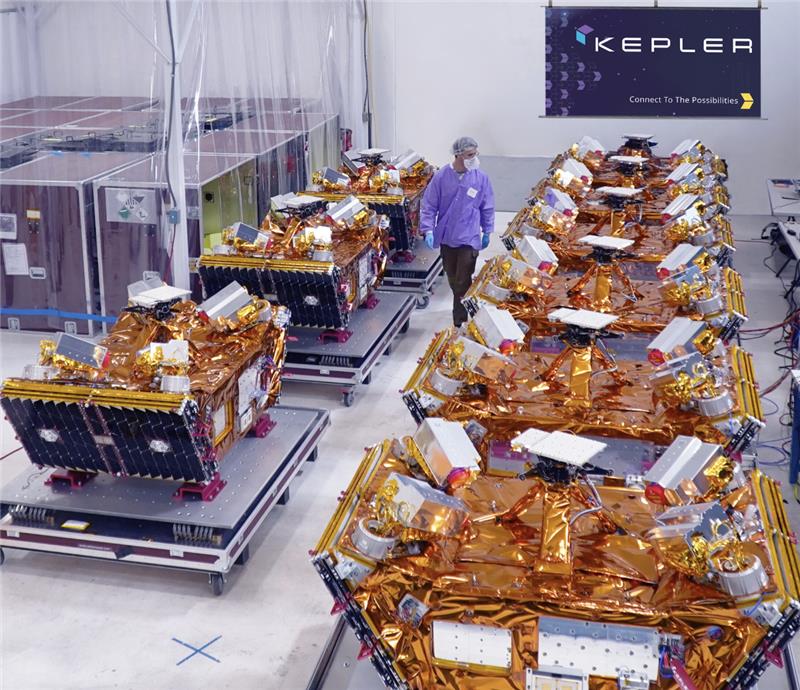
The aerospace industry has reached a significant milestone with the official launch of commercial orbital compute clusters. By deploying a network of ten satellites integrated with high-performance Nvidia Orin edge processors and interconnected via high-speed laser links, operators are moving away from traditional models that rely solely on ground-based data downlinks. This shift enables immediate, localized information processing directly in orbit, drastically reducing latency and bandwidth requirements.
In a strategic partnership with Sophia Space, the project is currently validating specialized, passively-cooled computing architectures. These systems are engineered to overcome the unique thermal management challenges posed by the vacuum of space. By utilizing a software-defined network across the constellation, the initiative establishes a scalable blueprint for robust edge computing, proving that complex hardware can function reliably in extreme extraterrestrial environments.
While the long-term vision involves the development of full-scale orbital data centers by the 2030s, the current focus remains on optimizing sensor efficiency. By offloading power-intensive tasks—such as synthetic aperture radar processing—directly to orbit, the technology provides immediate value to both defense and commercial stakeholders. This distributed processing model offers a more efficient alternative to the intermittent, massive workloads typically handled by terrestrial data centers.
As Earth-based data centers face mounting regulatory scrutiny and energy constraints, the viability of orbital alternatives is gaining momentum. Proponents argue that processing data at the point of collection is becoming a foundational element of global digital infrastructure. As these satellites evolve from simple signal relays into intelligent, active computing nodes, they are poised to redefine how the world manages and utilizes space-derived data.
Key Takeaways
- A new network of ten satellites equipped with Nvidia Orin processors is now performing real-time data processing in orbit.
- The use of laser-linked satellites and passively-cooled architectures solves critical thermal and latency issues inherent in space-based computing.
- Orbital processing is currently being utilized to offload power-heavy tasks like synthetic aperture radar, providing a more efficient alternative to terrestrial data centers.
Editor’s Analysis & Impact
The transition toward orbital edge computing represents a paradigm shift in how we manage the global data lifecycle. By moving computation closer to the source of data collection, companies can bypass the bottlenecks of terrestrial downlinks and the increasing energy costs associated with building massive data centers on Earth. This development is particularly significant for the defense and Earth-observation sectors, where real-time intelligence is paramount. While the technology is currently in its nascent stages, the successful deployment of these compute clusters suggests that space will soon function as an extension of our terrestrial cloud infrastructure. As thermal management and power efficiency continue to improve, we can expect a rapid acceleration in the complexity of tasks performed in orbit, potentially leading to a new market for space-based ‘computing-as-a-service’ that could disrupt traditional telecommunications and data storage industries.
Frequently Asked Questions
Q: Why is orbital computing more efficient than ground-based processing?
A: Orbital computing allows for data to be processed at the point of collection, which eliminates the need to transmit massive raw datasets to Earth, thereby reducing latency and bandwidth consumption.
Q: What are the main challenges of running data centers in space?
A: The primary challenges include managing heat dissipation in a vacuum, ensuring hardware reliability against cosmic radiation, and maintaining power efficiency for high-performance processors.
AI Disclosure: This article is based on verified data and official reports. Our Team and AI have cross-referenced every financial detail with primary sources to ensure total accuracy.
More from this Category