Pope Leo XIV Launches Strategic African Tour to Engage World’s Fastest-Growing Catholic Population
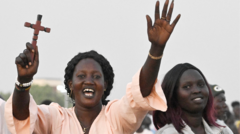
Pope Leo XIV has commenced an extensive 11-day diplomatic and spiritual tour across Africa, highlighting the continent’s rising importance to the global Catholic Church. Covering nearly 18,000 kilometers, the journey includes stops in Algeria, Cameroon, Angola, and Equatorial Guinea. With over 288 million Catholics now residing in Africa—representing more than 20% of the global Church membership—the Vatican is signaling a major shift in its strategic focus toward the region.
The tour began with a historic visit to Algeria, marking the first time a pope has traveled to the nation. The itinerary includes symbolic stops at both the Great Mosque of Algiers and the Basilica of Our Lady of Africa, emphasizing a commitment to interfaith dialogue. This leg of the trip holds particular significance for the pontiff, as Algeria is the birthplace of St. Augustine, a foundational theologian whose work on community and humility has heavily influenced Pope Leo XIV’s own ministry.
As the tour moves into sub-Saharan Africa, the focus shifts toward addressing regional instability and social justice. In Cameroon, the Pope is scheduled to lead a Mass for peace in Bamenda, a region currently suffering from a protracted conflict between government forces and English-speaking separatists. The visit is viewed by many local residents as a critical opportunity to advocate for reconciliation in an area where thousands have been displaced and thousands more have lost their lives.
The final stages of the journey will see the pontiff visiting Angola and Equatorial Guinea, where he is expected to address governance, human rights, and long-term peace-building efforts. Through a series of 25 planned speeches and direct engagements with political and community leaders, Pope Leo XIV intends to solidify Africa’s role as a central pillar for the future of the Catholic faith.
Key Takeaways
- Pope Leo XIV is conducting an 11-day, four-nation tour of Africa to engage with the world's fastest-growing Catholic population.
- The trip includes a historic first-ever papal visit to Algeria, emphasizing interfaith harmony and the legacy of St. Augustine.
- The pontiff is using the tour to address regional conflicts and social justice issues, particularly in war-torn areas of Cameroon.
Editor’s Analysis & Impact
The decision by Pope Leo XIV to prioritize a multi-nation African tour underscores a fundamental demographic shift within the Catholic Church. As secularism continues to challenge traditional Church influence in Europe and North America, Africa has emerged as the primary engine of growth for the faith. By visiting regions plagued by civil unrest and political instability, the Vatican is positioning itself as a moral mediator, moving beyond purely spiritual guidance into the realm of international diplomacy and humanitarian advocacy. This tour is likely to strengthen the Church’s influence in African governance and social policy, while simultaneously forcing the Vatican to navigate the complex realities of religious minority rights and ethnic conflict. The long-term implication is a more decentralized Church structure that relies heavily on the vitality and resilience of its African dioceses to maintain global relevance.
Frequently Asked Questions
Q: Why is this tour considered significant for the Catholic Church?
A: The tour is significant because Africa currently hosts over 288 million Catholics, making it the fastest-growing region for the Church globally.
Q: What is the primary goal of the Pope's visit to Cameroon?
A: The visit to Cameroon is focused on promoting peace and reconciliation in the Bamenda region, which has been devastated by a long-standing conflict between separatists and the government.
AI Disclosure: This article is based on verified data and official reports. Our Team and AI have cross-referenced every financial detail with primary sources to ensure total accuracy.
More from this Category