Fusion Energy Heats Up: Utilities Forge Partnerships with Startups for Future Grid Power
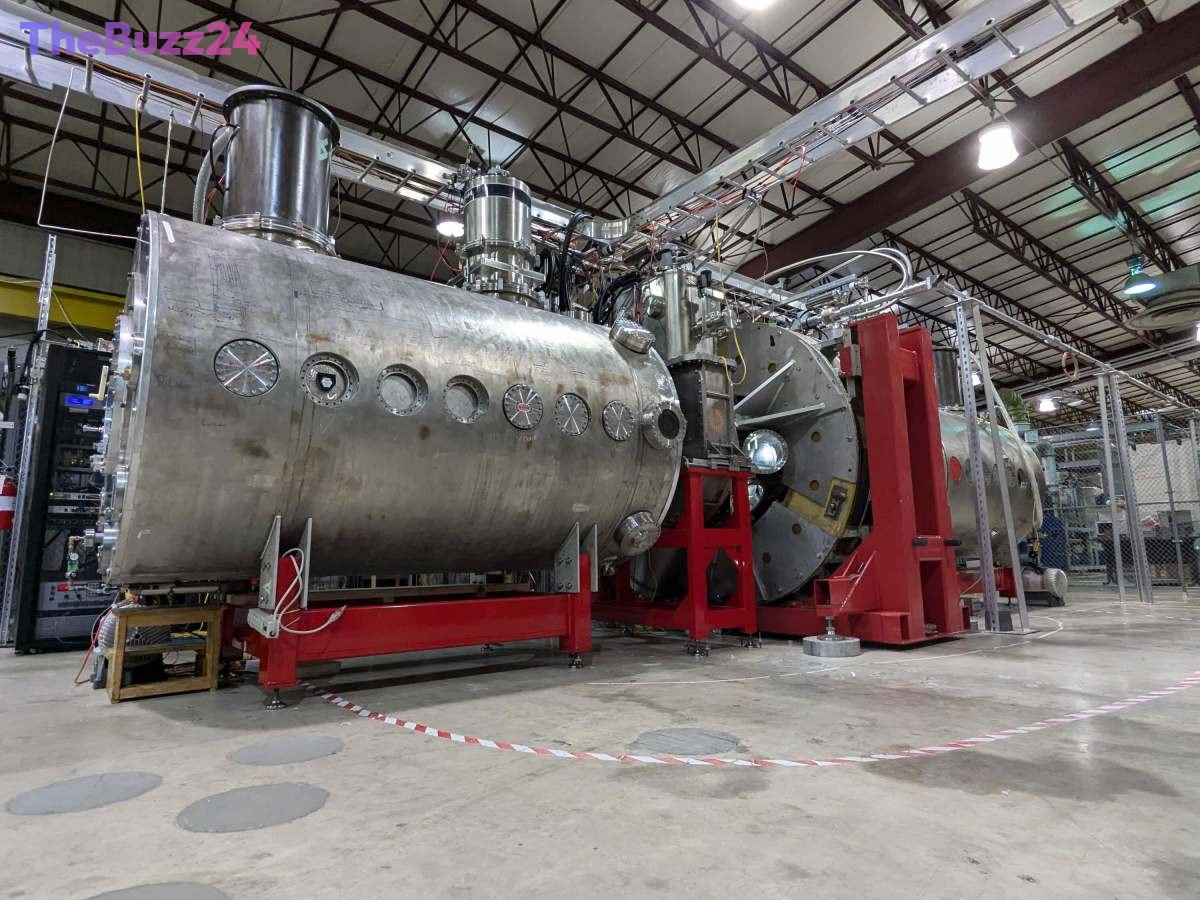
Utilities are increasingly forging strategic alliances with fusion energy startups, signaling a significant shift in how the energy sector is preparing for future power demands. The latest development sees fusion company Realta Fusion announcing a partnership with Madison Gas and Electric (MGE), which aims to establish one of the nation’s first grid-connected fusion power plants in Wisconsin. This collaboration underscores a growing trend of utilities seeking early access to fusion technology, driven by both the advancements in the field and mounting concerns over long-term energy supply.
These partnerships serve as crucial validation for fusion ventures, offering tangible benefits beyond just funding. Startups gain invaluable engineering support, assistance with regulatory processes, and help with site selection for grid interconnection. For utilities, these deals provide a window into a potentially transformative energy source that could redefine grid infrastructure for decades. While fusion power has historically been perceived as perpetually on the horizon, recent scientific and engineering breakthroughs, coupled with the escalating energy needs of sectors like AI, have spurred utilities to actively engage with fusion developers.
Realta Fusion’s agreement with MGE outlines plans for a 200-megawatt power plant, capable of powering a small city, with an anticipated operational date in the mid-2030s. The partnership also includes an equity investment from MGE. Meanwhile, other fusion companies are also securing similar utility backing. Commonwealth Fusion Systems (CFS) is collaborating with Dominion Energy on its Arc power plant, slated for the early 2030s. Helion is working with the Chelan County Public Utility District in Washington State for its Polaris facility, expected to begin operation in 2028 and supply power to Microsoft. Type One Energy is also planning a 350-megawatt plant in Tennessee with the Tennessee Valley Authority, targeting the mid-2030s.
These collaborations highlight a strategic pivot for utilities, traditionally risk-averse entities. The promise of fusion power—a clean, consistent, 24/7 energy source—offers a compelling alternative to the intermittency of renewables like solar and wind, and a potential long-term solution to baseload power needs. Despite the long development timelines, utilities view these investments as essential to de-risk their future energy portfolios and ensure grid stability in an era of rapidly evolving energy demands.
Key Takeaways
- Utilities are actively partnering with fusion energy startups to secure future power sources and gain early access to the technology.
- These collaborations provide fusion startups with essential resources like engineering support, permitting, and site access, while validating their progress.
- The growing interest from utilities is driven by advancements in fusion technology and the increasing demand for reliable, clean baseload power, especially with the rise of AI data centers.
Editor’s Analysis & Impact
The surge in utility partnerships with fusion startups marks a critical inflection point for the nascent industry. It signifies a pragmatic shift from theoretical promise to tangible development, driven by the urgent need for reliable, carbon-free baseload power. For utilities, these long-term, capital-intensive ventures represent a strategic hedge against future energy scarcity and grid instability, particularly as demand from AI and electrification intensifies. While the timelines remain lengthy, the commitment from established energy players provides much-needed credibility and de-risks the path to commercialization for fusion companies. This trend suggests that fusion power, once a distant dream, is now a serious contender in the future energy landscape, potentially reshaping global energy markets.
Frequently Asked Questions
Q: What is fusion power?
A: Fusion power is a process that mimics the energy generation of stars, where light atomic nuclei combine to form heavier nuclei, releasing vast amounts of energy. It is considered a potentially clean, safe, and virtually limitless energy source.
Q: Why are utilities interested in fusion power now?
A: Utilities are interested due to significant recent advancements in fusion technology, the increasing demand for clean and consistent baseload power (especially for AI data centers), and the limitations of intermittent renewable sources like solar and wind. Fusion offers a potential solution for 24/7 clean energy generation.
Q: What benefits do fusion startups gain from utility partnerships?
A: Fusion startups benefit from partnerships by gaining access to crucial engineering expertise, assistance with regulatory approvals and permitting, help with site selection for grid interconnection, and land leases. These collaborations also provide significant real-world validation for their technology.
AI Disclosure: This article is based on verified data and official reports. Our Team and AI have cross-referenced every financial detail with primary sources to ensure total accuracy.
More from this Category