Galactic Giants Collide: The NGC 7771 Group’s Billions-Year Merger Unveiled
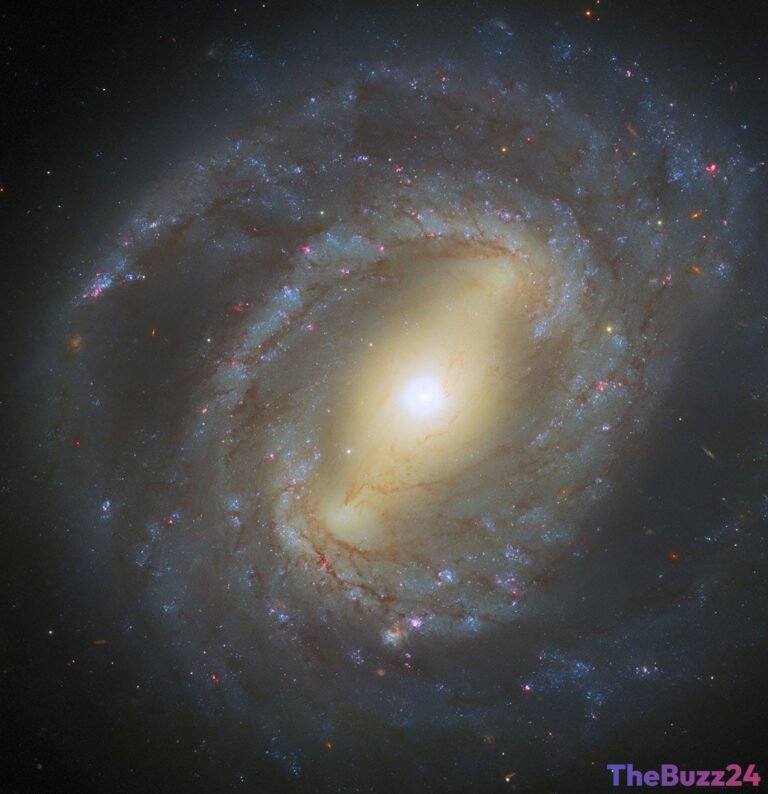
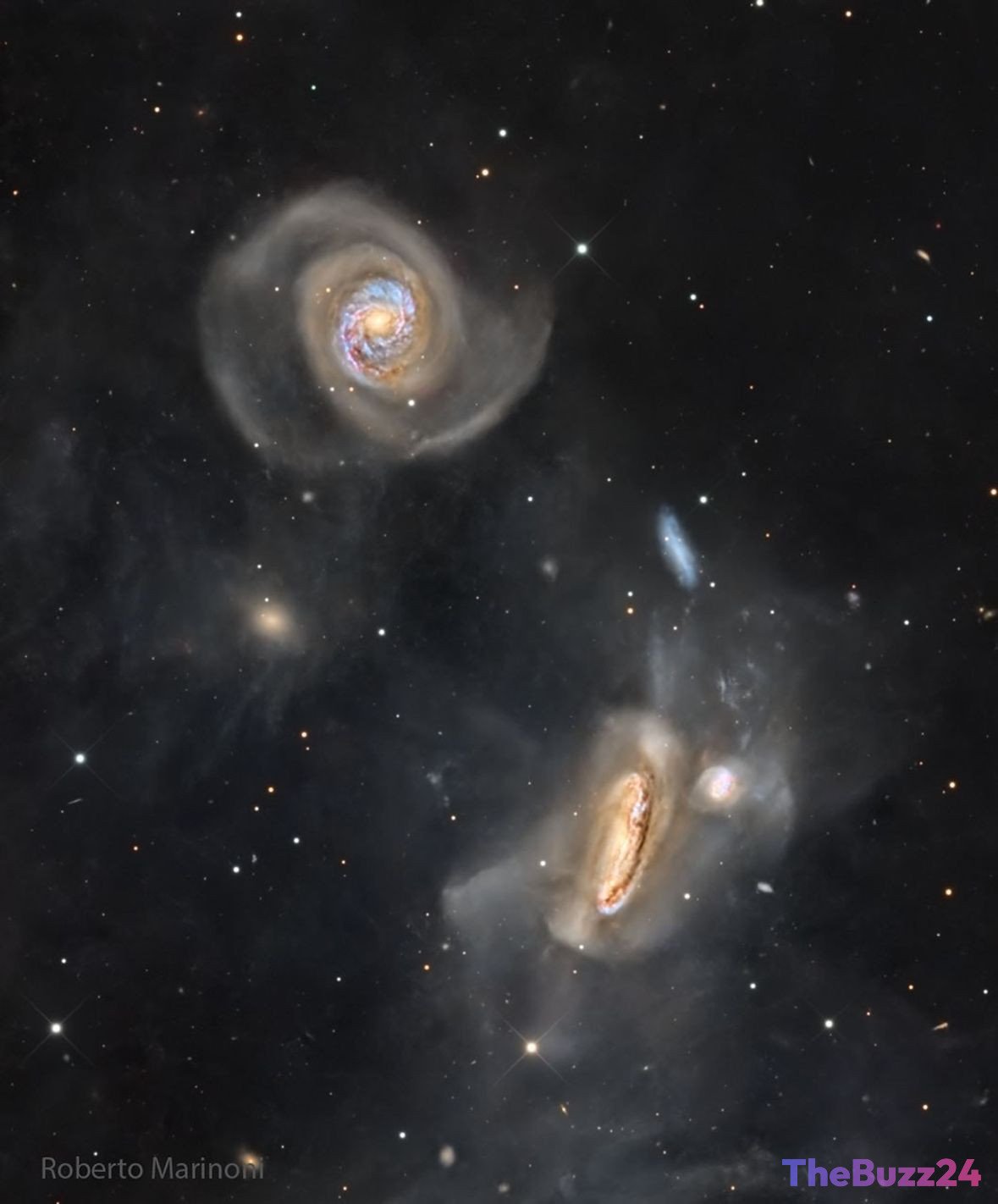
A dramatic cosmic spectacle is unfolding nearly 200 million light-years away in the constellation Pegasus, where a cluster of galaxies known as the NGC 7771 Group is engaged in a prolonged gravitational battle. This celestial dance, captured in stunning detail, reveals the intricate processes of galactic evolution, with visible rings and faint star swirls serving as ethereal remnants of previous close encounters between these colossal structures.
At the heart of this dynamic group are two prominent members: the barred spiral galaxy NGC 7771, which spans an impressive 75,000 light-years across, and the spiral galaxy NGC 7769, nearly its equal in size. These and several smaller companion galaxies are locked in a gravitational embrace, making repeated close passages that exert immense tidal forces on each other. Over vast stretches of cosmic time, these interactions will inevitably lead to a grand merger, consolidating the entire group into a single, much larger galaxy.
This ongoing process, playing out over billions of years, is a fundamental aspect of how galaxies evolve throughout the universe. Observing and studying such galactic collisions provides invaluable insights for astronomers, helping them to decipher the complex mechanics of gravitational interactions on a cosmic scale. Crucially, understanding these distant mergers offers a window into the future of our own Milky Way galaxy, which is on an inevitable collision course with the Andromeda galaxy billions of years from now.
Key Takeaways
- The NGC 7771 Group of galaxies is undergoing intense gravitational interactions, leading to an eventual merger over billions of years.
- Located nearly 200 million light-years away in the constellation Pegasus, the group includes the large barred spiral NGC 7771 and spiral NGC 7769.
- Studying these cosmic collisions provides crucial insights into the natural evolution of galaxies and helps predict the future merger of the Milky Way and Andromeda galaxies.
Editor’s Analysis & Impact
The observation of the NGC 7771 Group offers a profound glimpse into the long-term evolutionary processes shaping the universe. While not directly impacting traditional markets, this scientific discovery significantly advances our understanding of astrophysics and cosmology. For the scientific community, it provides critical data points for refining models of galaxy formation and interaction. The broader implication is a deeper appreciation for the dynamic nature of the cosmos and our place within it. Future research will likely leverage advanced telescopes and computational simulations to further unravel the intricacies of these mergers, potentially revealing new physics or refining our timeline for the Milky Way-Andromeda collision. This kind of fundamental research underpins technological advancements in space exploration and data analysis.
Frequently Asked Questions
Q: What is the NGC 7771 Group?
A: The NGC 7771 Group is a cluster of galaxies located approximately 200 million light-years away in the constellation Pegasus, currently undergoing significant gravitational interactions that will eventually lead to their merger into a single, larger galaxy.
Q: How long will the merger process take for the NGC 7771 Group?
A: The merger process for the galaxies within the NGC 7771 Group is a gradual phenomenon that will unfold over billions of years, driven by repeated close gravitational passages.
Q: Why is studying these galactic mergers important?
A: Studying galactic mergers like those in the NGC 7771 Group is crucial for understanding the natural evolution of galaxies across the universe. It provides insights into how larger galaxies form and helps astronomers predict and comprehend the future merger of our own Milky Way galaxy with the Andromeda galaxy.
AI Disclosure: This article is based on verified data and official reports. Our Team and AI have cross-referenced every financial detail with primary sources to ensure total accuracy.
More from this Category