General Motors Bets on New Battery Facility to Accelerate EV Cost Reduction
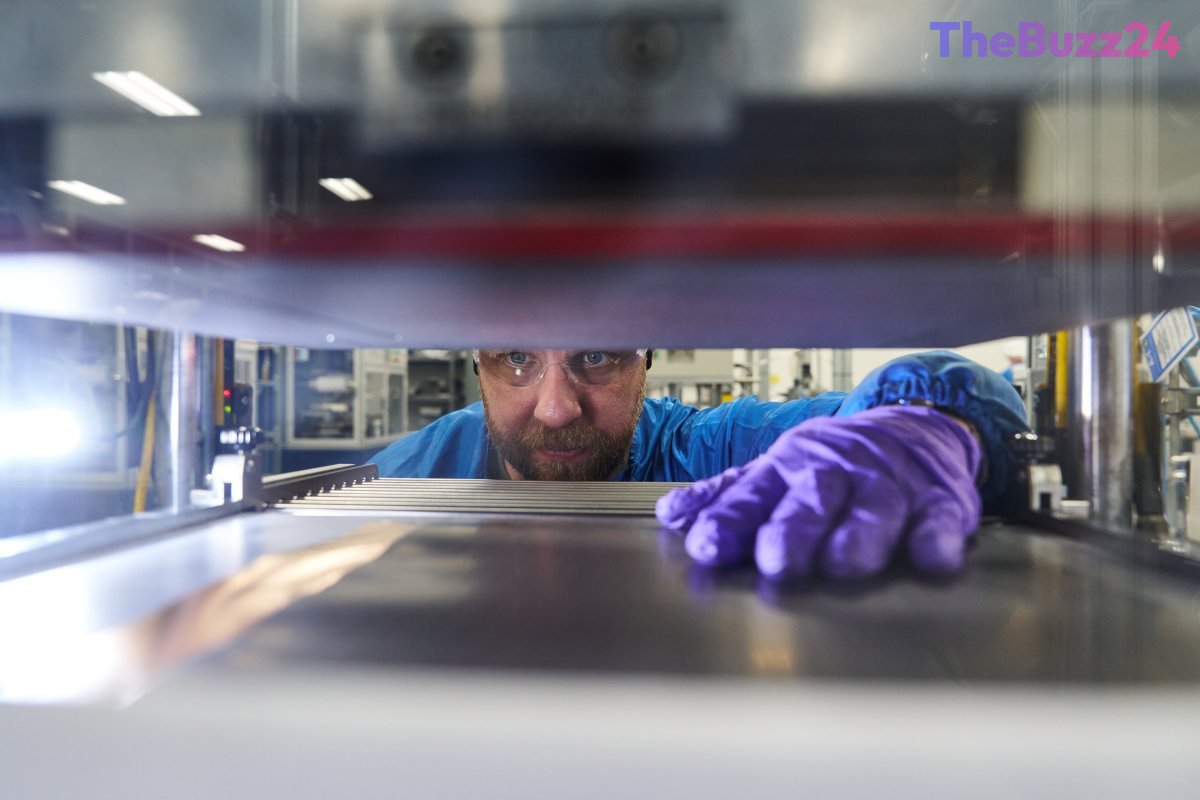
General Motors is intensifying its efforts to dominate the electric vehicle market with the launch of its new Battery Cell Development Center (BCDC) in Warren, Michigan. This 500,000-square-foot facility serves as a critical bridge between laboratory research and mass production, aiming to slash electric vehicle costs by nearly 10%. By streamlining the transition from small-batch testing to full-scale manufacturing, the automaker hopes to bring more affordable, long-range EVs to market a year ahead of its previous schedule.
At the heart of this strategy is a new battery chemistry known as lithium-manganese-rich (LMR). While the company previously relied on the nickel-manganese-cobalt (NMC) platform for its Ultium-branded vehicles, rising material costs and global competition have necessitated a shift. LMR is designed to offer energy density comparable to NMC but at a price point closer to the more affordable lithium-iron-phosphate (LFP) batteries. The company estimates that implementing this chemistry in vehicles like the Chevrolet Silverado EV could reduce costs by at least $6,000 without sacrificing significant range.
To ensure the success of this transition, the BCDC utilizes advanced AI simulations and digital twins to optimize production processes before physical equipment is even engaged. By logging over 150 million CPU hours in physics-based modeling, engineers can identify potential bottlenecks and safety issues in a virtual environment. This high-tech approach is intended to minimize the “debug” phase of manufacturing, allowing GM to scale up production of new battery chemistries with greater speed and efficiency as it prepares for a 2028 rollout of its next-generation EV fleet.
Key Takeaways
- GM has opened a new Battery Cell Development Center to bridge the gap between R&D and mass production, aiming to cut EV costs by 10%.
- The company is shifting focus to lithium-manganese-rich (LMR) battery chemistry to balance high energy density with lower production costs.
- Advanced AI modeling and digital twins are being used to simulate production lines, saving millions in development time and potential manufacturing errors.
Editor’s Analysis & Impact
General Motors’ investment in the BCDC reflects a broader industry pivot toward vertical integration and manufacturing agility. As the global EV market faces cooling demand and intense competition from Chinese manufacturers, the ability to rapidly iterate on battery chemistry is becoming the primary competitive advantage for legacy automakers. By moving away from the expensive, high-end NMC chemistry for mass-market vehicles, GM is positioning itself to capture the middle-class consumer segment that has been priced out of the current EV market. The reliance on AI-driven digital twins suggests that the future of automotive manufacturing will be defined as much by software and simulation as by mechanical engineering. If successful, this facility could serve as a blueprint for how traditional manufacturers can modernize their supply chains to compete with agile, tech-first rivals.
Frequently Asked Questions
Q: What is the primary purpose of the new Battery Cell Development Center?
A: The BCDC acts as a pilot production facility that bridges the gap between small-scale laboratory research and large-scale gigafactory production, allowing GM to test and refine battery manufacturing processes before full-scale deployment.
Q: Why is GM shifting from NMC to LMR battery chemistry?
A: LMR (lithium-manganese-rich) chemistry offers energy density similar to the more expensive NMC (nickel-manganese-cobalt) but at a significantly lower cost, helping GM make its electric vehicles more affordable for the average consumer.
AI Disclosure: This article is based on verified data and official reports. Our Team and AI have cross-referenced every financial detail with primary sources to ensure total accuracy.
More from this Category