General Motors Revamps OnStar with Advanced In-House Artificial Intelligence
General Motors is fundamentally overhauling its 30-year-old OnStar subscription service by integrating a sophisticated, in-house personal artificial intelligence assistant. Unveiled during a major technology showcase in New York, the modernized platform marks a significant pivot for the legacy automaker as it transitions OnStar from a traditional emergency call center into a comprehensive, connected intelligence ecosystem.
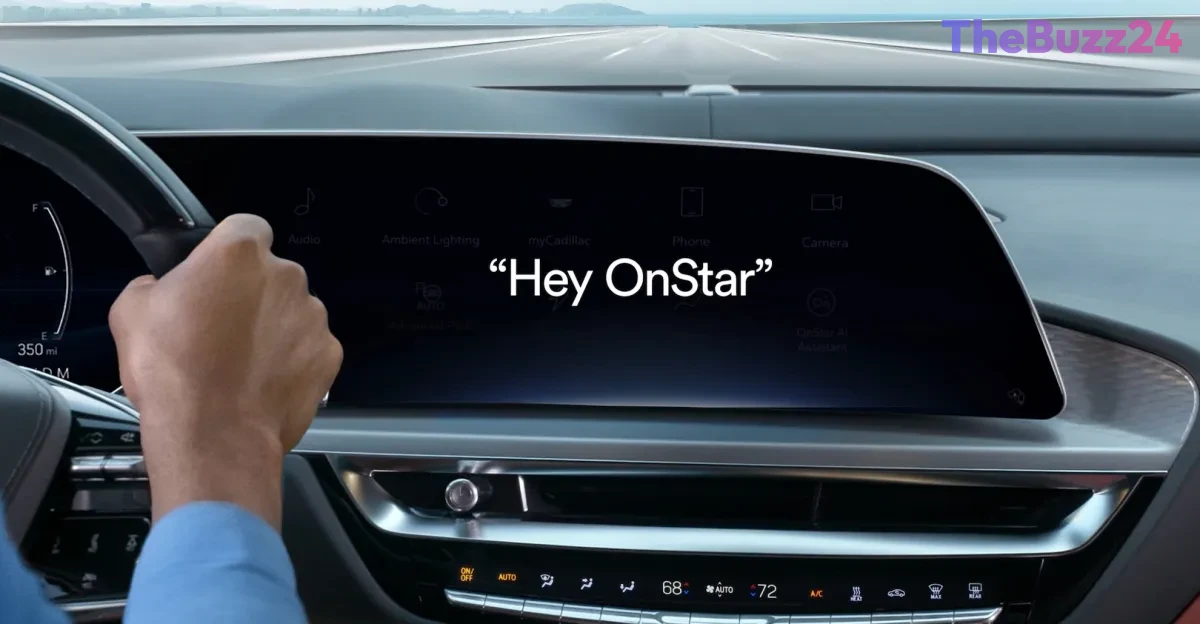
The proprietary OnStar AI Assistant is scheduled to make its commercial debut in the upcoming 2027 Cadillac Lyriq electric vehicle, with wider deployment planned across the automaker’s broader vehicle lineup. Alongside the in-vehicle assistant, a unified mobile application will launch in 2027 to streamline the user experience. This new application is designed to replace the standalone OnStar Guardian app and individual brand-specific mobile software for Chevrolet, Buick, GMC, and Cadillac.
Unlike previous digital upgrades that relied heavily on external partnerships, this latest initiative places advanced agentic AI at the core of the vehicle’s architecture. The new system allows passengers to manage climate controls, query vehicle features using natural language, and interact with an adaptive digital assistant designed to offer predictive support. Furthermore, the platform integrates with vehicle-mounted cameras to provide live feeds, automated security recordings triggered by unusual events like aggressive horn honks, and enhanced crash documentation.
To address ongoing industry-wide concerns regarding data privacy, the automaker emphasized that user recordings will be heavily encrypted, subject to strict time limits, and controlled directly by the vehicle owner. This technological leap reflects a broader industry push to embed deeply integrated software solutions directly into modern vehicles, positioning traditional manufacturers to better compete with tech-forward rivals.
Key Takeaways
- General Motors is introducing an in-house developed OnStar AI Assistant starting with the 2027 Cadillac Lyriq.
- A brand-new mobile app will launch in 2027 to consolidate existing brand-specific applications and the OnStar Guardian app.
- The updated platform integrates vehicle cameras for automated security recording and offers enhanced data privacy controls for owners.
Editor’s Analysis & Impact
General Motors’ decision to develop an in-house AI assistant for OnStar highlights a crucial shift in the automotive industry, where software-defined vehicles and connected services are becoming the primary battleground for consumer loyalty and recurring revenue. By moving away from purely relying on third-party integrations and building proprietary intelligence platforms, legacy automakers are attempting to capture the high-margin subscription revenues traditionally dominated by tech giants and EV pure-plays like Tesla. However, the success of this strategy will heavily hinge on seamless user adoption, robust cybersecurity, and transparent data privacy practices, especially given past industry scrutiny regarding connected vehicle data sharing. If executed correctly, this transformation could redefine how drivers interact with their vehicles, turning cars into proactive, personalized assistants.
Frequently Asked Questions
Q: When will the new OnStar AI Assistant be available?
A: The OnStar AI Assistant is set to debut in the 2027 Cadillac Lyriq EV, with deployment in additional General Motors vehicles following shortly after.
Q: What will happen to the existing OnStar apps?
A: A new unified mobile application will launch in 2027 to replace both the OnStar Guardian app and the individual vehicle brand apps for Buick, Cadillac, Chevrolet, and GMC.
Q: How does the system handle user data and privacy?
A: General Motors stated that users will have full control over what data is shared. Connected camera recordings are encrypted, subject to strict time limits, and cannot be accessed directly by General Motors or OnStar.
AI Disclosure: This article is based on verified data and official reports. Our Team and AI have cross-referenced every financial detail with primary sources to ensure total accuracy.
More from this Category