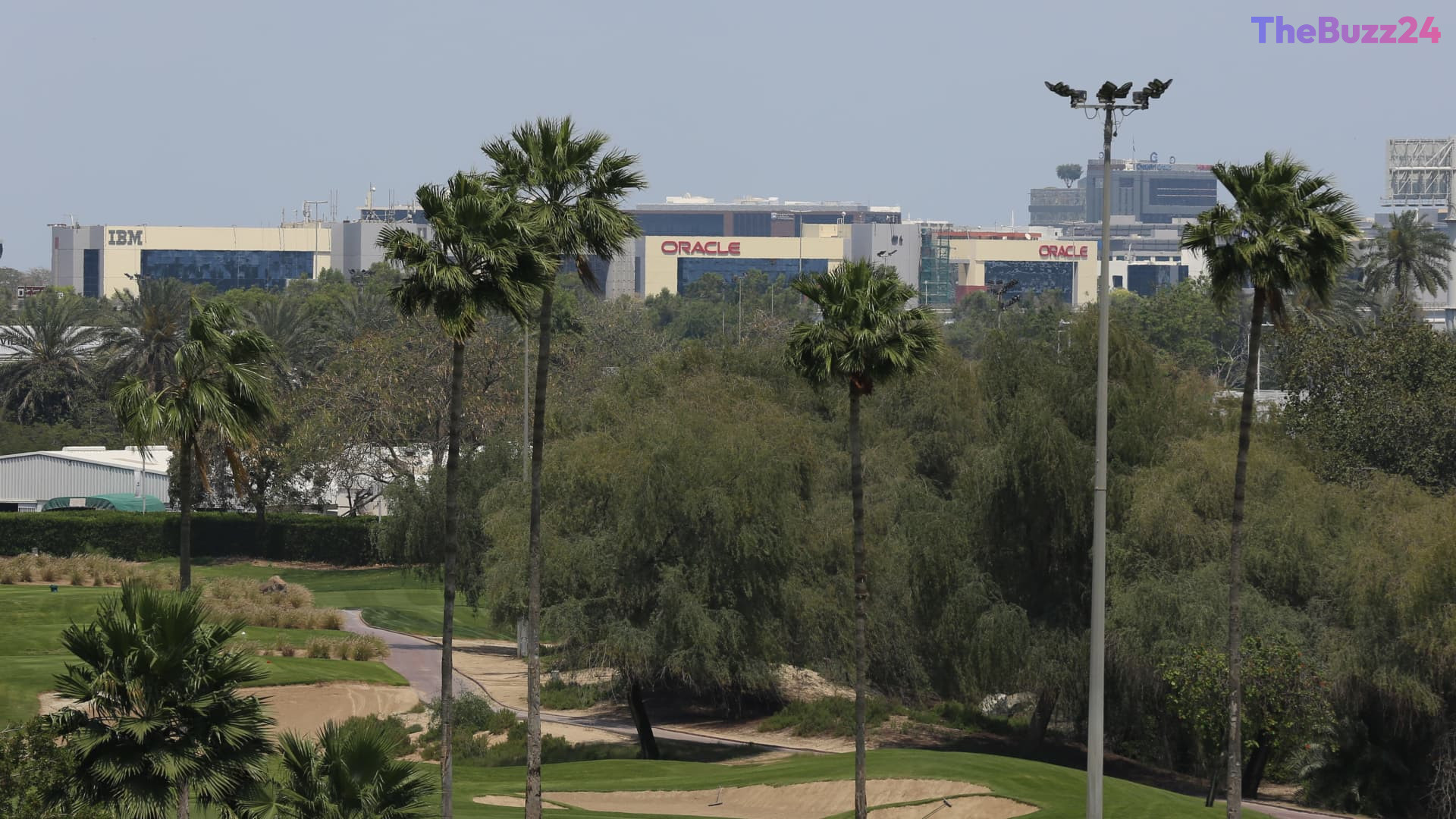
Gulf Nations Pivot to ‘Hardened’ Infrastructure Amid Rising AI Security Risks
The Gulf region’s ambitious strategy to transform into a global powerhouse for artificial intelligence is facing a complex reality check as regional instability threatens long-term infrastructure projects. Countries including the United Arab Emirates, Saudi Arabia, and Qatar have leveraged their immense sovereign wealth and low-cost energy reserves to attract major international technology firms. However, the current geopolitical climate has forced a strategic reassessment of the risks involved in housing massive, energy-intensive data centers within a volatile environment.
While the region’s primary appeal has historically been its ability to provide stable and affordable power—a critical requirement for modern AI computing—that advantage is now being weighed against new operational threats. Beyond standard cybersecurity concerns, operators are increasingly accounting for kinetic risks, such as potential drone strikes, which have necessitated a significant upgrade in physical security protocols for high-tech facilities.
Despite these hurdles, regional leaders remain committed to their technological transformation goals. Major initiatives, such as Saudi Arabia’s HUMAIN and the UAE’s G42, continue to advance, underscoring that AI remains a central pillar of their economic diversification efforts. To mitigate risks, the industry is transitioning toward a model of ‘hardened’ infrastructure, integrating advanced anti-drone defenses and robust physical security measures to ensure operational continuity.
Although the path forward involves higher costs and increased complexity, the strategic necessity of moving beyond oil-dependent economies continues to drive these investments. By incorporating elevated insurance and security expenditures into their financial models, Gulf nations are demonstrating that their AI ambitions are evolving rather than retreating. The region is entering a new phase where infrastructure resilience is becoming as vital as raw computing power.
Key Takeaways
- Gulf nations are navigating increased operational risks for AI infrastructure due to regional geopolitical instability.
- The industry is pivoting toward 'hardened' data centers that feature advanced physical security and anti-drone capabilities.
- Despite higher costs and security concerns, Gulf leaders continue to prioritize AI as a vital component of their long-term economic diversification.
Editor’s Analysis & Impact
The Gulf region’s attempt to pivot from a resource-based economy to a high-tech AI hub is a high-stakes gamble that is now colliding with the harsh realities of regional geopolitics. The shift toward ‘hardened’ infrastructure is a necessary evolution, but it fundamentally alters the cost-benefit analysis for international tech partners. While the region offers unparalleled capital and energy access, the added overhead of physical security and insurance premiums may narrow the pool of potential investors to those with a higher risk appetite. Looking ahead, the success of this transition will depend on whether these nations can prove that their infrastructure is resilient enough to withstand regional volatility. If they succeed, they will set a new global standard for secure, energy-independent AI operations; if they fail, the region risks becoming a cautionary tale of technological overreach in unstable territories.
Frequently Asked Questions
Q: Why is the Gulf region considered a prime location for AI data centers?
A: The region is attractive primarily due to its vast sovereign wealth, which funds large-scale projects, and its access to abundant, low-cost energy, which is essential for powering the massive computing needs of AI.
Q: What are 'hardened' data centers in the context of the Gulf?
A: Hardened data centers are facilities designed with enhanced physical security measures, such as advanced anti-drone technology and structural reinforcements, to protect against kinetic threats and regional instability.
AI Disclosure: This article is based on verified data and official reports. Our Team and AI have cross-referenced every financial detail with primary sources to ensure total accuracy.
More from this Category