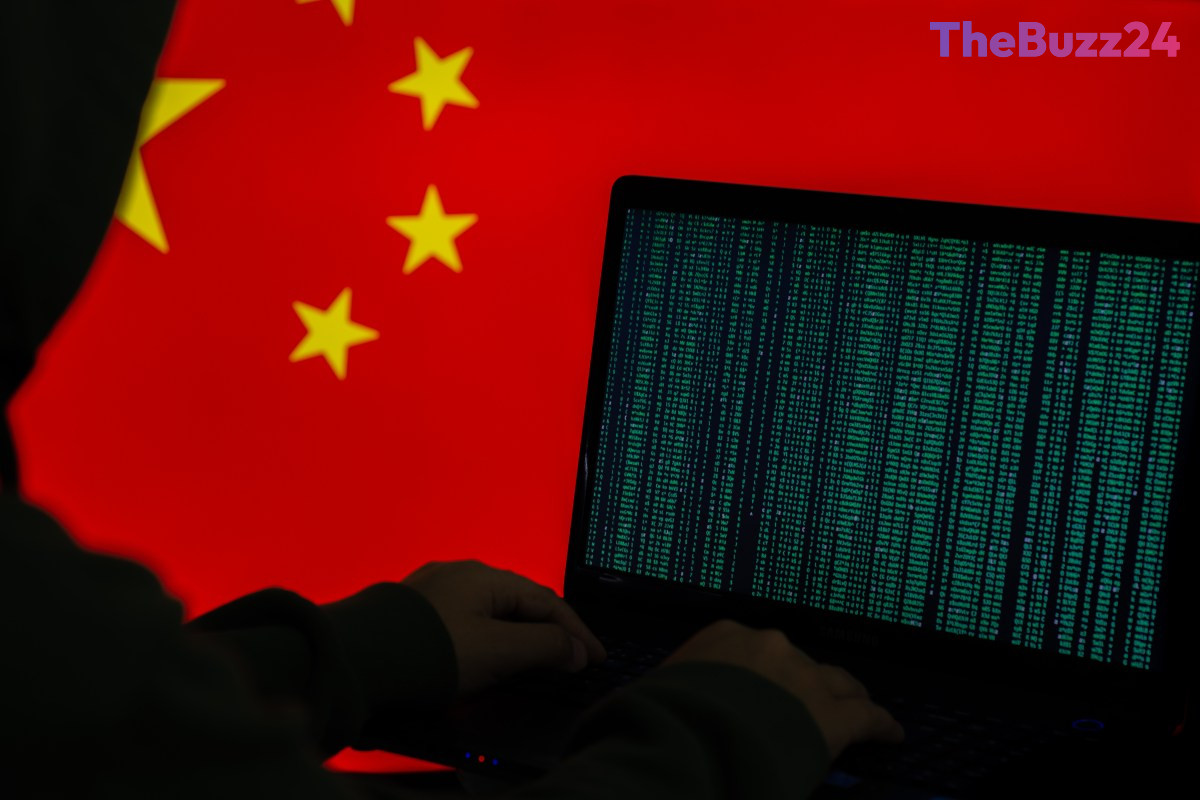
Global Intelligence Agencies Warn of Chinese Espionage Tactics on Professional Networking Platforms
A coalition of international intelligence agencies, including the FBI, MI5, and their counterparts in Australia, Canada, and New Zealand, has issued a formal warning regarding the use of professional networking sites by Chinese intelligence operatives. These actors are reportedly creating sophisticated, fake recruiter profiles to target Western professionals, aiming to extract sensitive military, political, and economic intelligence.
By posing as representatives of legitimate-looking human resources firms or international corporations, these operatives build long-term relationships with individuals who hold security clearances or possess specialized knowledge. The primary targets include military personnel, academics, journalists, and think-tank researchers, particularly those operating within the Indo-Pacific region. The goal is to cultivate these individuals as sources to gain a strategic advantage for Beijing.
While cyber-attacks remain a common tool for state-sponsored espionage, this advisory highlights a shift toward human intelligence gathering through public platforms. Even information that is technically unclassified can be highly valuable when aggregated with other data points to inform policy decisions or gain tactical insights. The intelligence alliance, known as the Five Eyes, emphasizes that these actors are specifically looking for individuals whose professional backgrounds suggest access to non-public information.
In response to these concerns, LinkedIn has reiterated its commitment to platform integrity, noting that the creation of fake accounts is a direct violation of its terms of service. The company maintains that it is actively working to detect and remove state-sponsored actors who attempt to manipulate the platform for espionage purposes.
Key Takeaways
- Chinese intelligence operatives are actively using professional networking sites to recruit sources and gather sensitive information.
- Targets include military personnel, academics, and journalists, with a specific focus on those with access to non-public or strategic data.
- The Five Eyes intelligence alliance warns that even unclassified information is being harvested to build a broader picture for strategic advantage.
Editor’s Analysis & Impact
This advisory marks a significant escalation in how Western governments are addressing the intersection of social media and national security. The shift from purely technical hacking to social engineering on professional platforms demonstrates that the ‘human element’ remains the most vulnerable link in the security chain. For the tech industry, this poses a difficult challenge: balancing the open, networking-focused nature of platforms like LinkedIn with the need to prevent state-sponsored infiltration. Moving forward, we can expect increased pressure on professional networking companies to implement more rigorous identity verification processes. Furthermore, this trend suggests that professionals in sensitive sectors will need to adopt a ‘zero-trust’ approach to unsolicited recruitment outreach, as the sophistication of these fake personas continues to evolve alongside advancements in artificial intelligence.
Frequently Asked Questions
Q: How do these spies identify their targets?
A: Operatives select targets based on their resumes and professional backgrounds, specifically looking for individuals who hold security clearances or work in sectors that provide access to sensitive, non-public information.
Q: Why would spies want unclassified information?
A: Unclassified information can be combined with other data points to create a comprehensive intelligence picture, which can then be used to inform policy decisions or provide a strategic advantage to the state.
Q: What is the Five Eyes alliance?
A: The Five Eyes is an intelligence-sharing alliance consisting of the United States, the United Kingdom, Australia, Canada, and New Zealand.
AI Disclosure: This article is based on verified data and official reports. Our Team and AI have cross-referenced every financial detail with primary sources to ensure total accuracy.
More from this Category