Apple’s App Store Ecosystem Surges to $1.4 Trillion as AI Apps Drive Growth Ahead of WWDC
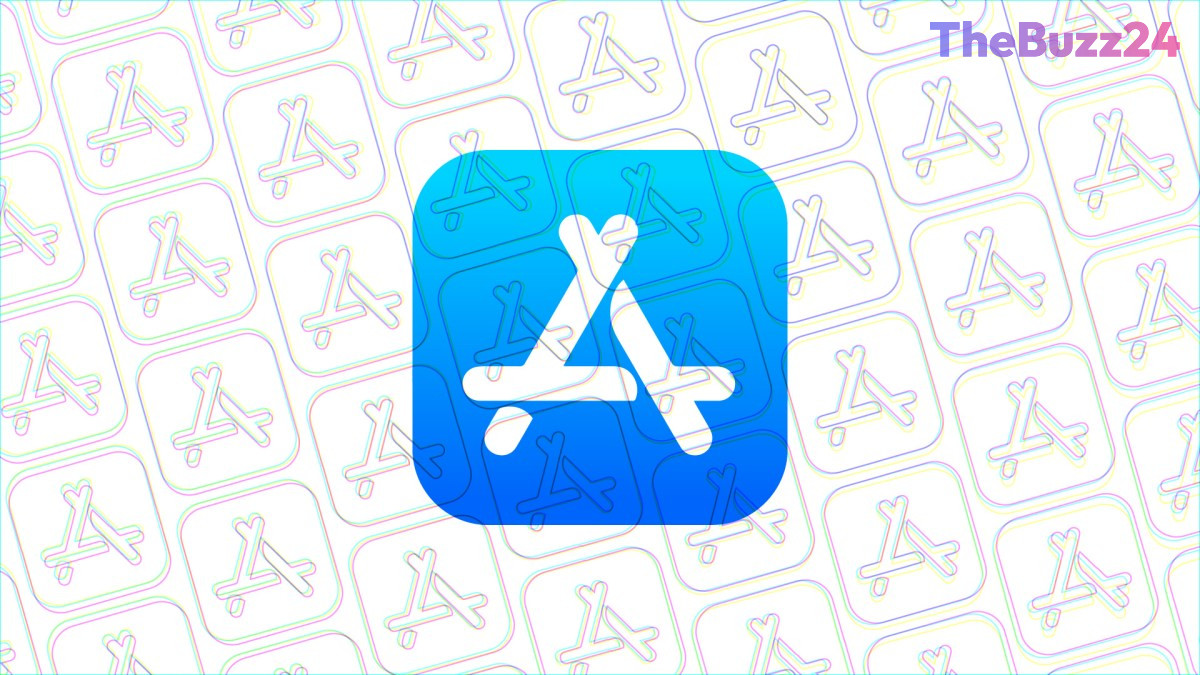
Ahead of its highly anticipated Worldwide Developers Conference (WWDC), Apple has revealed that its App Store ecosystem facilitated a staggering $1.4 trillion in developer billings and sales in 2025. This represents a notable increase from the $1.3 trillion recorded the previous year, highlighting the platform’s massive economic footprint. Apple emphasized that the vast majority of this commerce—approximately 90%—occurred through transactions where developers paid no commission to the tech giant, framing the App Store as a powerful engine for independent business growth.
A closer look at the financial breakdown shows that physical goods and services, such as retail, travel, and food delivery, dominated the ecosystem, accounting for $1.1 trillion of the total. Meanwhile, digital goods and services generated $149 billion, up from $131 billion in the prior year. This digital segment is where Apple collects its standard 15% to 30% commission. Additionally, in-app advertising revenue experienced a slight bump, reaching $151 billion. The platform continues to boast massive global engagement, averaging over 850 million weekly users across 175 countries and regions.
Geographically, the App Store has seen explosive long-term expansion. Over the past six years, billings and sales have more than doubled in China, while more than tripling across the United States and Europe. This growth has been heavily supported by the rise of cutting-edge technologies. Notably, 40 of the top 100 apps on the platform in 2025 featured consumer-facing artificial intelligence capabilities, outperforming their peers in billing growth. This surge in AI adoption comes amid intense speculation that Apple will unveil major AI integrations, including a revamped Siri and potential support for AI agents, at its upcoming developer conference.
Key Takeaways
- The App Store ecosystem facilitated $1.4 trillion in billings and sales in 2025, with 90% of these transactions exempt from Apple's commission.
- Physical goods and services made up the bulk of the ecosystem's volume at $1.1 trillion, while digital goods subject to commissions rose to $149 billion.
- AI-powered applications are emerging as major growth drivers, with 40 of the top 100 apps featuring consumer-facing AI features.
Editor’s Analysis & Impact
Apple’s release of these massive ecosystem figures is a calculated strategic move ahead of WWDC, serving a dual purpose. First, it acts as a shield against ongoing global antitrust scrutiny. By demonstrating that 90% of the $1.4 trillion in commerce bypasses Apple’s commission entirely, the company seeks to counter accusations of monopolistic rent-seeking, positioning itself instead as a benevolent facilitator of global commerce. Second, the prominent highlighting of AI app performance signals Apple’s future direction. As the company prepares to integrate deeper AI capabilities into iOS and Siri, proving that AI apps already drive superior monetization reassures developers that the App Store remains the most lucrative platform for next-generation software. Expect Apple to leverage this momentum to encourage further AI development within its ecosystem.
Frequently Asked Questions
Q: Why does Apple not collect commissions on 90% of the App Store's sales?
A: Apple only charges commissions on digital goods and services purchased directly through the App Store's billing system. Physical goods and services, such as ride-hailing, retail shopping, and food delivery, as well as in-app advertising, are exempt from Apple's commission fees.
Q: How fast is the App Store growing internationally?
A: The App Store has experienced rapid global expansion over the last six years, with billings and sales more than doubling in China and more than tripling in both the United States and Europe.
Q: What role does artificial intelligence play in the App Store's current growth?
A: AI has become a major growth catalyst. In 2025, 40 of the top 100 apps featured consumer-facing AI capabilities, and these applications experienced significantly stronger billing growth compared to non-AI apps in the top tier.
AI Disclosure: This article is based on verified data and official reports. Our Team and AI have cross-referenced every financial detail with primary sources to ensure total accuracy.
More from this Category