Cold Chain Gold Rush: How the GLP-1 Boom is Transforming Global Logistics
The global logistics sector is undergoing a massive transformation, driven by the explosive demand for weight-loss and diabetes medications known as GLP-1 receptor agonists. Pharmaceutical giants like Novo Nordisk and Eli Lilly have seen unprecedented demand for drugs like Ozempic, Wegovy, Mounjaro, and Zepbound. Because these highly specialized, injectable treatments require strict temperature-controlled environments to maintain their efficacy, logistics giants are racing to expand their cold-chain infrastructure. A failure to keep these biologics refrigerated during transit can render them useless, prompting regulatory warnings and forcing shipping companies to invest heavily in specialized storage and transport networks.
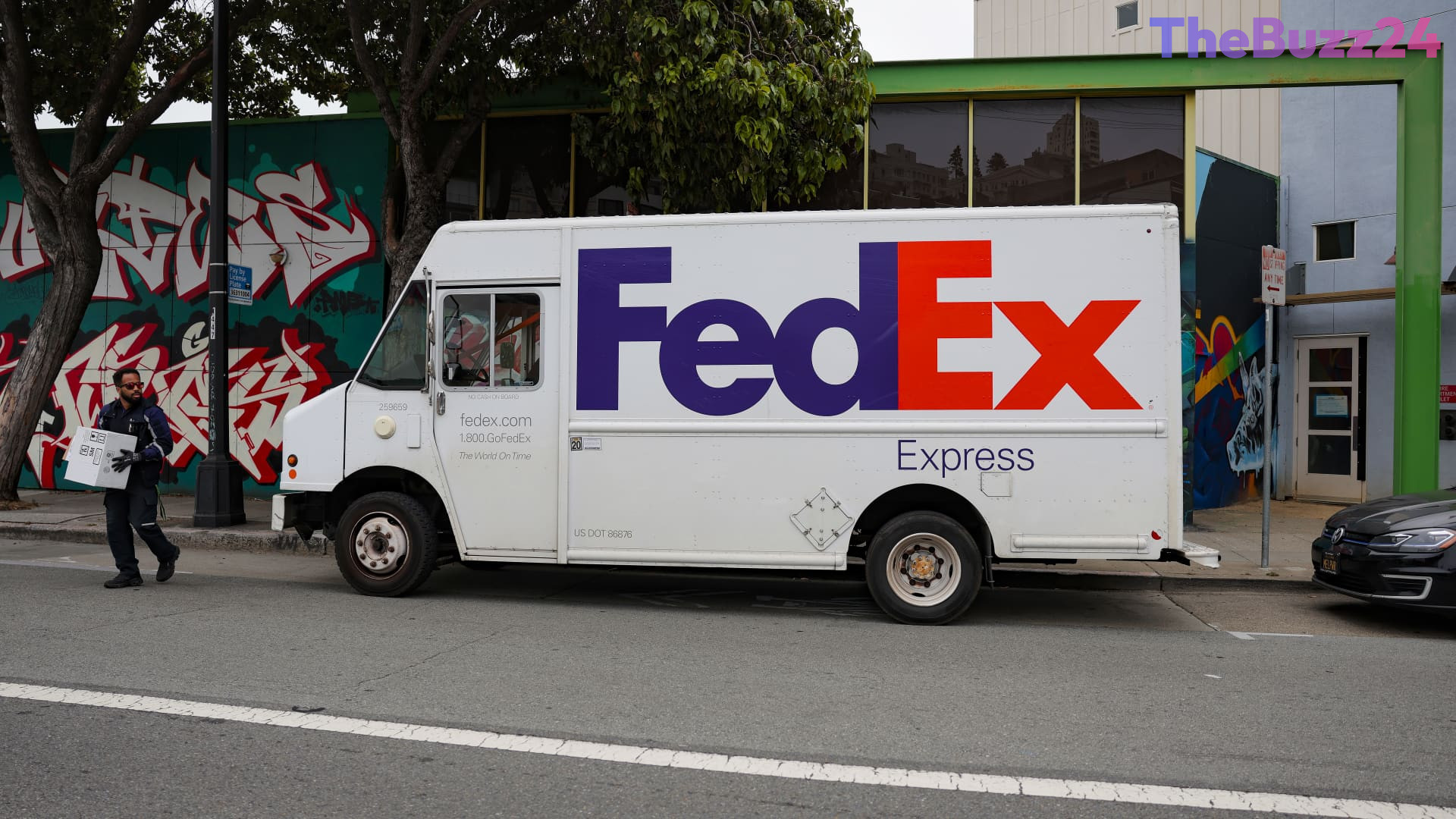
Major shipping players are committing billions of dollars to capture a share of this rapidly growing market. UPS recently announced a $48 million investment to bolster its temperature-controlled facilities, building on a healthcare portfolio that generated its first-ever $3 billion revenue quarter earlier this year. Similarly, FedEx has launched a dedicated life sciences division to streamline pharmaceutical transport, leveraging machine learning and predictive tracking technologies to monitor sensitive shipments. Meanwhile, C.H. Robinson reported surpassing $1 billion in healthcare logistics revenue over the past year, highlighting how the surge in GLP-1 demand is putting unprecedented pressure on existing refrigerated supply chains.
The complexity of modern biopharmaceuticals is also driving technological innovation across the logistics landscape. DHL Supply Chain has committed to investing 2.25 billion dollars in healthcare logistics by 2030, with a significant portion dedicated to the Americas. To manage the intricate requirements of these drugs, DHL is utilizing artificial intelligence to monitor temperatures in real-time and predict potential supply chain disruptions. Additionally, the company has established a dedicated pharmaceutical air corridor to ensure seamless transport across international borders without regulatory friction. As pharmaceutical companies increasingly outsource their warehousing and distribution, the logistics industry is shifting from traditional shipping to highly specialized, end-to-end cold chain management.
Key Takeaways
- The massive popularity of GLP-1 weight-loss and diabetes drugs is driving a major expansion in specialized cold-chain logistics.
- Industry leaders like UPS, FedEx, DHL, and C.H. Robinson are investing billions to upgrade temperature-controlled facilities and integrate advanced tracking technologies like AI.
- Strict temperature requirements for biologics mean that logistics providers must offer flawless, end-to-end visibility to prevent product spoilage.
Editor’s Analysis & Impact
The convergence of biotechnology and logistics represents a highly lucrative frontier for global shipping companies. The GLP-1 boom is not a temporary trend; it is a structural shift in healthcare delivery toward specialized, direct-to-consumer biologics. This shift exposes critical vulnerabilities in traditional supply chains, which are currently facing capacity constraints for refrigerated transport. Logistics companies that successfully integrate artificial intelligence, real-time IoT monitoring, and dedicated pharmaceutical corridors will secure long-term, high-margin contracts with pharmaceutical giants. Conversely, those slow to adapt risk losing market share in what is projected to become a nearly $40 billion market by 2033. Ultimately, this logistics evolution will not only boost corporate revenues but also improve global health outcomes by ensuring life-saving treatments reach patients safely and effectively.
Frequently Asked Questions
Q: Why do GLP-1 medications require specialized logistics?
A: Most injectable GLP-1 drugs, such as Ozempic and Mounjaro, are biologics that must be kept refrigerated. If they are exposed to improper temperatures during shipping, they can lose their efficacy and become unsafe for patients.
Q: How are logistics companies using technology to protect these shipments?
A: Companies are deploying advanced technologies, including artificial intelligence and machine learning, to monitor temperatures in real-time, predict potential transit delays, and ensure end-to-end visibility throughout the supply chain.
Q: What is the projected market value for temperature-sensitive biologics logistics?
A: The demand for temperature-sensitive biologics logistics is projected to grow steadily, with estimates suggesting the market could reach approximately $39.1 billion by 2033.
AI Disclosure: This article is based on verified data and official reports. Our Team and AI have cross-referenced every financial detail with primary sources to ensure total accuracy.
More from this Category