Buffett Advocates for Estate Tax as Berkshire Hathaway Forges New Path in Housing Under Abel
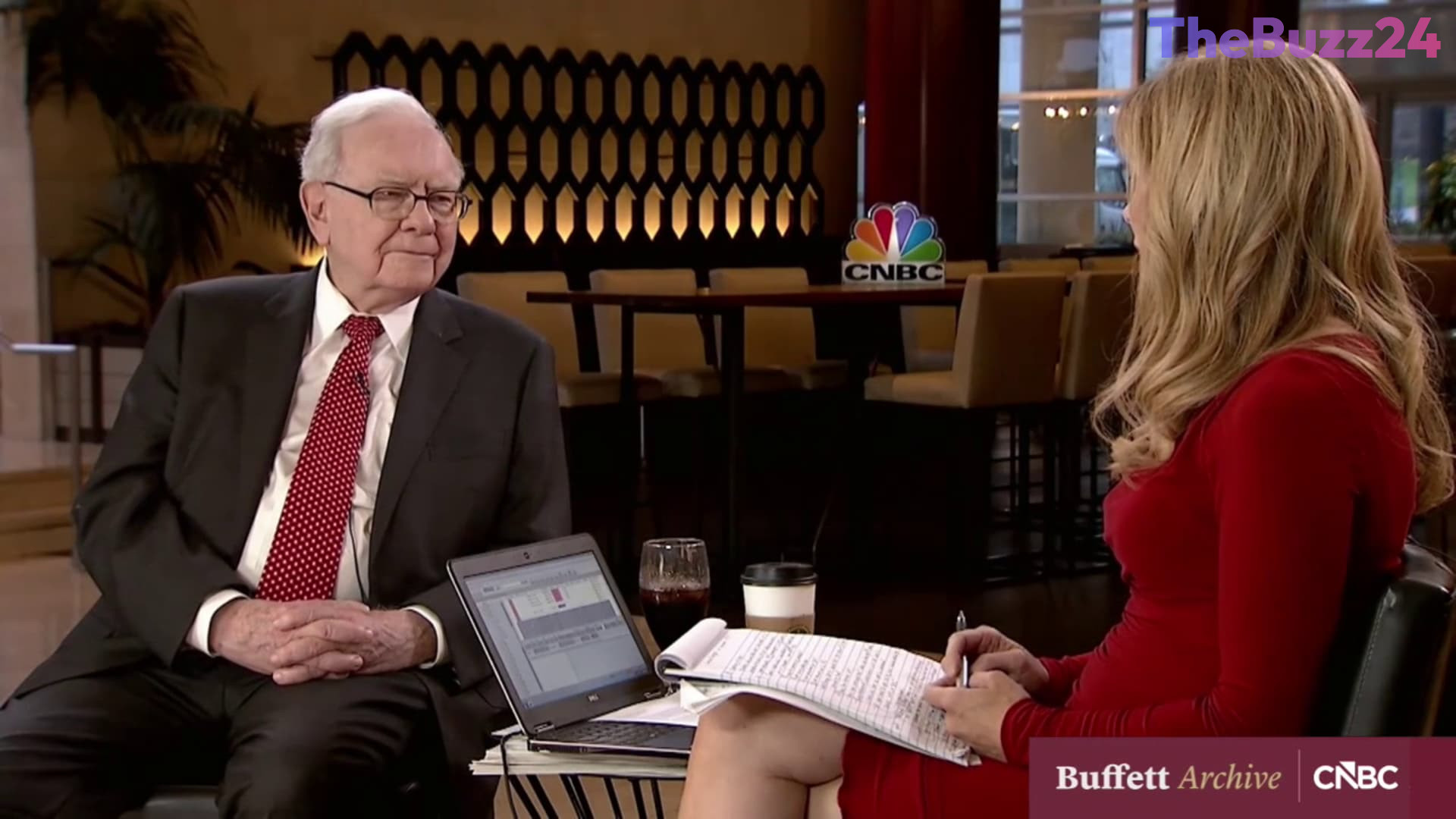
Warren Buffett, the renowned investor and CEO of Berkshire Hathaway, has recently accelerated his annual donations from his substantial Berkshire Hathaway shareholdings to four family foundations. This move has reignited public discussion regarding the role of philanthropy in wealth management, particularly in the context of taxation and societal contribution. Buffett has consistently voiced his belief that he is “under-taxed” relative to the benefits society has provided him, often noting that his secretary faces a higher tax rate when payroll taxes are considered, and capital gains are taxed at a lower rate than ordinary income.
Buffett is a staunch proponent of the estate tax, arguing that it is vital for the intelligent allocation of resources within the United States and to mitigate extreme wealth inequality. He has publicly criticized proposals to eliminate or significantly reduce the estate tax, which he refers to as a “pejorative term” rather than a “death tax.” He contends that allowing vast fortunes to be passed down through generations without significant taxation could lead to the creation of dynastic wealth, where individuals benefit solely from their birthright, potentially hindering true capitalism and societal progress. He once quipped that such unchecked inheritance could enable heirs to “build tombs for themselves like Egyptians pharaohs never dreamt of.”
While advocating for the estate tax, Buffett also holds a nuanced view on the distribution of his own wealth. He believes his children’s foundations are better equipped to allocate philanthropic funds effectively than the federal government. However, he strongly opposes the idea of directly endowing young, unproven heirs with billions, emphasizing that he encouraged his children’s foundation work only after they had matured and demonstrated their capabilities. His concern is rooted in preventing a “dynastic system” where immense wealth is concentrated, arguing it goes against the foundational principles of the country.
In a separate significant development for Berkshire Hathaway, the conglomerate recently finalized its $6.8 billion acquisition of homebuilder Taylor Morrison. This marks the first major deal spearheaded by CEO Greg Abel, signaling a new era of leadership. Abel stated that Taylor Morrison would be central to Berkshire’s vision for a unified site-built homebuilding operation. This acquisition represents a strategic departure from Berkshire’s traditional approach of allowing subsidiaries to operate largely independently, as Taylor Morrison’s brands will be integrated into Berkshire’s Clayton Properties Group to serve various housing market segments.
The acquisition has drawn attention from market analysts, who interpret Berkshire’s substantial investment in Taylor Morrison as a strong indicator that the housing market has reached its bottom and is poised for improvement. Experts suggest that such a move by a sophisticated buyer like Berkshire Hathaway implies confidence in the sector’s future trajectory, potentially encouraging broader investment and growth within the homebuilding industry. Warren Buffett himself lauded Abel’s efficient and smooth execution of the deal, highlighting the seamless transition of leadership in major strategic decisions.
Key Takeaways
- Warren Buffett advocates for a robust estate tax, viewing it as essential for equitable resource allocation and preventing dynastic wealth, despite his personal philanthropic strategies.
- Berkshire Hathaway, under CEO Greg Abel, has completed its $6.8 billion acquisition of homebuilder Taylor Morrison, signaling a strategic shift towards integrated operations.
- The Taylor Morrison acquisition is seen by analysts as an indicator of a strengthening housing market, suggesting it has bottomed out and is set for improvement.
Editor’s Analysis & Impact
Warren Buffett’s continued advocacy for a strong estate tax highlights the persistent societal debate surrounding wealth inequality and its impact on economic structures. His views, coming from one of the world’s wealthiest individuals, carry significant weight and could influence public discourse and future legislative considerations regarding taxation. Concurrently, Berkshire Hathaway’s acquisition of Taylor Morrison under Greg Abel’s leadership marks a notable strategic shift. This move not only signals confidence in the housing market’s recovery but also suggests a more integrated operational approach for Berkshire’s subsidiaries, potentially setting a precedent for future acquisitions and growth strategies within its diverse portfolio. This dual narrative underscores both the enduring philosophical challenges of wealth distribution and the evolving operational dynamics of a global financial powerhouse.
Frequently Asked Questions
Q: What is Warren Buffett's stance on the estate tax?
A: Warren Buffett is a strong advocate for the estate tax, believing it is crucial for intelligent resource allocation and to prevent the concentration of dynastic wealth, despite his own philanthropic strategies to distribute his fortune.
Q: What was Greg Abel's first major acquisition as Berkshire Hathaway CEO?
A: Greg Abel's first major acquisition as CEO of Berkshire Hathaway was the $6.8 billion purchase of homebuilder Taylor Morrison.
Q: How does Berkshire Hathaway's acquisition of Taylor Morrison differ from its usual strategy?
A: Unlike Berkshire's traditional approach of allowing subsidiaries to operate largely independently, the Taylor Morrison acquisition involves integrating its brands into Berkshire's Clayton Properties Group, signaling a strategic shift towards unified operations in the homebuilding sector.
AI Disclosure: This article is based on verified data and official reports. Our Team and AI have cross-referenced every financial detail with primary sources to ensure total accuracy.
More from this Category