Beyond the Hype: How Hello Robot is Bringing Practical Assistance into the Home
While much of the robotics industry is fixated on building flashy, humanoid machines designed to mimic human movement, a California-based startup is taking a more pragmatic approach. Hello Robot, headquartered in Martinez, has recently launched the fourth iteration of its home assistance robot, Stretch. Unlike the maximalist, high-concept robots often showcased in Silicon Valley, Stretch is designed with a focus on utility, safety, and real-world application, prioritizing the immediate needs of users over the pursuit of a perfect humanoid form.
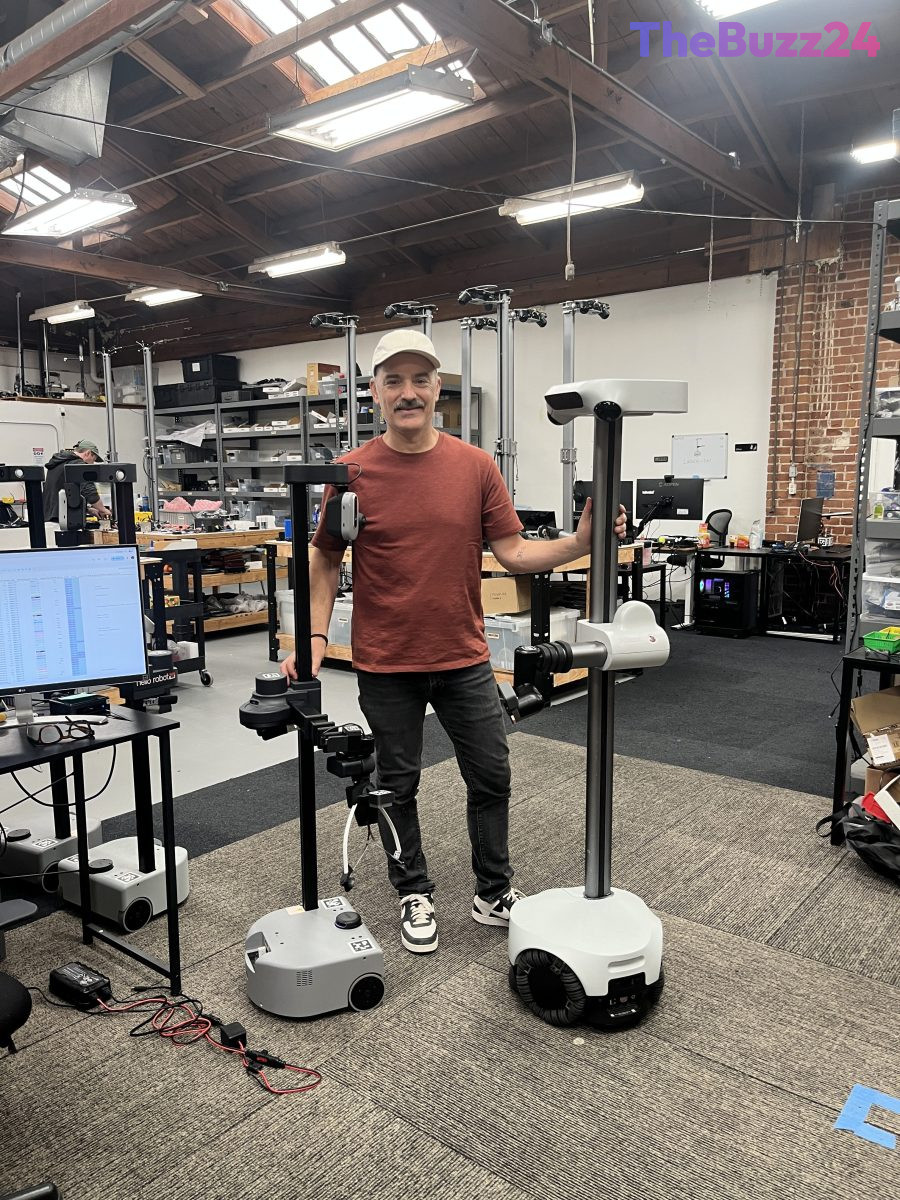
Founded by former Google robotics director Aaron Edsinger and Georgia Tech professor Charlie Kemp, Hello Robot has deliberately avoided the ‘lab-only’ trap. By focusing on deployment in actual homes, the company is gathering critical, site-specific data that many competitors lack. This strategy acknowledges that the true ‘moat’ in the robotics industry is not just intellectual property, but the accumulation of thousands of operating hours in unpredictable, real-world environments. The robot’s design—a telescoping arm on an omnidirectional base—is built to be functional and shippable via standard logistics, keeping it accessible to researchers and individuals alike.
One of the most compelling use cases for Stretch is its role in assisting individuals with mobility challenges. Keith Platt, a board member who lives with quadriplegia, has utilized the robot to regain a significant degree of independence. By controlling the device through a voice-operated interface, Platt can perform daily tasks—such as retrieving a drink or adjusting personal items—without the constant need for human caregivers. This capability highlights the potential for robotics to transform the lives of those with disabilities, offering a level of autonomy that was previously unattainable.
As the industry grapples with the ‘hardware is hard’ reality, where heavy, high-energy robots often pose safety risks in domestic settings, Hello Robot’s cautious, human-in-the-loop design stands out. By pricing the unit at $30,000 and ensuring it is safe to operate around people, the company is positioning itself as a leader in practical physical AI. As they continue to iterate on the Stretch platform, the focus remains on bridging the gap between sophisticated AI algorithms and the physical data required to make home robotics a standard, safe reality.
Key Takeaways
- Hello Robot’s Stretch prioritizes practical, safe, and affordable home assistance over the complex, often unproven humanoid designs favored by competitors.
- The company emphasizes 'human-in-the-loop' operation, allowing users with mobility challenges to perform daily tasks independently.
- By deploying robots in real-world homes, Hello Robot is accumulating valuable operational data that is essential for the future development of physical AI.
Editor’s Analysis & Impact
The robotics sector is currently undergoing a shift from theoretical AI research to physical deployment. Hello Robot’s strategy reflects a growing consensus that the ‘winner’ in the home robotics space will not necessarily be the company with the most advanced humanoid, but the one that solves the ‘data problem’ through real-world interaction. By focusing on accessibility and safety, Hello Robot is effectively building a foundation for long-term market dominance in the assistive technology space. The broader implication is that the future of robotics lies in specialized, reliable tools that integrate into existing human workflows rather than attempting to replace human labor entirely. As hardware costs continue to decline and AI models improve, companies that have already established a footprint in domestic environments will have a significant competitive advantage in training future generations of autonomous systems.
Frequently Asked Questions
Q: How does the Stretch robot differ from other humanoid robots?
A: Unlike humanoid robots that focus on mimicking human anatomy, Stretch uses a simpler, more functional design with a telescoping arm and a wheeled base, prioritizing safety and ease of use in home environments.
Q: Who is the primary target audience for the Stretch robot?
A: The robot is designed for a diverse range of users, including researchers testing AI, enterprise clients in data centers, and individuals with mobility challenges who require assistance with daily tasks to maintain independence.
AI Disclosure: This article is based on verified data and official reports. Our Team and AI have cross-referenced every financial detail with primary sources to ensure total accuracy.
More from this Category