Global Mangrove Forests Stage an Unexpected Comeback After Decades of Decline
For decades, environmental research surrounding the world’s coastal ecosystems was defined by a grim narrative of loss and degradation. However, a comprehensive analysis of multi-decadal satellite imagery reveals a dramatic shift in momentum. Around 2010, a global rebound in mangrove forests began taking root, driven by natural expansion, active restoration projects, and stronger protective legislation across key regions in Asia, Australia, and South America.
Researchers examining satellite data collected between 1984 and 2023 documented a staggering turning point. While the planet suffered losses totaling nearly 3,000 square kilometers in the decades leading up to 2010, the trend abruptly reversed. In the years following, the world witnessed an unexpected net increase of nearly 2,000 square kilometers of mangrove canopies. Furthermore, these forests are frequently showing denser, healthier canopies than they did previously, signaling improved ecological resilience, particularly in South America.
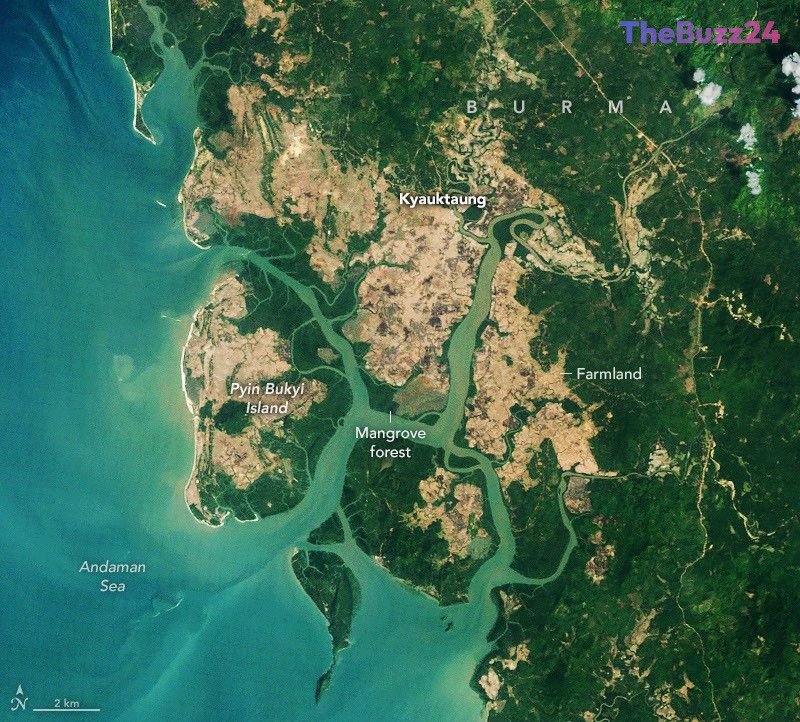
Among the most remarkable reversals has taken place in Southeast Asia, specifically in Burma. Decades of heavy exploitation for agriculture, aquaculture, and firewood had devastated the nation’s coastal trees. Yet, heightened awareness following historical natural disasters, paired with increased sedimentation creating new mudflats, catalyzed a significant recovery. Abandoned agricultural plots have slowly transitioned back into thriving ecosystems, supported by grassroots conservation efforts and localized tree-planting initiatives.
Despite these encouraging milestones, environmental experts emphasize that the global turnaround should not breed complacency. Significant challenges persist, including localized deforestation in parts of West Africa and severe cyclone damage in North America and southern Africa. Nevertheless, the recent resurgence highlights how targeted conservation policies combined with natural regenerative processes can yield profound positive impacts for the planet’s coastal defense and carbon sequestration goals.
Key Takeaways
- Satellite data spanning nearly four decades reveals an unexpected global rebound in mangrove forests starting around 2010.
- The recovery includes a net increase of nearly 2,000 square kilometers of mangrove coverage, reversing previous decades of sharp decline.
- Regions such as Southeast Asia and South America led the resurgence through natural expansion, sediment deposition, and active restoration.
Editor’s Analysis & Impact
The unexpected global resurgence of mangrove forests marks a rare and encouraging milestone in modern environmental science. For years, climate analysts viewed coastal deforestation as an inevitable casualty of economic development and agricultural expansion. This new data proves that proactive legal frameworks, combined with nature’s capacity for regeneration, can effectively reverse long-term ecological damage. From a market and industry perspective, the revival of these carbon-dense ecosystems strengthens the viability of blue-carbon credit markets and enhances natural coastal infrastructure against extreme weather events. However, experts correctly caution that localized losses in regions like West Africa and cyclone-hit zones demonstrate that the fight is far from over. Future policy must leverage these successful frameworks to protect newly established canopies and scale up restoration initiatives globally.
Frequently Asked Questions
Q: When did the global rebound of mangrove forests begin?
A: Scientific analysis indicates that the global turnaround began around 2010, following decades of continuous decline driven by agricultural and urban expansion.
Q: What are the main ecological benefits of mangrove forests?
A: Mangroves store up to four times as much carbon as typical inland tropical forests, protect coastal communities from storm surges and erosion, and provide essential nursery habitats for marine life.
Q: Are mangrove forests recovering everywhere around the world?
A: No. While regions in Asia, Australia, and South America have seen significant gains, other areas like the Niger Delta and parts of North America have experienced continued losses due to deforestation and severe tropical cyclones.
AI Disclosure: This article is based on verified data and official reports. Our Team and AI have cross-referenced every financial detail with primary sources to ensure total accuracy.
More from this Category