Global Oil Markets Surge as U.S. Rejects Iranian Strait of Hormuz Proposal
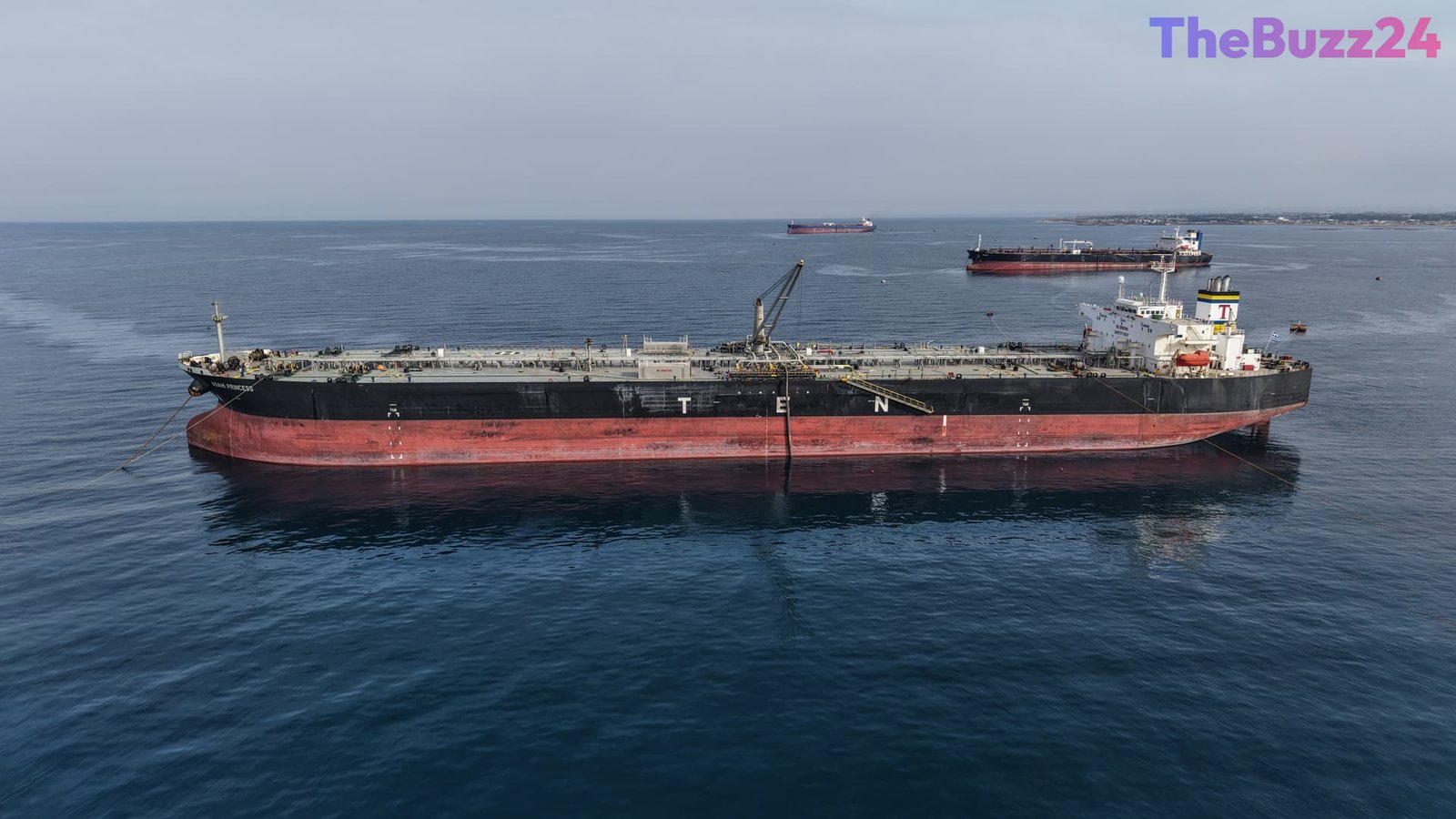
Global oil prices experienced a significant rally on Monday, climbing more than 4% following the rejection of a diplomatic proposal from Iran. The tension centers on the strategically vital Strait of Hormuz, a critical chokepoint for international energy supplies, which remains a focal point of the ongoing geopolitical standoff.
International benchmark Brent crude futures surged to $108.48 per barrel, marking its highest valuation since mid-September. Simultaneously, U.S. West Texas Intermediate futures saw a comparable 4% increase, reaching $96.16 per barrel. This market volatility follows confirmation from the White House that a conditional offer from Tehran—which included reopening the shipping lane and resuming nuclear negotiations—was formally declined.
Iranian officials had proposed a seven-day timeline to restore access to the Strait of Hormuz, provided that the U.S. ceased what Tehran labeled as acts of aggression, lifted naval blockades, and released frozen Iranian assets. However, the administration has signaled a firm stance, with reports suggesting that military operations may intensify following the upcoming midterm elections. The situation is further complicated by ongoing regional instability, including recent projectile interceptions involving Iran-backed Houthi rebels.
Energy analysts warn that the market is currently operating on thin margins, relying heavily on existing inventories. With the prospect of renewed hostilities looming after the midterm cycle, traders are increasingly pricing in a prolonged period of supply uncertainty, which continues to exert upward pressure on global energy costs.
Key Takeaways
- Brent crude and WTI futures both rose by over 4% following the breakdown in diplomatic talks between the U.S. and Iran.
- Iran's offer to reopen the Strait of Hormuz was contingent on the lifting of economic sanctions and naval blockades, terms the U.S. administration rejected.
- Market analysts express concern that global oil inventories are insufficient to buffer against a potential escalation of conflict following the U.S. midterm elections.
Editor’s Analysis & Impact
The current spike in oil prices underscores the extreme sensitivity of global energy markets to developments in the Strait of Hormuz. As a primary artery for global oil transit, any threat to this passage creates immediate inflationary pressure. The market’s reaction reflects a ‘risk-off’ sentiment, as investors fear that the post-midterm election period could trigger a significant escalation in U.S.-Iran military engagement. The reliance on existing inventories suggests that the global economy is currently ill-equipped to handle a sustained supply disruption. Moving forward, the energy sector will likely remain volatile, with prices tethered to diplomatic rhetoric and military posturing. If the conflict persists, we may see a shift in long-term energy security strategies as nations look to diversify supply chains away from high-risk geopolitical zones.
Frequently Asked Questions
Q: Why is the Strait of Hormuz important to oil prices?
A: The Strait of Hormuz is one of the world's most important oil chokepoints, as a significant percentage of the world's total petroleum consumption passes through this narrow waterway daily.
Q: What were the conditions set by Iran for reopening the strait?
A: Iran requested an end to U.S. military aggression, the removal of naval blockades, the cessation of economic warfare, and the release of frozen Iranian assets.
AI Disclosure: This article is based on verified data and official reports. Our Team and AI have cross-referenced every financial detail with primary sources to ensure total accuracy.
More from this Category