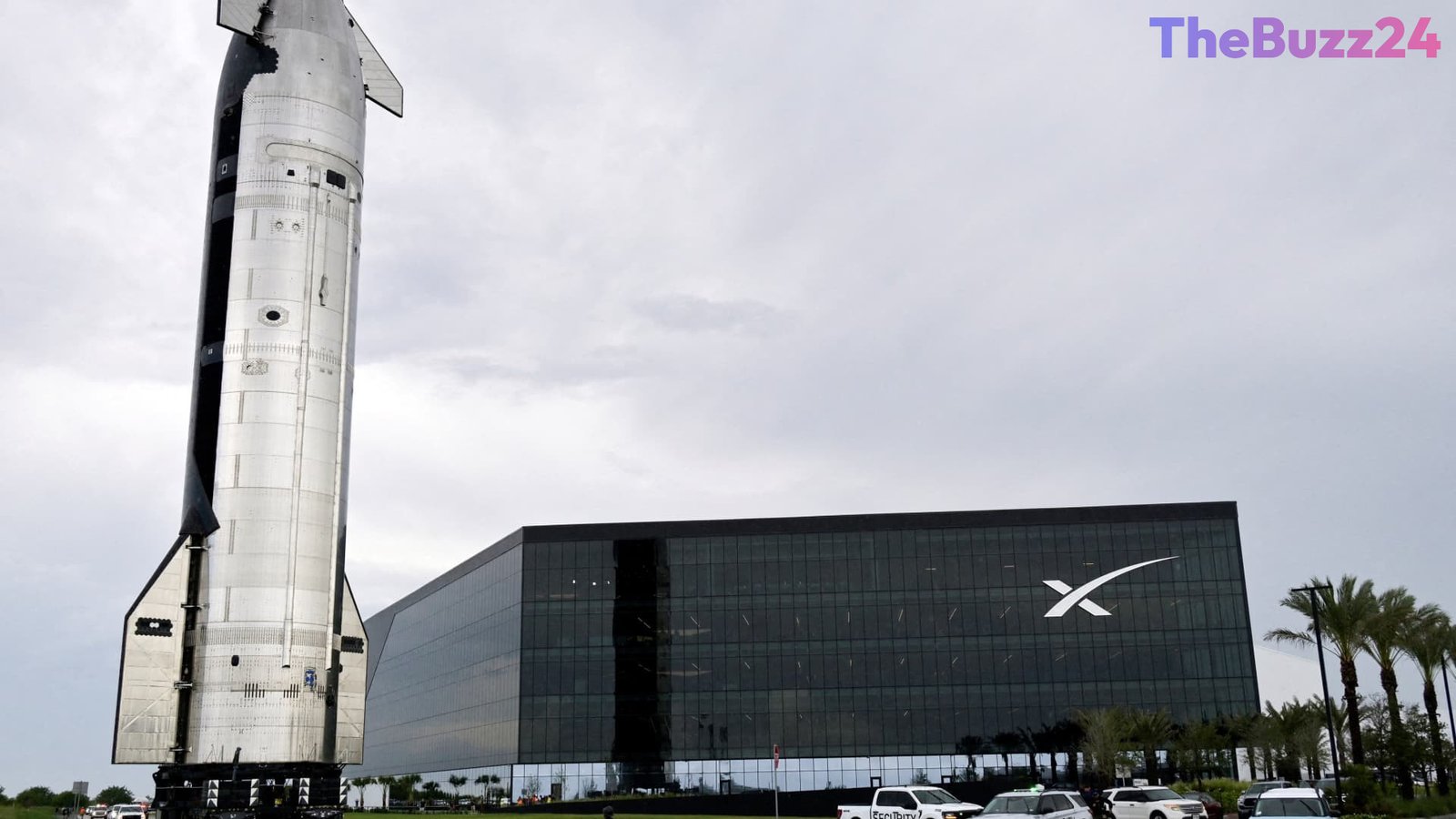
SpaceX Poised for Historic First Orbital Starship Mission
SpaceX is preparing for a landmark test flight of its Starship rocket, marking the first time the company will attempt to reach orbit with its massive launch vehicle. Scheduled for an early Monday launch from Starbase, Texas, the mission represents a significant milestone in the company’s aerospace development. The Federal Aviation Administration has officially granted the necessary license for the launch and reentry operations, clearing the path for the 14th test flight of the Starship Super Heavy system.
Beyond the technical achievement of reaching orbit, this mission serves a strategic operational purpose. SpaceX intends to deploy 26 of its latest Starlink V3 satellites during the flight. These new units, manufactured in Redmond, Washington, feature enhanced solar arrays that double the power generation of previous models, allowing for faster data transmission to the growing global subscriber base. The success of this launch is vital for scaling the Starlink network, which currently stands as the company’s most profitable business segment.
Looking ahead, the Starship program is central to broader ambitions, including a high-profile NASA mission scheduled for next year that aims to return U.S. astronauts to the lunar surface. Furthermore, the company is exploring future applications for the platform, such as deploying advanced AI compute satellites by 2027. With its fully reusable design, Starship is engineered to reduce the cost of orbital cargo delivery, positioning SpaceX to maintain its lead in the competitive satellite internet and space exploration markets.
Key Takeaways
- SpaceX is attempting its first orbital flight with the Starship rocket, following FAA authorization for the mission.
- The flight will carry 26 next-generation Starlink V3 satellites, which offer increased power and faster data speeds.
- Starship is a cornerstone of SpaceX's future, supporting upcoming NASA lunar missions and long-term plans for space-based AI computing.
Editor’s Analysis & Impact
The successful orbital deployment of Starship would represent a paradigm shift in the aerospace industry. By achieving full reusability and significantly lowering the cost-per-kilogram to orbit, SpaceX is effectively creating an economic moat that competitors like Eutelsat OneWeb will struggle to bridge. The integration of high-capacity V3 satellites into the Starlink constellation suggests that SpaceX is transitioning from a basic internet provider to a critical global infrastructure backbone. Furthermore, the company’s stated intent to launch ‘AI compute satellites’ indicates a pivot toward space-based edge computing, which could redefine data processing latency and security. As SpaceX continues to scale, its dominance in both the launch market and the satellite internet sector will likely force a consolidation among smaller aerospace firms and influence national space policies globally.
Frequently Asked Questions
Q: What is the primary goal of the upcoming Starship test flight?
A: The primary goal is to successfully reach orbit for the first time and deploy 26 new Starlink V3 satellites.
Q: Why is the Starship rocket considered a game-changer for SpaceX?
A: Starship is designed to be fully reusable and capable of lifting significantly more cargo into orbit at a lower cost than any previous spacecraft, which is essential for scaling the Starlink network and supporting lunar missions.
AI Disclosure: This article is based on verified data and official reports. Our Team and AI have cross-referenced every financial detail with primary sources to ensure total accuracy.
More from this Category