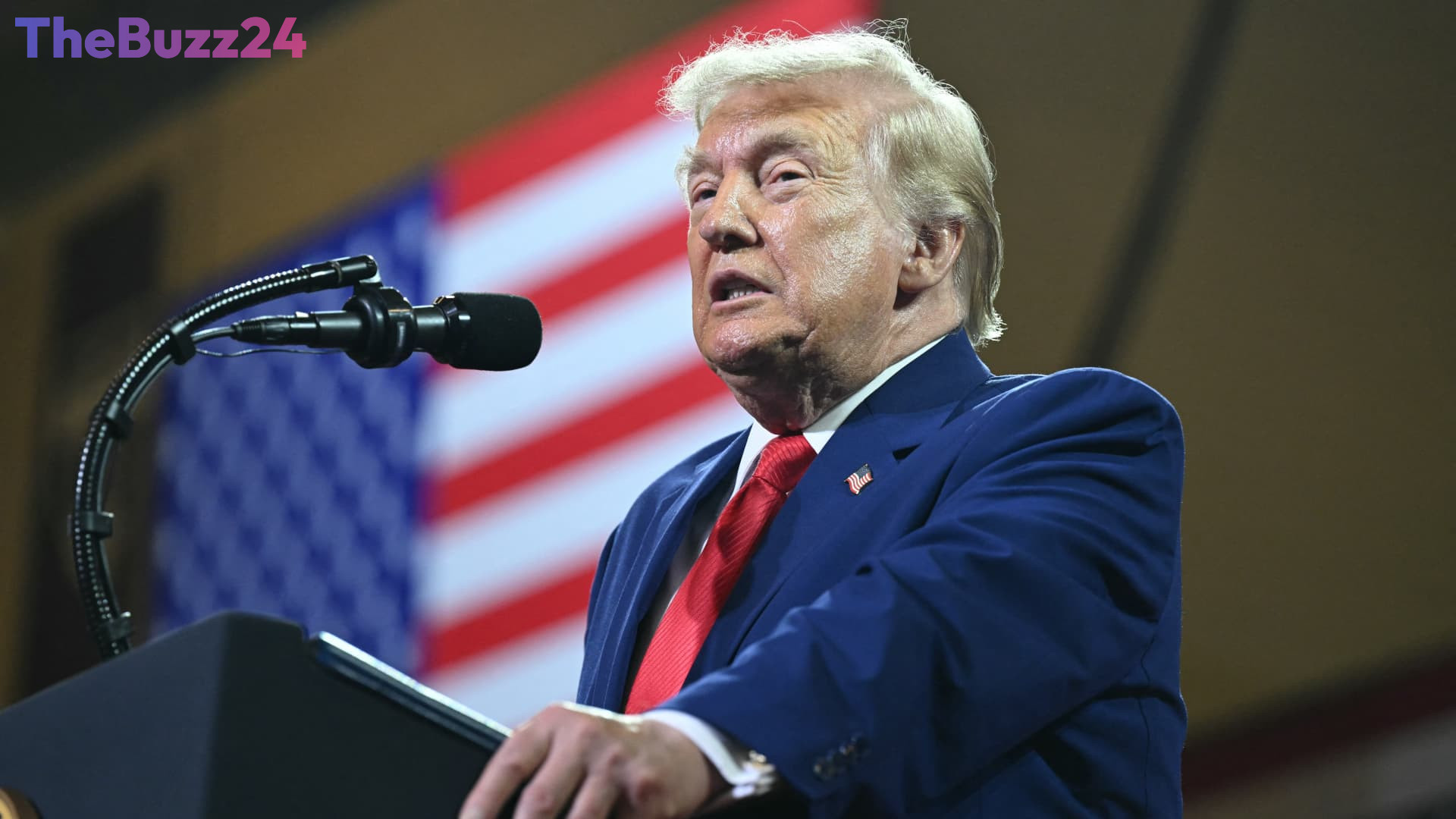
Global Trade Partners Push Back Against Trump’s New Forced-Labor Tariffs
Several key international trading partners have voiced strong opposition to the new global tariffs imposed by the Trump administration, challenging the stated justification of combating forced labor. Countries from Australia to Brazil have rejected the rationale, viewing the move as a strategic effort to pressure nations into adopting U.S. import bans on goods produced under forced labor conditions, particularly those originating from China. Analysts suggest this initiative also aims to re-establish a tariff framework that had been previously invalidated by the Supreme Court.
The U.S. Trade Representative’s Office initiated these tariffs under Section 301 of the Trade Act of 1974, affecting approximately 60 of the United States’ top trading partners, which account for nearly all American imports. The tariffs are set at 10% for countries that have implemented or committed to import bans on forced-labor goods, and 12.5% for those that have not. This measure serves as a replacement for a temporary global tariff that is set to expire, providing a more legally robust foundation for baseline tariffs after the Supreme Court’s ruling on emergency-powers tariffs earlier this year.
Reactions from affected nations have been largely critical. Australia’s Trade Minister Don Farrell stated the tariffs are “unjustified” and inconsistent with their free trade agreement, emphasizing Australia’s own stringent measures against forced labor. Brazil’s government labeled the duties “arbitrary,” with President Luiz Inácio Lula da Silva indicating a willingness to negotiate but also a readiness to seek alternative markets if necessary. Chile’s government asserted that the U.S. measure contradicts its labor standards and the evidence provided, noting that the resolution does not accuse Chile of exporting goods made with forced labor. Canada, while in a lower tariff tier with exemptions, adopted a more conciliatory tone, sharing the U.S. objective on forced labor and signaling continued constructive engagement.
Despite the widespread criticism, no major trading partner has yet announced retaliatory measures. The overarching sentiment among observers is that the tariffs are less about enforcing labor standards and more about extending the U.S. ban on Chinese goods and reconstructing a tariff system that faced legal challenges. This complex trade maneuver is expected to shape ongoing international trade relations and policy discussions.
Key Takeaways
- Global trading partners are rejecting the forced-labor justification for new U.S. tariffs, viewing them as a tool to enforce U.S. import bans and rebuild a challenged tariff regime.
- The tariffs impact 60 major U.S. trade partners, with rates set at 10% or 12.5% based on their adoption of forced-labor import bans.
- Despite criticism from countries like Australia and Brazil, no major countermeasures have been announced, though negotiations are expected.
Editor’s Analysis & Impact
The Trump administration’s imposition of global tariffs, framed around combating forced labor, represents a significant shift in trade policy, moving beyond traditional trade disputes to enforce specific import restrictions. The strong rebukes from international partners highlight the tension between U.S. unilateral actions and established trade norms. While the administration seeks to leverage legal avenues to maintain tariff structures, trading nations appear inclined towards negotiation rather than immediate retaliation, suggesting a complex diplomatic and economic standoff. The long-term implications could involve a recalibration of global supply chains and a potential increase in trade friction if diplomatic channels fail to resolve these disputes.
Frequently Asked Questions
Q: What is the primary justification given by the U.S. for these new tariffs?
A: The U.S. administration states that the tariffs are imposed due to the failure of its trading partners to adequately enforce bans on goods produced with forced labor.
Q: Why are some analysts skeptical of the forced-labor rationale?
A: Analysts suggest the tariffs are a strategic move to pressure other countries into adopting U.S. import bans on Chinese goods and to re-establish a tariff system that had been legally challenged and struck down by the Supreme Court.
Q: Have any countries announced retaliatory tariffs in response?
A: As of the latest reports, no major trading partner has announced countermeasures or retaliatory tariffs against the U.S. in response to these new duties.
AI Disclosure: This article is based on verified data and official reports. Our Team and AI have cross-referenced every financial detail with primary sources to ensure total accuracy.
More from this Category