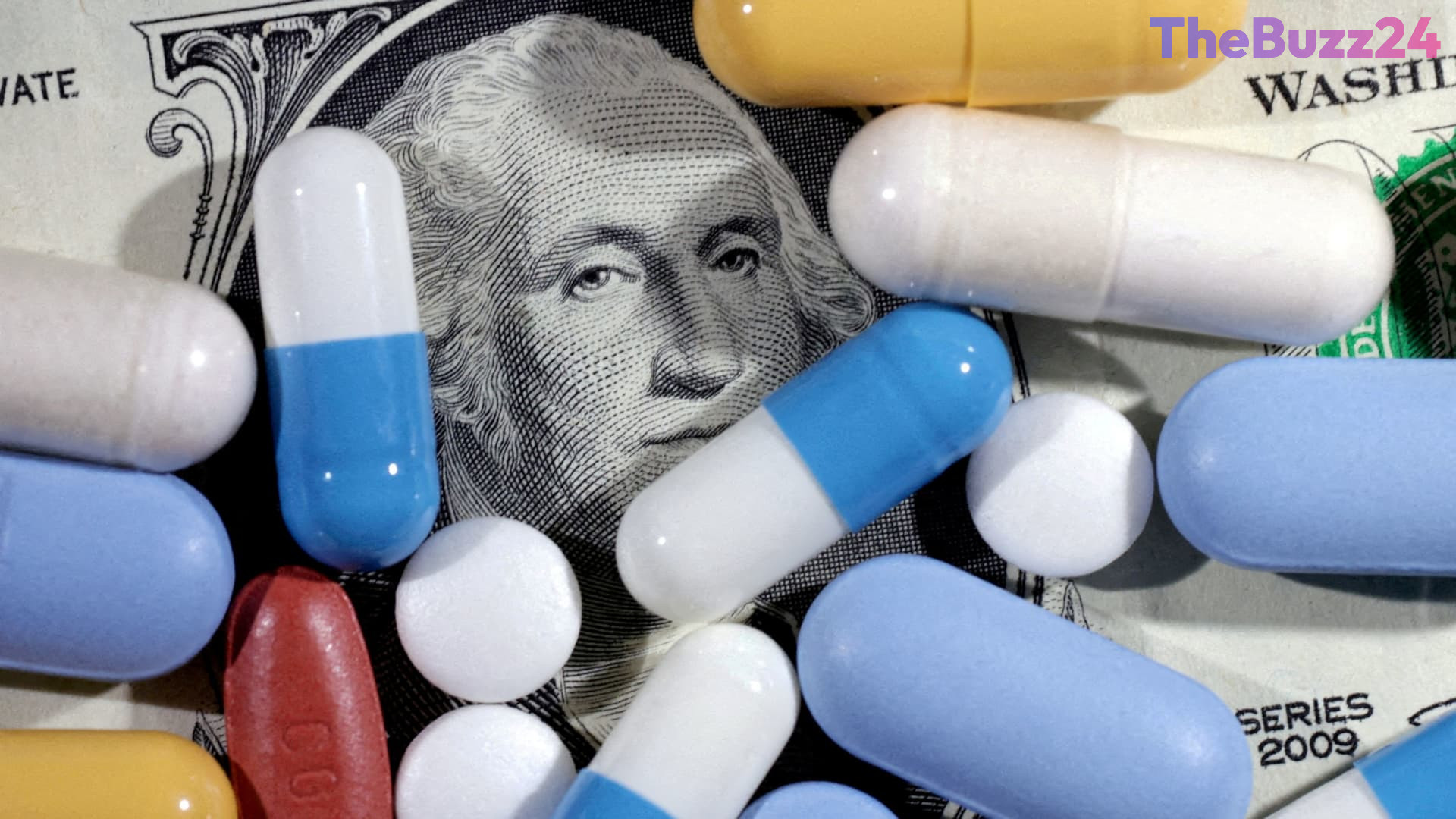
Upcoming Tariffs on Generic Drugs Threaten U.S. Healthcare Costs, Pharma Executives Warn
Proposed trade levies on imported generic medications are drawing sharp warnings from industry leaders, who caution that the financial burden will inevitably fall on American patients. Under the outlined policy, generic drugs entering the United States will initially face a two-year grace period with zero tariffs, beginning August 1. However, the levies are scheduled to escalate dramatically to 100% by August 2028, and double to 200% the following year. This aggressive fiscal strategy is designed to incentivize domestic manufacturing and bring pharmaceutical production back to U.S. soil, where generic prescriptions account for the vast majority of filled orders.
Industry experts and corporate executives point out that the generic pharmaceutical sector operates on exceptionally thin profit margins, making it virtually impossible for companies to absorb such heavy duties. Erez Israeli, chief executive of Indian pharmaceutical firm Dr. Reddy’s Laboratories, noted that the resulting price hikes for consumers would directly mirror the magnitude of the imposed tariffs. Indian manufacturers currently supply nearly half of all generic medications consumed in the United States, playing a critical role in keeping healthcare affordable for millions of patients.
Despite the long-term goal of onshoring production, pharmaceutical representatives argue that relocating manufacturing operations to the United States is economically unviable and logistically unrealistic in the short term. Building out the necessary infrastructure and securing approvals would realistically take between four and seven years, far longer than the initial two-year window provided. Furthermore, higher operational and labor costs in the U.S. mean that producing low-margin generic drugs domestically remains impractical, suggesting that the tariffs may ultimately drive up medication costs rather than successfully relocating the industry.
Key Takeaways
- Proposed tariffs on imported generic drugs plan to start with a two-year zero-tariff period before escalating to 100% and 200% by 2028 and 2029.
- Industry leaders warn that generic profit margins are too thin to absorb the taxes, forcing costs onto American patients.
- Relocating generic manufacturing to the U.S. could take four to seven years and remains economically unviable due to high domestic production costs.
Editor’s Analysis & Impact
The proposed tariff structure on generic pharmaceuticals represents a high-stakes gamble between trade policy and healthcare economics. While the administration’s intent is to bolster domestic manufacturing and secure the national supply chain for critical medications, the immediate economic reality of the generic drug market makes rapid onshoring unlikely. Because generic medications are high-volume, low-margin products, the introduction of 100% to 200% tariffs cannot be easily absorbed by manufacturers. Instead, the policy is likely to trigger significant price inflation for consumers across the United States. Furthermore, the immense capital requirements and regulatory timelines required to build out pharmaceutical manufacturing infrastructure domestically mean that foreign suppliers will likely remain dominant in the medium term, passing the tariff burden directly onto healthcare systems and patients.
Frequently Asked Questions
Q: Why are tariffs being imposed on generic drugs?
A: The tariffs are designed to encourage pharmaceutical companies to move their manufacturing operations back to the United States, thereby onshoring the production of essential medications that make up the vast majority of U.S. prescriptions.
Q: How long will the transition period last before tariffs take effect?
A: Imported generic drugs will face zero tariffs for an initial two-year period starting August 1, before a 100% levy takes effect in August 2028 and rises to 200% the following year.
Q: Can pharmaceutical companies easily move generic manufacturing to the U.S.?
A: Industry executives state that moving operations to the U.S. is not feasible within a two-year timeframe, estimating that the complex process would realistically take four to seven years due to high domestic production costs and infrastructure requirements.
AI Disclosure: This article is based on verified data and official reports. Our Team and AI have cross-referenced every financial detail with primary sources to ensure total accuracy.
More from this Category