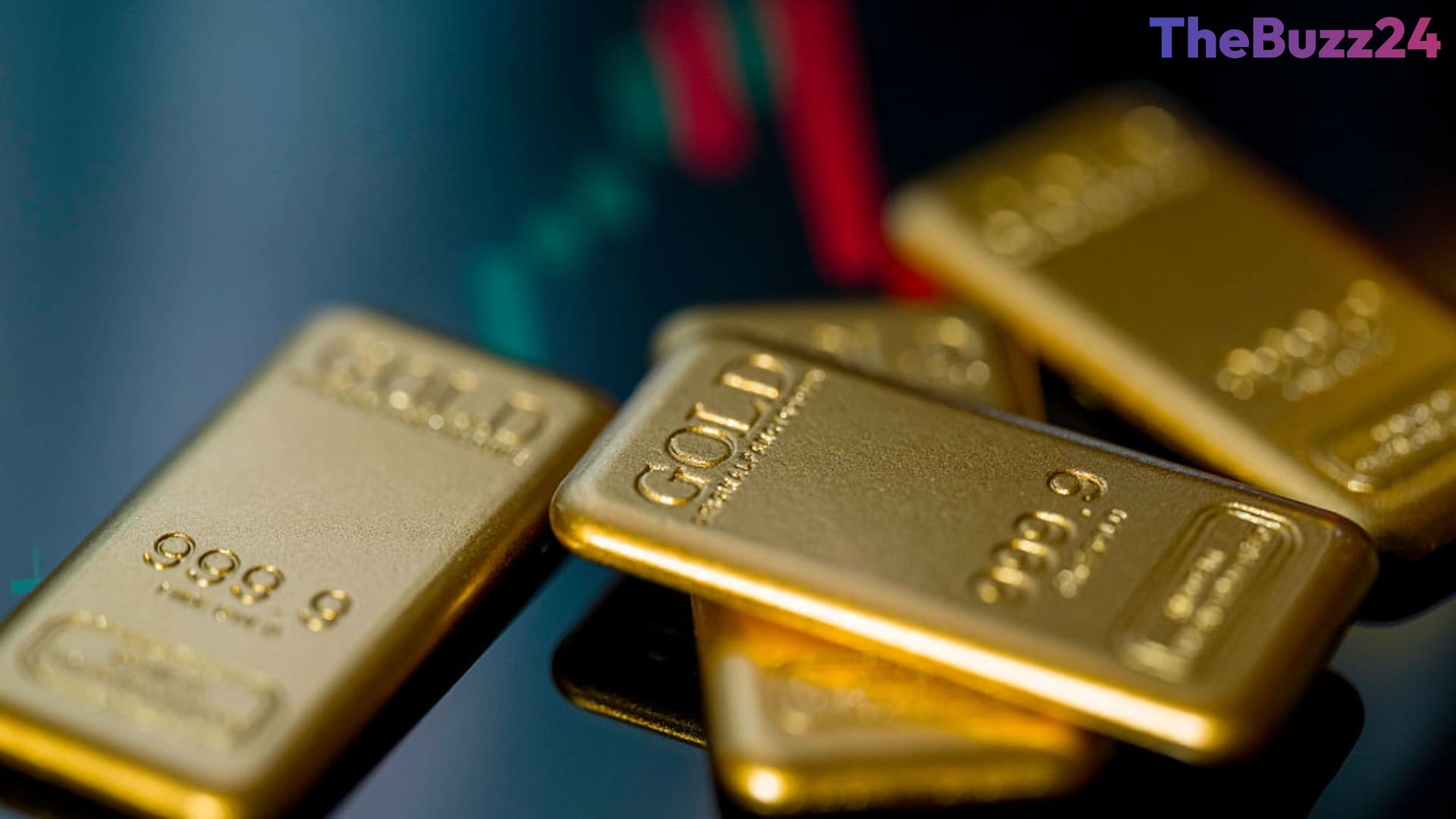
Gold Markets Stabilize Following Historic Quarterly Decline
Gold prices showed signs of recovery on Wednesday, moving into positive territory after enduring their most significant quarterly decline in over a decade. The precious metal, which faced intense selling pressure throughout the second quarter of 2026, saw a modest rebound as investors reassessed the asset’s value following a sharp drop from its January record highs.
During the three-month period ending June 30, gold experienced a roughly 16% decline, marking its worst quarterly performance since 2013. This downturn was largely driven by a shift in market sentiment regarding Federal Reserve interest rate policies. As economic data remained resilient and the U.S. dollar strengthened, the appeal of non-yielding assets like gold diminished, causing prices to retreat from the all-time high of $5,586.20 reached earlier this year.
Despite the recent volatility, market experts suggest that gold remains a vital component of a diversified investment strategy. Factors such as persistent inflation, rising global public debt, and a concerted effort by central banks to diversify their reserves away from dollar-based assets are expected to provide a floor for gold prices. Institutional outlooks indicate that while the near-term environment may involve further consolidation, the structural demand for precious metals remains intact as investors seek protection against geopolitical uncertainty and shifting monetary policy landscapes.
Key Takeaways
- Gold prices rebounded slightly after suffering a 16% loss in the second quarter of 2026, the worst performance in 13 years.
- The decline was primarily fueled by stronger-than-expected U.S. economic data and a less dovish outlook on Federal Reserve interest rate hikes.
- Long-term support for gold persists due to central bank diversification, global debt concerns, and the need for portfolio hedging against inflation.
Editor’s Analysis & Impact
The recent correction in gold prices highlights the sensitivity of non-yielding assets to real interest rates and macroeconomic data. While the ‘safe-haven’ narrative was temporarily overshadowed by a strong dollar and hawkish monetary expectations, the fundamental drivers for gold—specifically central bank accumulation and debt sustainability concerns—remain robust. The market is currently in a transition phase, moving from a period of speculative highs to a more grounded valuation. Looking ahead, gold is likely to serve as a critical hedge against the ‘new regime’ of volatile inflation and challenged central bank independence. Investors should expect continued consolidation in the short term, but the structural case for gold as a portfolio stabilizer remains compelling as traditional asset correlations continue to shift.
Frequently Asked Questions
Q: Why did gold prices drop so significantly in the second quarter of 2026?
A: The decline was largely driven by a combination of stronger-than-expected U.S. economic data, a firmer dollar, and a shift in market expectations toward higher interest rates, which makes non-yielding assets like gold less attractive.
Q: Is gold still considered a good investment despite the recent losses?
A: Many analysts maintain that gold remains a key portfolio diversifier. Factors such as central bank gold accumulation, concerns over global public debt, and the need for protection against inflation are expected to support demand in the coming months.
AI Disclosure: This article is based on verified data and official reports. Our Team and AI have cross-referenced every financial detail with primary sources to ensure total accuracy.
More from this Category