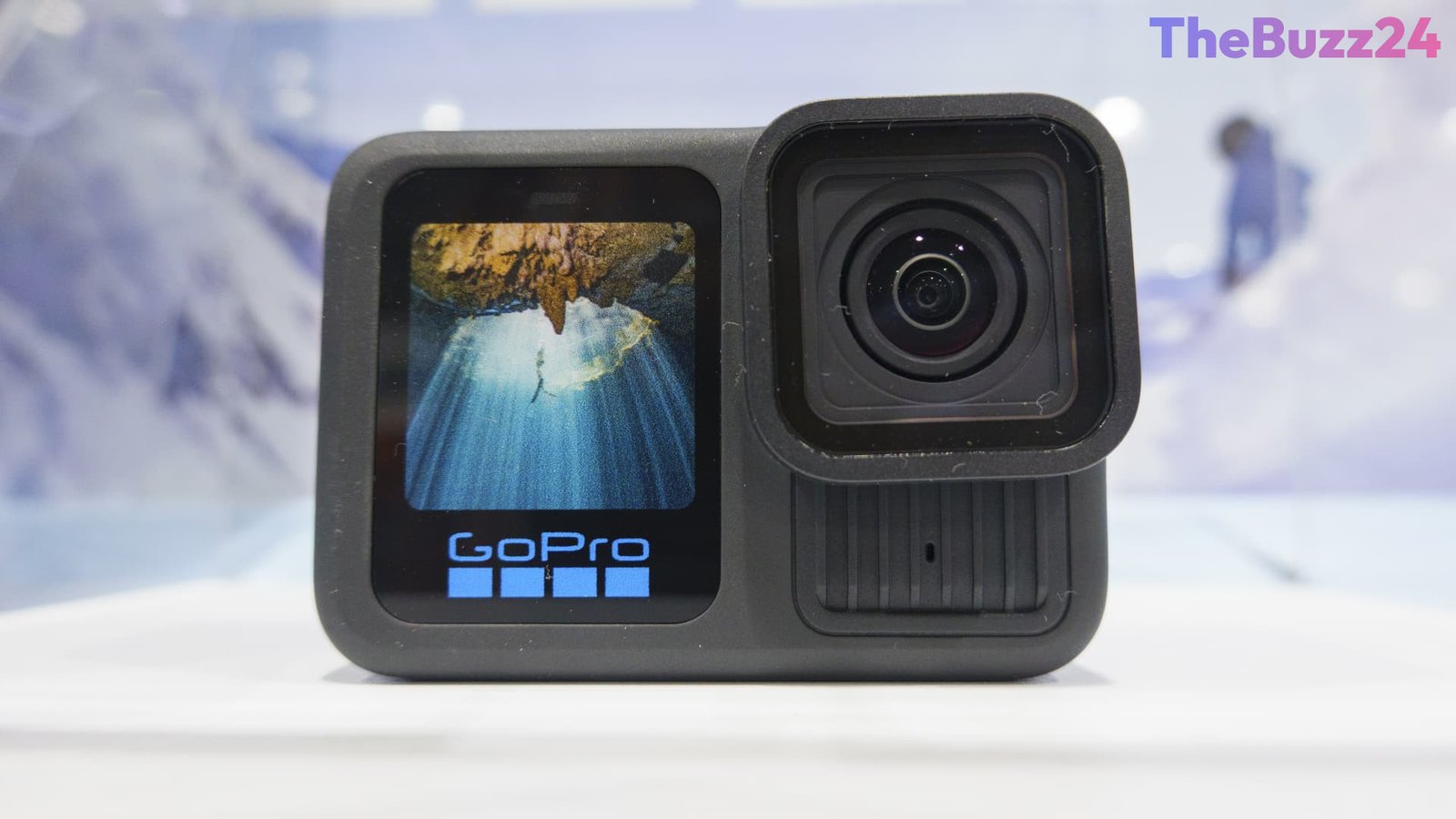
GoPro Pivots to AI Data Centers and Defense in Massive Merger With Starman Optical
Popular action camera manufacturer GoPro is making a dramatic shift toward the artificial intelligence sector by entering into a definitive merger agreement with Starman Optical, a private photonics firm. The strategic move will push the legacy hardware maker into the rapidly expanding AI data center and defense markets, marking a significant evolution for a company that has long focused strictly on consumer electronics.
Under the terms of the transaction, GoPro shareholders are slated to receive a substantial $285 million cash payout, translating to $1.14 per share, while the company maintains its listing on the Nasdaq exchange. Additionally, the deal includes the full repayment of GoPro’s $92 million debt upon closing. Leadership emphasizes that despite this aggressive diversification into advanced optical and national security infrastructure, the enterprise will maintain continuous support for its core consumer devices and digital cloud subscription ecosystem.
The announcement has already generated substantial market momentum and caught the attention of high-profile investors. Notable stakeholders reaping the benefits of the recent shift include prominent YouTube personality Markiplier, who recently secured an 8.5% equity stake, alongside institutional backing from BlackRock. This corporate pivot mirrors a broader trend among legacy consumer brands seeking refuge and revitalization within the booming artificial intelligence and hardware infrastructure landscape.
Key Takeaways
- GoPro has announced a definitive merger with private photonics company Starman Optical to enter the AI data center and defense sectors.
- The deal provides shareholders with a $285 million cash payment ($1.14 per share) and covers the complete repayment of the company's $92 million debt.
- High-profile figures, including YouTuber Markiplier who holds an 8.5% stake, stand to benefit significantly from the company's massive market rally and strategic pivot.
Editor’s Analysis & Impact
GoPro’s unexpected pivot into AI data centers and defense optics highlights a desperate yet fascinating survival strategy for legacy hardware brands facing prolonged market stagnation. For years, the action camera pioneer struggled to maintain investor enthusiasm following its 2014 public debut. By aligning itself with Starman Optical and tapping into the lucrative artificial intelligence infrastructure boom, GoPro is attempting a high-stakes reinvention. This trend of consumer brands shifting toward heavy tech and hardware infrastructure—echoed by similar pivots in the retail sector—demonstrates how the gravitational pull of the AI economy is reshaping traditional corporate identities. While short-term market reactions and investor enthusiasm, such as high-profile stakes held by digital creators and institutional firms, have sent shares soaring, the long-term success will hinge on execution, technological integration, and whether the company can successfully carve out a viable niche in the intensely competitive national security and AI compute landscapes.
Frequently Asked Questions
Q: What company is GoPro merging with?
A: GoPro is merging with Starman Optical, a private photonics company, to expand into the AI data center and defense markets.
Q: What are the financial terms of the GoPro and Starman Optical merger?
A: As part of the deal, shareholders will receive a $285 million cash payment, or $1.14 per share, and GoPro's $92 million debt will be completely repaid at the closing of the transaction.
Q: Will GoPro continue making its traditional action cameras?
A: Yes, leadership confirmed that the company will continue to fully support its existing consumer product lineup along with its subscription and cloud platforms.
AI Disclosure: This article is based on verified data and official reports. Our Team and AI have cross-referenced every financial detail with primary sources to ensure total accuracy.
More from this Category