House Passes Stopgap Funding Bill to Avert Government Shutdown
The U.S. House of Representatives has successfully passed a stopgap spending measure, securing federal funding through December 11 and effectively preventing a government shutdown that would have otherwise occurred at the end of the fiscal year on September 30. The legislation, which passed with a decisive 370-48 vote, now moves to the White House for President Donald Trump’s signature.
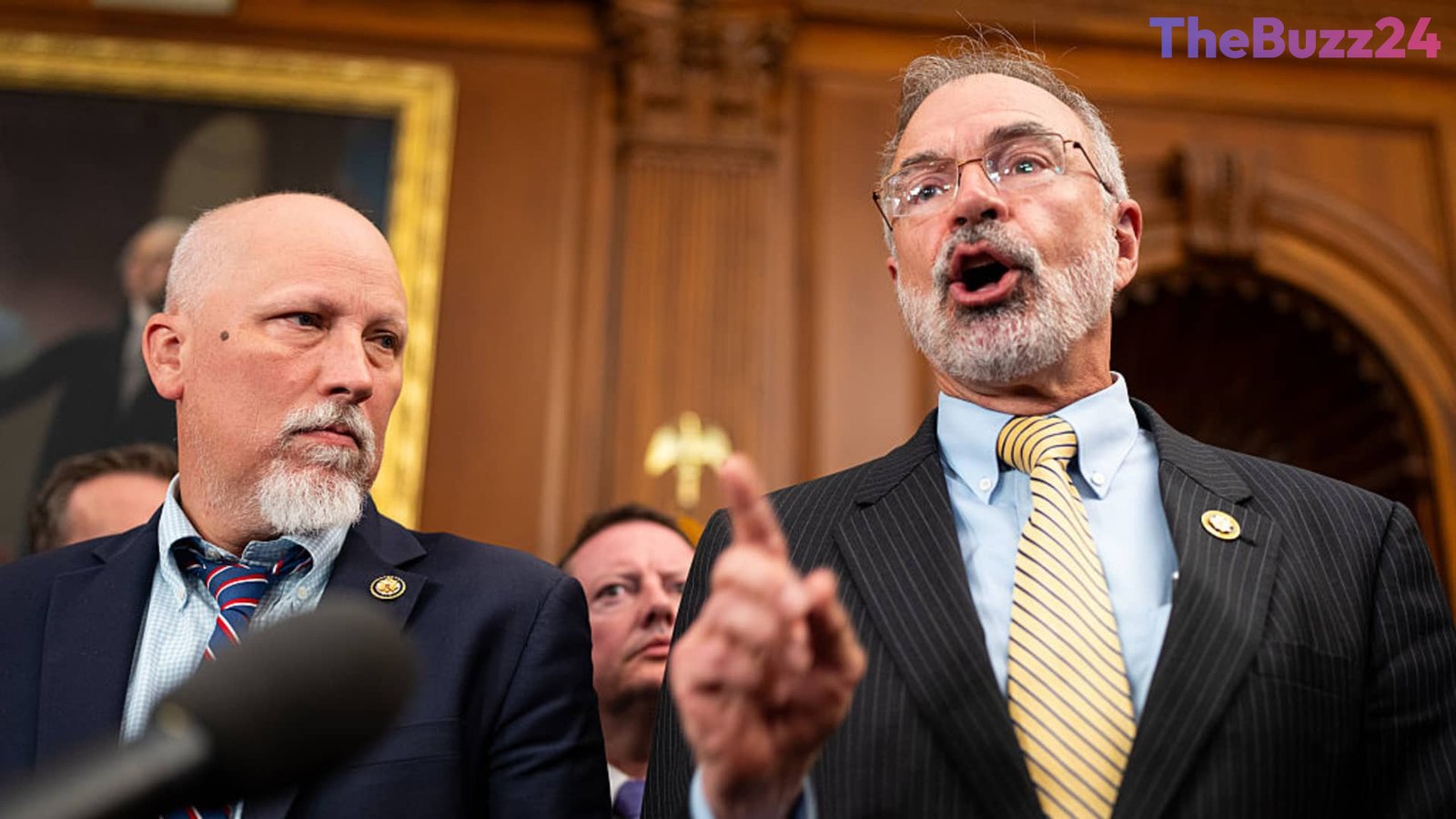
To bypass standard procedural hurdles, House leadership utilized a ‘suspension of the rules’ process, which necessitated a two-thirds majority. This approach relied on broad bipartisan support, as the measure faced vocal opposition from a faction of GOP hard-liners within the House Freedom Caucus. Despite threats from members like Representative Chip Roy and Representative Andy Harris to obstruct the legislative agenda, the bill garnered enough support from both sides of the aisle to move forward.
Critics within the Republican party expressed frustration over the extension of current funding levels, citing concerns regarding specific policy allocations, including funding for Planned Parenthood and the regulation of hemp-derived THC products. However, House Speaker Mike Johnson emphasized the necessity of the bill, noting that it ensures military personnel continue to receive their paychecks without interruption.
With the immediate threat of a shutdown removed, lawmakers are now expected to focus their attention on the upcoming midterm elections. Both parties are eager to return to their respective districts to campaign, as the political landscape remains highly competitive with control of both the House and Senate hanging in the balance.
Key Takeaways
- The House passed a stopgap funding bill to keep the government operational through December 11, avoiding a shutdown on September 30.
- The measure passed with strong bipartisan support, overcoming objections from GOP hard-liners who opposed the extension of current spending levels.
- The bill now awaits President Donald Trump's signature, allowing lawmakers to shift their focus toward the upcoming midterm election campaigns.
Editor’s Analysis & Impact
The passage of this stopgap measure highlights the ongoing tension between legislative pragmatism and ideological purity within the Republican caucus. By relying on Democratic votes to pass the funding bill, Speaker Mike Johnson has demonstrated a willingness to prioritize institutional stability over party unity, a move that likely prevents a politically damaging shutdown ahead of the midterms. However, this reliance on bipartisan cooperation underscores the fragility of the current House majority. Looking ahead, the December 11 deadline sets the stage for a high-stakes lame-duck session. The broader implication is that fiscal policy will remain a primary battleground, with both parties using budget negotiations as leverage for their respective agendas. The ability to maintain government operations while navigating internal party dissent will be a critical test for leadership as the political climate intensifies leading into the next election cycle.
Frequently Asked Questions
Q: What happens if the government does not pass a funding bill?
A: If a funding bill is not passed by the end of the fiscal year, the government enters a shutdown, which results in the suspension of non-essential federal services and the furloughing of many federal employees.
Q: Why was the 'suspension of the rules' process used?
A: This process is used to expedite the passage of non-controversial or consensus-based legislation by bypassing standard committee procedures, though it requires a two-thirds majority vote to succeed.
AI Disclosure: This article is based on verified data and official reports. Our Team and AI have cross-referenced every financial detail with primary sources to ensure total accuracy.
More from this Category