Beijing Summit Establishes Diplomatic Guardrails to Ease U.S.-China Tensions
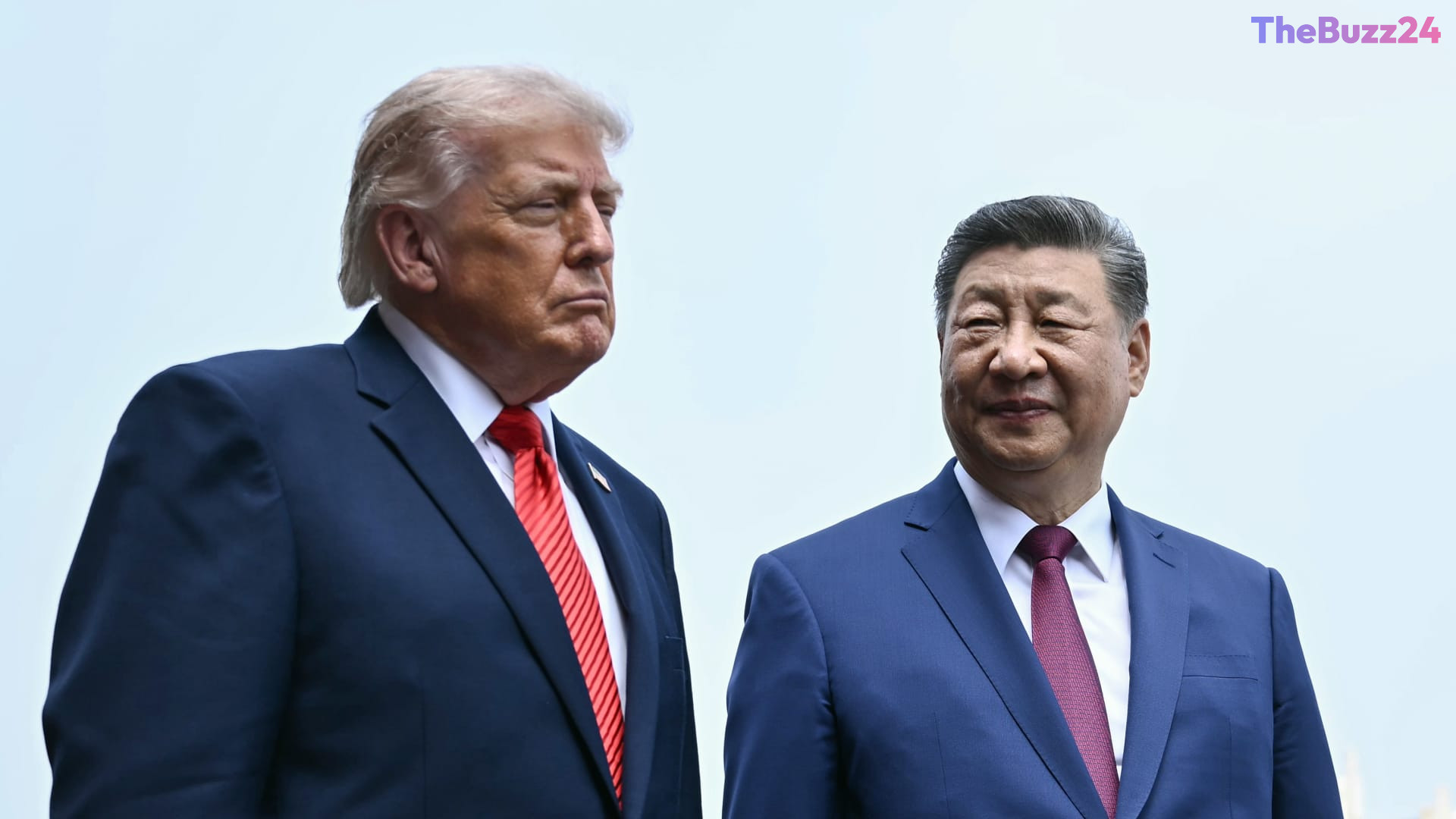
A landmark two-day summit in Beijing has concluded with the United States and China establishing a new framework of diplomatic guardrails designed to de-escalate geopolitical and economic friction. Representing the most significant bilateral dialogue between the two superpowers in nearly a decade, the high-stakes meeting focused on mitigating systemic rivalries. Both nations formally committed to maintaining open communication channels to actively prevent competitive tensions from deteriorating into direct military or political conflict, referencing the historical risks of the ‘Thucydides Trap.’
Highlighting the deep economic ties that persist despite political rhetoric, a prominent delegation of American corporate executives played a central role in the discussions. Industry giants including Apple’s Tim Cook, Tesla’s Elon Musk, and Nvidia’s Jensen Huang attended the summit, underscoring the private sector’s role as a stabilizing force. Their presence signaled that technological cooperation and commercial integration remain vital pillars of the bilateral relationship, even amidst ongoing debates over national security and trade policies.
The summit yielded several concrete agreements, including a joint commitment to guarantee safe and open maritime transit through the critical Strait of Hormuz. Additionally, Beijing pledged to boost its purchases of American agricultural and energy exports. While highly sensitive regional matters were addressed, observers noted the tone remained remarkably constructive. The event concluded with an invitation for Chinese officials to attend follow-up talks in the United States, setting the stage for ongoing negotiations regarding export controls and trade tariffs.
Key Takeaways
- The United States and China established formal diplomatic guardrails to prevent systemic competition from escalating into open conflict.
- Top American tech executives, including Elon Musk, Tim Cook, and Jensen Huang, attended to emphasize the importance of maintaining bilateral commercial and technological ties.
- Key agreements were reached regarding maritime security in the Strait of Hormuz and an increase in Chinese imports of U.S. energy and agricultural products.
Editor’s Analysis & Impact
The Beijing summit represents a pragmatic pivot away from aggressive economic decoupling toward a strategy of managed, competitive coexistence. By actively addressing the ‘Thucydides Trap,’ both Washington and Beijing are attempting to build institutional safety valves to prevent geopolitical friction from sparking a broader crisis. The prominent involvement of major tech CEOs highlights that the global business community remains a powerful advocate for stability, as supply chain disruptions and market fragmentation pose severe risks to multinational corporations. However, this summit should be viewed as a tactical pause rather than a permanent resolution. The fundamental structural rivalries—particularly concerning semiconductor supply chains, artificial intelligence dominance, and regional security—remain unresolved. Investors should expect a temporary stabilization of markets, but long-term strategic competition will continue to dictate the trajectory of U.S.-China relations.
Frequently Asked Questions
Q: What was the primary objective of the recent U.S.-China summit in Beijing?
A: The summit aimed to establish diplomatic guardrails to stabilize relations between the two global superpowers, focusing on managing trade disputes, ensuring regional security, and preventing systemic rivalry from turning into open conflict.
Q: Why did prominent American tech CEOs attend the diplomatic summit?
A: Leaders like Tim Cook, Elon Musk, and Jensen Huang participated to advocate for continued commercial cooperation and to emphasize that the private sector remains a crucial bridge for maintaining economic and technological ties between the two nations.
Q: What concrete agreements resulted from the bilateral talks?
A: The two nations agreed to cooperate on securing open transit through the Strait of Hormuz and China committed to purchasing more American agricultural and energy exports, while also planning follow-up talks in the United States.
AI Disclosure: This article is based on verified data and official reports. Our Team and AI have cross-referenced every financial detail with primary sources to ensure total accuracy.
More from this Category