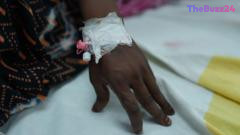
Horrific Gang Rape in Bihar Exposes Systemic Failures and Renews Calls for Justice in India
A brutal gang rape in India’s northern state of Bihar has reignited national outrage and drawn stark comparisons to the infamous 2012 Delhi assault. The incident, which occurred on June 11 in a village in Begusarai, involved a 28-year-old mother of four, identified by the pseudonym Soma, who was attacked in her home by a group of men. The assailants allegedly inserted objects into her body, inflicting severe trauma.
Initial reports surrounding the case have highlighted significant systemic failures, particularly concerning the response from police and medical authorities. Soma’s husband initially reported being turned away by a local police station when attempting to file a complaint, and she struggled to receive adequate medical attention in the immediate aftermath. She was reportedly discharged prematurely from a hospital despite suffering intense pain and the presence of foreign objects within her body. The head of the police station involved has since been suspended for negligence and insensitivity.
Days after the assault, the full extent of the brutality became clear when a bullet casing and other objects were discovered and removed from Soma’s body. Begusarai Superintendent of Police Maneesh confirmed that Soma’s medical report verified sexual assault and stated that two of the five accused individuals have been arrested. A Special Investigation Team (SIT) has been formed and is actively conducting raids to apprehend the remaining suspects, some of whom reportedly have prior criminal histories.
This horrific case has provoked widespread condemnation across India, underscoring the persistent challenges faced by survivors of sexual assault, especially in rural and economically disadvantaged regions. Despite the implementation of tougher anti-rape laws following the 2012 Delhi gang rape, campaigners argue that societal desensitization and a perceived lack of fear regarding capital punishment contribute to the high number of unreported cases. Soma remains hospitalized, enduring physical and emotional distress, while her ordeal serves as a poignant reminder of the urgent need for comprehensive reforms in India’s justice and healthcare systems.
Key Takeaways
- A brutal gang rape in Begusarai, Bihar, involving the insertion of objects, has drawn comparisons to the 2012 Delhi gang rape, reigniting national outrage.
- The survivor, Soma (pseudonym), faced significant negligence from both police and medical authorities in the immediate aftermath of the assault, highlighting systemic failures.
- Despite stricter anti-rape laws enacted after 2012, the incident underscores persistent challenges in addressing sexual violence in India, including societal apathy and inadequate enforcement.
Editor’s Analysis & Impact
The Begusarai gang rape case is a stark reminder of the deep-seated issues surrounding gender-based violence and institutional apathy in India. While not directly impacting traditional markets, the incident significantly erodes public trust in law enforcement and healthcare systems, which are crucial for societal stability and economic development. The future outlook suggests increased pressure on the government for judicial reform, police accountability, and improved, sensitive healthcare for survivors. Broader implications include potential for renewed protests and activism, demanding a more holistic approach to women’s safety that extends beyond legislation to encompass community awareness, swift justice, and robust support mechanisms. This case underscores the urgent need for systemic change to ensure justice and safety for women across the nation.
Frequently Asked Questions
Q: What happened in the Begusarai gang rape case?
A: A 28-year-old mother of four, identified as Soma (pseudonym), was brutally gang-raped in her home in Begusarai, Bihar, on June 11, with attackers allegedly inserting objects into her body.
Q: How did authorities initially respond to the incident?
A: Initial reports indicate significant negligence from both police and medical authorities. Soma's husband was reportedly turned away by police, and she struggled to receive proper medical attention, being discharged prematurely despite severe pain.
Q: Why is this case being compared to the 2012 Delhi gang rape?
A: The case is being compared to the 2012 Delhi gang rape due to the extreme brutality of the assault, including the use of objects, and the subsequent national outrage and calls for systemic change in India's approach to sexual violence.
AI Disclosure: This article is based on verified data and official reports. Our Team and AI have cross-referenced every financial detail with primary sources to ensure total accuracy.
More from this Category