Congressional Inquiry Targets Prediction Markets Amid Insider Trading Concerns
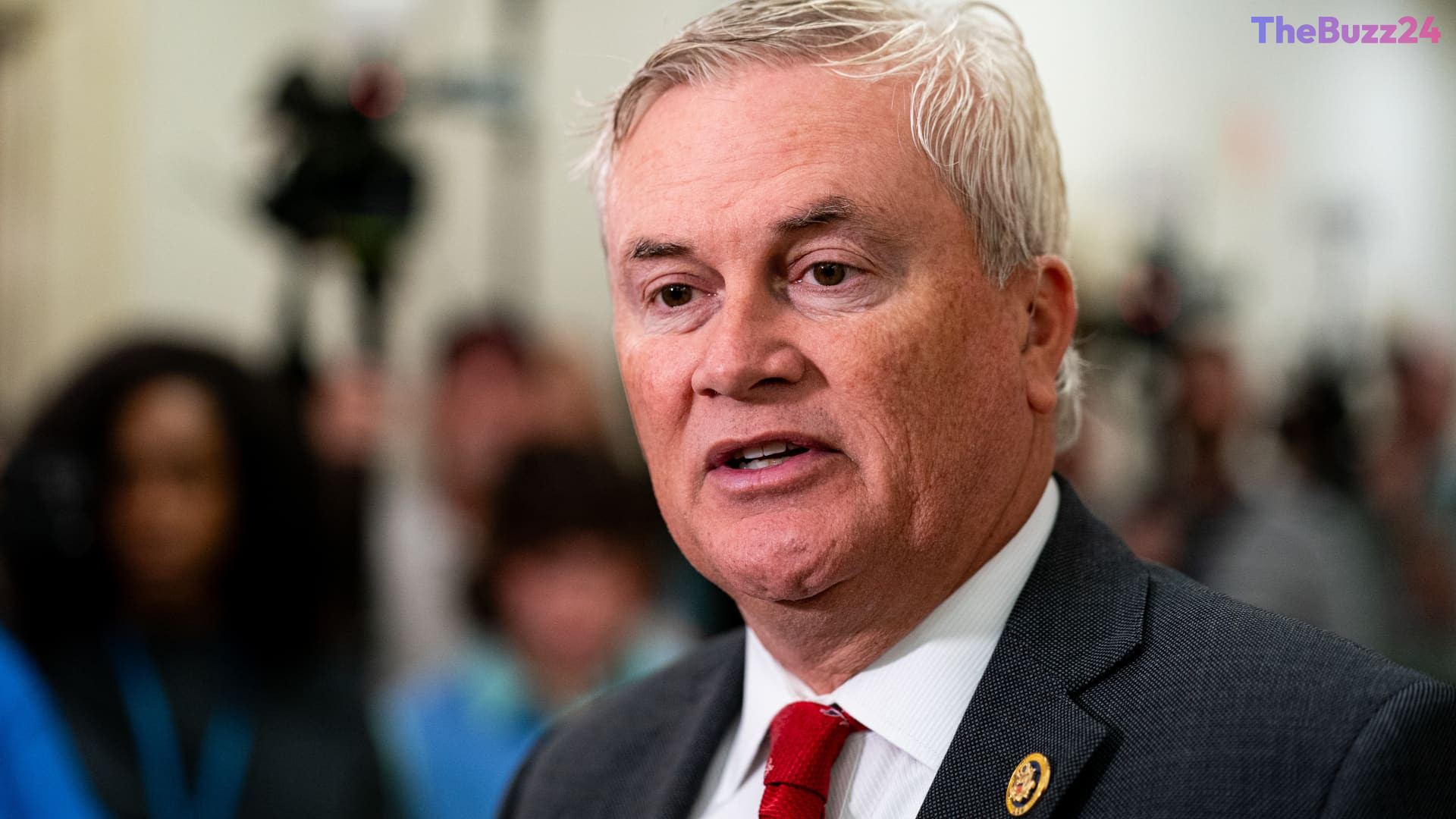
A high-level congressional committee has launched a formal investigation into the operations of major prediction market platforms, specifically Kalshi and Polymarket. The probe, spearheaded by Committee Chair James Comer, is focused on determining whether these platforms possess adequate safeguards to prevent insider trading, particularly concerning wagers tied to U.S. military operations, government policy, and political elections.
Lawmakers have expressed significant apprehension that individuals with access to sensitive, non-public information—including government employees and elected officials—could leverage their positions for financial gain. The investigation is tasked with evaluating whether current identity verification protocols and geographic restrictions are sufficient to stop those with national security clearances from manipulating market outcomes. The committee is specifically reviewing trading activity surrounding recent geopolitical events, including shifts in Venezuela and military actions in Iran.
Formal demands for internal compliance documentation have been issued to Polymarket CEO Shayne Coplan and Kalshi CEO Tarek Mansour. While Kalshi maintains that its status as a U.S.-regulated exchange ensures robust oversight, the committee remains skeptical regarding how these platforms manage global user bases and protect the integrity of contracts linked to sensitive government data. The companies have been given until June 5 to provide the requested information.
This legislative scrutiny follows a string of controversies involving political candidates betting on their own campaigns and allegations of individuals profiting from privileged information. The findings from this inquiry will likely serve as the foundation for potential federal legislation aimed at banning government personnel from participating in speculative prediction markets, marking a pivotal moment for the industry’s regulatory future.
Key Takeaways
- A congressional committee is investigating Kalshi and Polymarket to assess the risk of insider trading involving sensitive government information.
- The probe focuses on whether current identity verification and compliance measures are strong enough to prevent government officials from exploiting non-public data.
- The investigation could result in new federal laws restricting government employees from participating in speculative prediction markets.
Editor’s Analysis & Impact
The congressional inquiry into prediction markets like Kalshi and Polymarket marks a critical turning point for the intersection of speculative finance and public policy. As these platforms gain mainstream traction, the potential for insider trading involving national security and political outcomes poses a direct threat to market integrity. If the committee identifies systemic weaknesses, it will likely catalyze a wave of stringent federal regulations, forcing these platforms to overhaul their compliance and identity verification standards. For the industry, this represents a high-stakes test; failure to prove operational transparency could lead to restrictive legislation that stifles growth. Conversely, proactive cooperation may pave the way for a more stable, albeit heavily regulated, environment. Ultimately, this probe highlights the growing tension between financial innovation and the ethical boundaries of public service.
Frequently Asked Questions
Q: What are prediction market platforms?
A: Prediction market platforms are online exchanges where users buy and sell shares based on the outcome of future events, such as election results or geopolitical developments. The share price typically reflects the market's consensus on the probability of that event occurring.
Q: Why is Congress investigating these specific platforms?
A: The investigation is driven by fears that government officials or employees with access to classified or sensitive information could use that knowledge to place profitable bets, effectively engaging in insider trading.
Q: What is the potential impact of this investigation?
A: The probe could lead to new federal laws that prohibit government personnel from participating in prediction markets and may force platforms to implement much stricter user verification and oversight mechanisms.
AI Disclosure: This article is based on verified data and official reports. Our Team and AI have cross-referenced every financial detail with primary sources to ensure total accuracy.
More from this Category