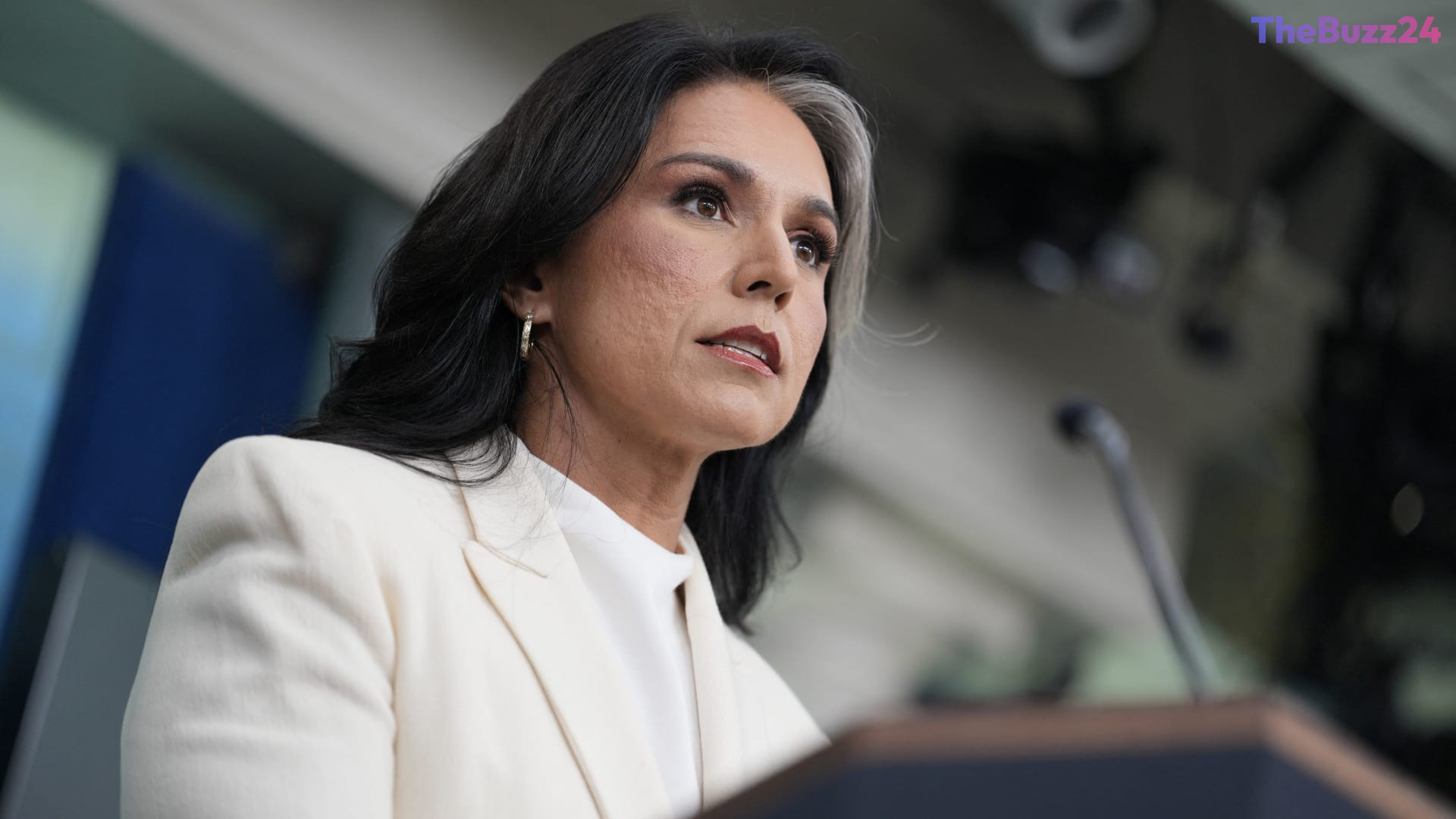
Tulsi Gabbard Steps Down as Intelligence Chief Amid Family Health Crisis
Tulsi Gabbard has officially announced her resignation from her post as the Director of National Intelligence, citing a critical family health emergency. Her tenure is set to conclude on June 30, marking a sudden leadership transition within the upper echelons of the federal government. Gabbard confirmed that she is stepping away from her national security duties to focus entirely on supporting her husband, Abraham Williams, following his diagnosis with a rare form of bone cancer.
In her formal correspondence to President Donald Trump, Gabbard emphasized that the intense, around-the-clock requirements of overseeing the nation’s intelligence infrastructure are incompatible with the immediate care her family requires at this time. President Trump has accepted the resignation, acknowledging her service during her time in the role. The transition is expected to be managed through existing protocols to ensure that the 18 agencies within the intelligence community continue to function without disruption.
To ensure operational continuity, Aaron Lukas, who currently serves as the Principal Deputy Director of National Intelligence, has been appointed to lead the organization in an acting capacity. Gabbard’s time as director was marked by her efforts to bring a distinct, anti-interventionist perspective to the oversight of national security operations. Her departure leaves a significant vacancy that the administration must now address, as they seek a successor capable of navigating complex geopolitical challenges and managing the sensitive intelligence apparatus of the United States.
Key Takeaways
- Tulsi Gabbard will vacate her position as Director of National Intelligence on June 30 to care for her husband, who is battling a rare form of bone cancer.
- Aaron Lukas, the current Principal Deputy Director, will assume leadership of the intelligence community on an acting basis.
- The administration faces the immediate task of identifying a permanent successor to manage the nation's intelligence operations.
Editor’s Analysis & Impact
The resignation of Tulsi Gabbard creates a notable leadership vacuum within the U.S. intelligence community, a sector where continuity is essential for maintaining national security and international trust. While the appointment of Aaron Lukas as acting director provides a necessary bridge, the administration faces the pressure of finding a permanent replacement who can balance the complex demands of global intelligence gathering with the current administration’s specific foreign policy goals. This transition highlights the inherent fragility of high-level political appointments when confronted with personal crises. Moving forward, the selection of a new director will be closely scrutinized by both domestic and international observers, as the appointee’s background and policy alignment will serve as a key indicator of the administration’s long-term strategy regarding intelligence oversight and geopolitical engagement.
Frequently Asked Questions
Q: Who will lead the intelligence community following Tulsi Gabbard's departure?
A: Aaron Lukas, the current Principal Deputy Director of National Intelligence, will step in as the acting director.
Q: What is the primary reason for Tulsi Gabbard's resignation?
A: Gabbard is resigning to focus on her family after her husband, Abraham Williams, was diagnosed with a rare form of bone cancer.
AI Disclosure: This article is based on verified data and official reports. Our Team and AI have cross-referenced every financial detail with primary sources to ensure total accuracy.
More from this Category