Nuclear Batteries Could Accelerate Fusion Power Breakthroughs
The long-sought goal of fusion power, which promises abundant clean energy, faces a significant hurdle: efficiently converting the immense energy released by fusion reactions into usable electricity. While initiating fusion is achievable, even by students in their own homes, capturing that energy for power generation remains a complex challenge for the industry.
Fusion reactions occur when lighter atoms combine to form heavier ones, releasing vast amounts of energy. Traditional methods often involve heating water to drive steam turbines, a process that is not highly efficient, capturing at best around 60% of the available power. This inefficiency highlights the need for innovative energy conversion technologies.
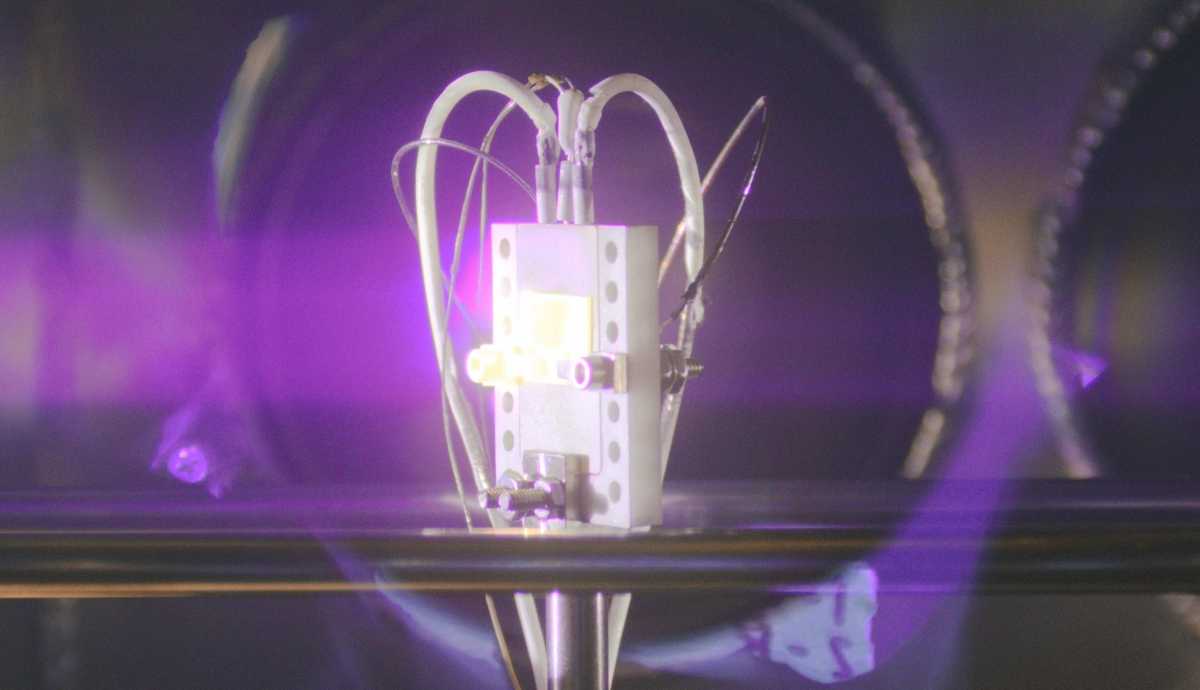
Avalanche Energy is exploring a novel approach using radiovoltaics, materials that convert radiation directly into electricity, akin to how solar panels convert light. Although radiovoltaics have existed for some time, their effectiveness has been limited by their susceptibility to radiation damage and low power output. Avalanche Energy aims to overcome these limitations with advanced materials.
In a significant development, Avalanche Energy has secured a $5.2 million contract from DARPA to advance the development of these next-generation radiovoltaics. The Pentagon’s research arm is particularly interested in these materials for a new class of nuclear batteries. These batteries leverage radioactive decay to generate electricity, offering potential applications for long-duration power in spacecraft, satellites, and demanding terrestrial military operations, especially for autonomous systems in remote or inaccessible locations.
Key Takeaways
- Capturing energy from fusion reactions for electricity generation is a major challenge in fusion power development.
- Avalanche Energy is developing advanced radiovoltaic materials to convert radiation into electricity more efficiently.
- A $5.2 million DARPA contract will support Avalanche Energy's work on radiovoltaics for nuclear batteries, potentially powering spacecraft and military applications.
Editor’s Analysis & Impact
The DARPA contract awarded to Avalanche Energy signifies a potential leap forward in energy conversion technology, with implications extending beyond fusion power. By focusing on advanced radiovoltaics, Avalanche is tackling the core challenge of efficiently harnessing energy from radiation. Success in this area could not only accelerate the timeline for practical fusion power but also revolutionize power sources for long-duration missions in space and critical military applications where traditional power logistics are prohibitive. This development underscores the growing investment in cutting-edge energy solutions driven by both commercial and defense interests, hinting at a future with more robust and versatile power generation capabilities.
Frequently Asked Questions
Q: What is the main challenge in achieving fusion power?
A: The primary challenge is not initiating the fusion reaction itself, but efficiently converting the immense energy released by the reaction into usable electricity.
Q: How do radiovoltaics work?
A: Radiovoltaics are semiconductor devices, similar to solar panels (photovoltaics), that convert radiation directly into electrical energy.
Q: What are the potential applications for Avalanche Energy's technology?
A: Beyond fusion power, the technology is being developed for nuclear batteries that could power spacecraft, satellites, and terrestrial military systems for extended periods, especially in remote or logistically challenging environments.
AI Disclosure: This article is based on verified data and official reports. Our Team and AI have cross-referenced every financial detail with primary sources to ensure total accuracy.
More from this Category