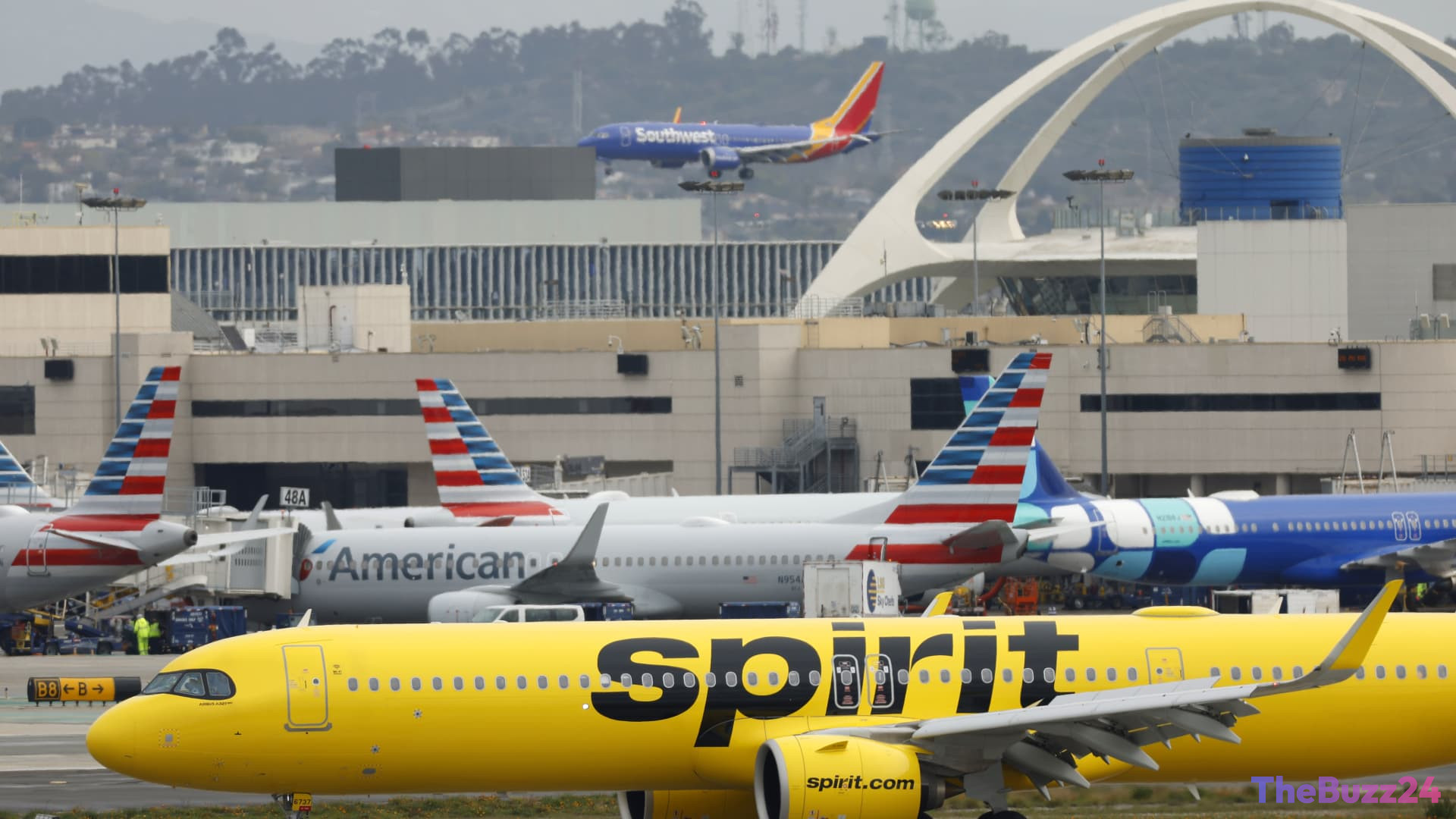
Aviation Industry Reshuffles as Spirit Airlines Shuts Down Operations
The sudden cessation of operations by Spirit Airlines has triggered a massive realignment within the U.S. aviation sector. As the budget carrier abruptly grounded its fleet, leaving thousands of travelers in limbo, major competitors have moved with unprecedented speed to secure the vacated airport gates and flight routes. Carriers such as JetBlue, United, and Southwest are currently implementing expanded schedules to absorb the sudden capacity gap, signaling an aggressive push to capture the market share left behind by the defunct airline.
While the immediate priority for the industry has been the logistical challenge of rebooking displaced passengers, the long-term economic implications are becoming a primary concern for travelers. The removal of Spirit Airlines eliminates a major source of low-cost, point-to-point travel, which analysts suggest could lead to a broader increase in domestic ticket prices. With one of the most prominent budget options gone, remaining airlines may gain significant pricing power, potentially resulting in higher fares for consumers across the board in the coming months.
Strategic expansion is already underway, with JetBlue bolstering its presence at the Fort Lauderdale-Hollywood International Airport and Breeze Airways moving into underserved markets like Atlantic City. Meanwhile, legacy carriers are attempting to build brand loyalty by offering fare caps and assistance to stranded Spirit customers. As the industry stabilizes, the focus is shifting toward the remaining budget airlines, which must now contend with the same volatile fuel costs and financial pressures that ultimately led to Spirit’s collapse.
Key Takeaways
- Major airlines are rapidly absorbing Spirit Airlines' former routes and airport gates to capture market share.
- The loss of a major low-cost carrier is expected to reduce competition, potentially leading to higher airfares for consumers.
- Legacy and smaller carriers are actively courting former Spirit customers through fare caps and expanded service offerings.
Editor’s Analysis & Impact
The collapse of Spirit Airlines marks a pivotal shift in the U.S. aviation market, signaling the end of an era defined by aggressive ultra-low-cost expansion. From a market perspective, this consolidation is likely to improve the unit revenues of surviving carriers by reducing the ‘Spirit effect’—the downward pressure on fares that the budget airline historically exerted. However, the broader implication is a less diverse and potentially more expensive landscape for the average traveler. Future industry health will depend on whether remaining budget carriers can achieve the operational efficiency necessary to survive in an environment of high fuel costs and labor expenses. Investors should monitor how legacy carriers manage the integration of these new routes, as the sudden expansion could introduce short-term operational friction while promising long-term revenue growth.
Frequently Asked Questions
Q: Why did Spirit Airlines cease operations?
A: Spirit Airlines faced intense financial pressure, including rising jet fuel costs and failed attempts to secure necessary financial lifelines, which ultimately made their business model unsustainable.
Q: Will airfares increase following the collapse of Spirit?
A: Industry analysts suggest that the removal of a major low-cost competitor reduces pricing pressure in the market, which is likely to lead to higher ticket prices for consumers in the near future.
AI Disclosure: This article is based on verified data and official reports. Our Team and AI have cross-referenced every financial detail with primary sources to ensure total accuracy.
More from this Category