Amazon Disrupts Logistics Sector by Opening Supply Chain Network to Third-Party Retailers
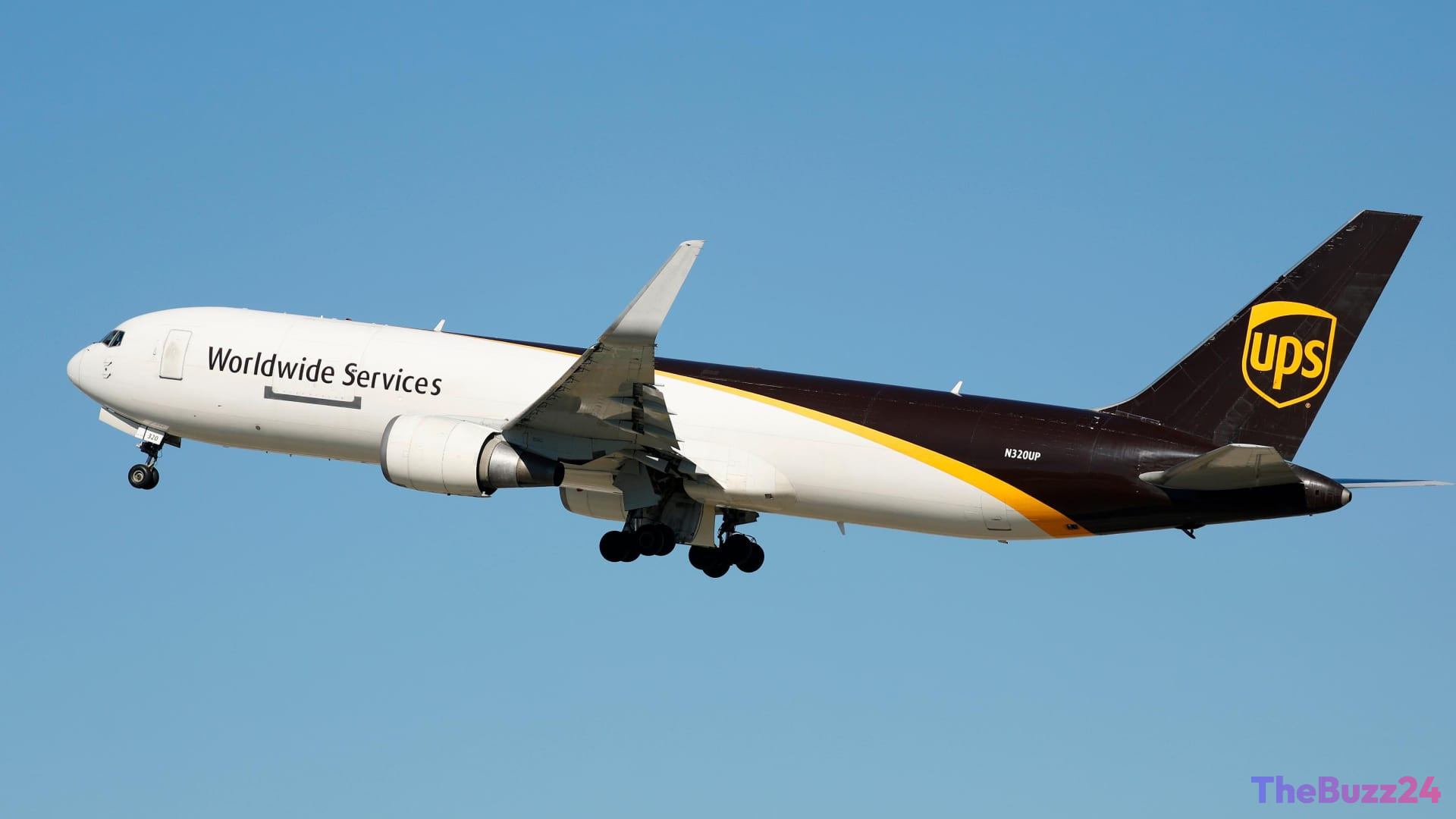
The logistics industry faced a major shakeup this week as Amazon announced a strategic expansion of its supply chain capabilities, allowing external businesses to utilize its massive fulfillment infrastructure. Following the news, shares of traditional shipping giants UPS and FedEx saw a sharp decline of approximately 10%, reflecting investor concerns over the e-commerce titan’s aggressive move into the broader shipping and delivery market.
Known as Amazon Supply Chain Services, the new initiative grants companies access to the retailer’s proprietary logistics network. This includes the utilization of its extensive warehouse facilities and a dedicated fleet of over 100 cargo aircraft. By offering these assets to outside firms, Amazon is effectively transforming its internal delivery operations into a comprehensive service-oriented business model that competes directly with established logistics providers.
The program has already gained significant traction, with major corporations such as Procter & Gamble, 3M, Lands’ End, and American Eagle Outfitters signing on to leverage the infrastructure. This shift marks a pivotal moment for Amazon, as it transitions from a retail-focused entity to a central hub for global supply chain management. Industry observers are now closely monitoring how this increased competition will reshape pricing and service standards across the logistics sector.
Key Takeaways
- Amazon is opening its proprietary logistics network, including warehouses and cargo planes, to third-party businesses.
- Major retailers like Procter & Gamble and 3M have already joined the new Amazon Supply Chain Services program.
- UPS and FedEx shares dropped by roughly 10% as investors reacted to the increased competition in the shipping industry.
Editor’s Analysis & Impact
Amazon’s decision to monetize its internal logistics infrastructure represents a fundamental shift in the competitive landscape of global shipping. By commoditizing its massive investment in warehouses and air freight, Amazon is not only diversifying its revenue streams but also creating a ‘moat’ that makes it difficult for traditional carriers to compete on price and speed. The immediate market reaction—a double-digit sell-off for UPS and FedEx—underscores the vulnerability of legacy shipping firms that have long relied on high-volume retail contracts. Looking ahead, this move forces traditional logistics providers to accelerate their own digital transformation and efficiency initiatives. If Amazon successfully scales this service, it could fundamentally alter the cost structure of global supply chains, potentially leading to a long-term margin squeeze for traditional shipping incumbents.
Frequently Asked Questions
Q: What is Amazon Supply Chain Services?
A: It is a new initiative that allows external businesses to use Amazon's proprietary logistics network, including its warehouses and cargo planes, to manage their own supply chain and shipping needs.
Q: Why did UPS and FedEx stocks drop?
A: Investors sold off shares in these companies due to concerns that Amazon's entry into the third-party logistics market will create intense competition and threaten the market share of traditional shipping giants.
AI Disclosure: This article is based on verified data and official reports. Our Team and AI have cross-referenced every financial detail with primary sources to ensure total accuracy.
More from this Category