Global Stability at Stake: Trump and Xi Convene in Beijing to Address Tech Rivalry and Middle East Tensions
As diplomatic efforts intensify in Beijing, the upcoming summit between U.S. President Donald Trump and Chinese President Xi Jinping stands as a defining moment for international relations. The meeting occurs at a time of heightened global uncertainty, with both superpowers navigating the complex fallout of Middle Eastern conflicts, shifting trade patterns, and an accelerating competition for technological leadership. The primary objective is to move past mere formalities and address the underlying volatility that has defined the bilateral relationship in recent years.
A significant portion of the discussions is expected to center on the ongoing crisis in Iran. China has increasingly positioned itself as a potential mediator in the region, a move driven by the necessity of stabilizing energy costs and protecting its export-dependent economy from supply chain disruptions. While the United States has traditionally viewed Beijing’s expanding regional influence with skepticism, there is a growing recognition that Chinese involvement could be vital in de-escalating tensions in the Middle East. President Trump has signaled a pragmatic approach, indicating a preference for regional stability.
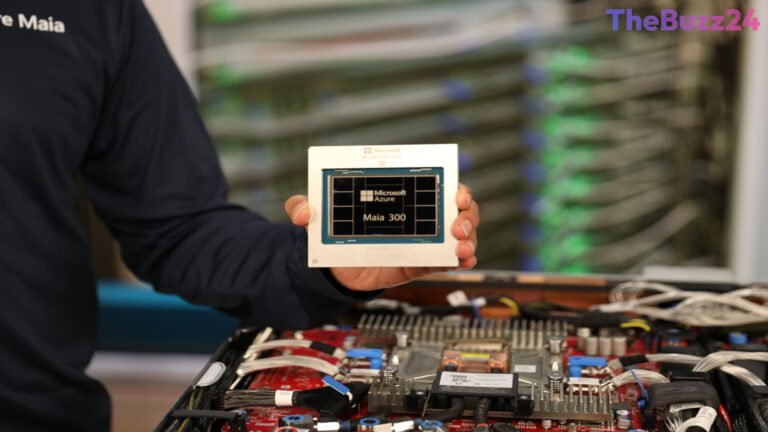
The summit will also confront deep-seated tensions regarding Taiwan and the global race for supremacy in artificial intelligence and semiconductor manufacturing. With the U.S. enforcing strict export controls on advanced microchips and China maintaining a dominant hold on critical rare earth minerals, the two nations are locked in a high-stakes technological standoff. There is speculation that a ‘chips-for-minerals’ arrangement could serve as a central pillar of the negotiations. The inclusion of prominent American corporate executives in the U.S. delegation highlights the intense pressure to establish a stable economic framework and avoid a full-scale trade war.
Ultimately, the success of this summit will be judged by the strategic direction it sets for the years ahead. While immediate, transformative policy shifts may be difficult to achieve during a single visit, the rapport established between Trump and Xi will likely dictate the tone of U.S.-China relations. The international community remains focused on whether these two giants can find a way to coexist within an increasingly fragmented global economy.
Key Takeaways
- The summit aims to stabilize U.S.-China relations amidst Middle East instability and global economic volatility.
- China is leveraging its regional influence in Iran to protect its energy security and export-driven economy.
- Negotiations may focus on a strategic exchange involving semiconductor technology and access to rare earth minerals.
Editor’s Analysis & Impact
The Beijing summit represents a critical attempt to institutionalize ‘managed competition’ between the world’s two largest economies. By shifting the focus from ideological confrontation to pragmatic, interest-based diplomacy, both Trump and Xi are attempting to mitigate the risks of a catastrophic trade war. The inclusion of corporate leaders suggests that the business community is pushing for a predictable regulatory environment, particularly regarding the semiconductor supply chain. However, the structural rivalry over Taiwan and AI supremacy remains a significant hurdle. If the two leaders can establish a ‘floor’ for their relationship—a set of rules that prevents accidental escalation—it could provide the global market with much-needed stability. Conversely, failure to reach a consensus on technology transfers could accelerate the decoupling of the two economies, leading to a more fragmented and expensive global trade system.
Frequently Asked Questions
Q: What is the significance of the 'chips-for-minerals' concept?
A: It refers to a potential diplomatic trade-off where the U.S. might relax semiconductor export restrictions in exchange for China ensuring a steady supply of the rare earth minerals essential for high-tech manufacturing.
Q: How does China's role in Iran impact the summit?
A: China's interest in mediating the Iran conflict is largely economic, aimed at preventing energy price spikes and supply chain interruptions that could harm its export-driven economy.
AI Disclosure: This article is based on verified data and official reports. Our Team and AI have cross-referenced every financial detail with primary sources to ensure total accuracy.
More from this Category