Escalating Violence in Southern Lebanon: Israeli Strikes Claim 13 Lives Amid Ceasefire Collapse
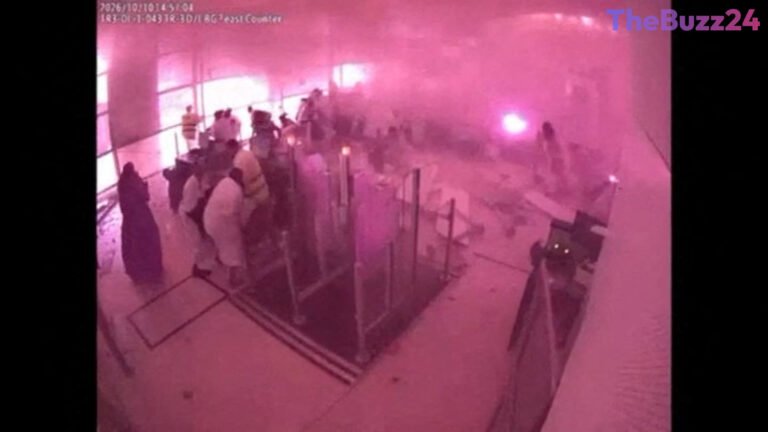
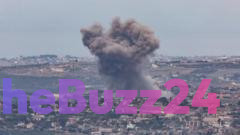
Intense Israeli air strikes have struck southern Lebanon, resulting in at least 13 fatalities and numerous injuries, despite ongoing efforts to maintain a ceasefire. The strikes have hit residential areas and transit routes, significantly escalating the humanitarian crisis in the region.
Among the casualties are two paramedics from the Lebanese Civil Defense, identified as Hussein Jaber and Ahmad Noura, who were killed while performing rescue operations in Nabatieh. The Lebanese health ministry has condemned the incident, alleging that medical personnel are being deliberately targeted, noting that over 100 healthcare workers have been killed since the conflict began.
In other locations, such as Kfar Dounine and Jabshit, strikes on homes and civilian infrastructure have left several dead and many more wounded. In the Tayr Debba area, a drone strike targeting a motorcycle resulted in the death of a Syrian man and left his wife injured. While the Israeli military maintains it is targeting Hezbollah infrastructure and responding to missile threats, the civilian toll continues to rise.
The cycle of violence persists as Hezbollah continues to launch drone and rocket attacks against Israeli positions, while Israel intensifies its aerial campaign. With high-level officials scheduled to meet in Washington this Thursday, the prospects for a sustainable peace remain uncertain as both sides continue to engage in active combat.
Key Takeaways
- At least 13 people were killed in recent Israeli strikes across southern Lebanon, including two emergency responders.
- The recent violence highlights the fragility of the current ceasefire, as both Israel and Hezbollah continue retaliatory operations.
- Diplomatic efforts are ongoing, with officials expected to convene in Washington to discuss potential paths toward ending the conflict.
Editor’s Analysis & Impact
The recent surge in strikes underscores the profound instability of the current ceasefire agreement. The targeting of medical personnel and civilian infrastructure not only exacerbates the humanitarian crisis but also complicates international efforts to mediate a lasting peace. As the conflict shifts from localized skirmishes to more intensive aerial campaigns, the risk of a broader regional escalation grows. The upcoming diplomatic meetings in Washington will be a critical litmus test for whether international pressure can force a de-escalation. For the broader Middle East, the persistence of this conflict threatens regional stability, economic corridors, and the efficacy of international humanitarian law. The focus now shifts to whether diplomatic channels can outpace the momentum of military operations on the ground.
Frequently Asked Questions
Q: What is the current status of the ceasefire between Israel and Hezbollah?
A: While a ceasefire was previously agreed upon, recent strikes and retaliatory attacks indicate that the agreement is failing to prevent significant combat operations.
Q: Who are the key parties involved in the upcoming diplomatic talks?
A: Israeli and Lebanese officials are expected to meet in Washington to discuss ways to end the ongoing hostilities.
AI Disclosure: This article is based on verified data and official reports. Our Team and AI have cross-referenced every financial detail with primary sources to ensure total accuracy.
More from this Category