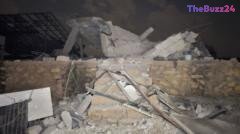
Humanitarian Truce Takes Effect in Besieged Oleshky as Residents Face Starvation
A critical ceasefire has commenced in the Russian-occupied Ukrainian city of Oleshky, marking a rare moment of respite for a population that has been pushed to the brink of survival. The truce, which was facilitated following diplomatic efforts involving the White House, aims to establish a humanitarian corridor to allow for the delivery of essential supplies and the evacuation of trapped civilians. Both Ukrainian officials and the Russian defense ministry have confirmed that the cessation of hostilities is currently being observed.
Oleshky, which sits strategically between the Dnipro River and Russian-controlled territory, has been effectively cut off from basic infrastructure for three years. With no access to electricity, running water, or gas, the city’s remaining 6,000 residents—including approximately 200 children—have faced dire conditions. Reports from the ground indicate that food supplies have been completely exhausted, forcing many residents to consume garden weeds to stave off starvation. Previous attempts to deliver aid have failed due to the extreme danger posed by mined roads and active combat zones.
While the ceasefire offers a glimmer of hope, the evacuation process remains fraught with anxiety. Residents have expressed deep concerns regarding the potential for security screenings by Russian forces, fearing that their digital devices or personal histories could lead to detention or interrogation. Despite these fears, the humanitarian operation represents the first significant opportunity for many to escape the city’s isolation. The initiative, supported by international diplomatic intervention, seeks to provide immediate assistance to those who have endured years of deprivation in the conflict zone.
Key Takeaways
- A humanitarian ceasefire has begun in Oleshky to facilitate aid delivery and civilian evacuations.
- The city has been without electricity, water, or gas for three years, leading to severe food shortages.
- Approximately 6,000 residents remain in the city, many of whom fear potential detention or interrogation during the evacuation process.
Editor’s Analysis & Impact
The situation in Oleshky serves as a stark microcosm of the broader humanitarian crisis within the Russia-Ukraine conflict. The successful negotiation of a localized ceasefire, even if temporary, highlights the critical role of high-level diplomatic intervention in addressing the immediate needs of non-combatants trapped in occupied territories. From a geopolitical perspective, this development underscores the extreme vulnerability of civilian populations in ‘gray zones’ where infrastructure has been completely dismantled. The long-term implications remain uncertain; while this truce provides a necessary window for life-saving aid, the deep-seated mistrust between the warring parties suggests that sustainable humanitarian access will continue to be a volatile and complex challenge. Future stability in such regions will likely depend on the ability of international mediators to maintain pressure on both sides to prioritize civilian safety over tactical military positioning.
Frequently Asked Questions
Q: Why is the situation in Oleshky considered so dire?
A: Oleshky has been without electricity, gas, and water for three years, and the lack of food supplies has forced residents to resort to eating weeds to survive.
Q: What is the primary goal of the current ceasefire?
A: The ceasefire is intended to create a safe window for humanitarian aid deliveries and to allow for the evacuation of civilians who wish to leave the city.
AI Disclosure: This article is based on verified data and official reports. Our Team and AI have cross-referenced every financial detail with primary sources to ensure total accuracy.
More from this Category