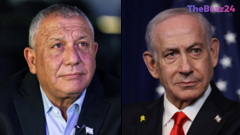
Ex-FBI Director James Comey Faces Third Federal Prosecution Attempt
Federal prosecutors are reportedly pursuing criminal charges against former FBI Director James Comey, alleging he leaked national defense information. This marks the third instance where the Department of Justice has moved to prosecute Comey, a prominent critic of former President Donald Trump.
The current legal action, detailed in a three-page court filing, centers on allegations of disclosing classified information to The New York Times in October 2016, during his tenure as FBI Director. Comey’s legal team has asserted that two prior prosecutorial teams investigated the same alleged disclosure a decade ago and determined that no charges should be filed. They have filed a motion to dismiss the current charges, arguing that Mr. Comey is innocent and that the prosecution is politically motivated.
Comey himself has vehemently denied any wrongdoing, describing the charges as an “appalling abuse” of the justice system in a video statement. He expressed his continued belief in his innocence and the integrity of the federal judiciary. Legal experts suggest the case may face challenges due to the statute of limitations, potentially increasing the likelihood of the dismissal motion being granted. Some observers have characterized these charges as a retaliatory effort by former President Trump, who had previously called for Comey’s prosecution.
This development follows two previous indictments against Comey. In September 2025, he was charged with lying to Congress and obstructing a congressional proceeding. In April 2026, he faced charges related to a social media post that prosecutors interpreted as a threat against Trump. Comey has denied these allegations, maintaining his innocence and citing political motivations behind the prosecutions. Coincidentally, the latest charges against Comey were announced on the same day a federal judge ruled that the Trump administration had unlawfully terminated his daughter, Maurene Comey, from her position as a federal prosecutor.
Key Takeaways
- Former FBI Director James Comey is facing a third attempt by federal prosecutors to bring criminal charges against him.
- The latest charges involve allegations of leaking national defense information to The New York Times in 2016.
- Comey denies all wrongdoing, and his legal team is seeking dismissal, citing previous investigations that found no grounds for charges and potential statute of limitations issues.
Editor’s Analysis & Impact
The repeated attempts to prosecute James Comey highlight a contentious relationship between the former FBI Director and former President Donald Trump, potentially raising concerns about the politicization of the justice system. The legal challenges, including potential statute of limitations issues and previous prosecutorial decisions not to charge, suggest these cases may face significant hurdles. The outcome could have broader implications for public trust in law enforcement and the judiciary, particularly regarding the perception of politically motivated prosecutions. The simultaneous ruling regarding Comey’s daughter adds another layer of complexity to the ongoing legal battles.
Frequently Asked Questions
Q: What are the current charges against James Comey?
A: Federal prosecutors are reportedly pursuing charges against James Comey for allegedly leaking national defense information to The New York Times in October 2016.
Q: Why is this the third time prosecutors have moved to charge Comey?
A: This is the third attempt by the Department of Justice to bring criminal charges against Comey. Previous indictments involved allegations of lying to Congress and obstructing proceedings, and a social media post interpreted as a threat.
Q: What is Comey's response to the charges?
A: James Comey denies all allegations of wrongdoing, calling the charges an 'appalling abuse' of the justice system and suggesting political motivation behind the prosecutions.
AI Disclosure: This article is based on verified data and official reports. Our Team and AI have cross-referenced every financial detail with primary sources to ensure total accuracy.
More from this Category